- **Muscle loss** begins within 24 hours and accelerates rapidly. Critically ill patients can lose up to 20% of their muscle mass in the first week of ICU admission.
- **Bone density drops** without weight-bearing, increasing fracture risk.
- **Cardiovascular deconditioning** means the heart works harder to do less, and blood pressure becomes unstable when the person finally sits up.
- **Respiratory function declines** as the lungs compress in a supine position, increasing the risk of pneumonia.
- **Skin breaks down** at pressure points, potentially causing wounds that take months to heal.
- **Cognitive function suffers** — ICU delirium is strongly associated with immobility and affects up to 80% of mechanically ventilated patients.
Movilidad
Adult Rehabilitation and Early Mobility: Getting Moving Sooner Saves Lives
When a serious illness, injury, or surgery puts an adult in the hospital, the natural instinct is rest.
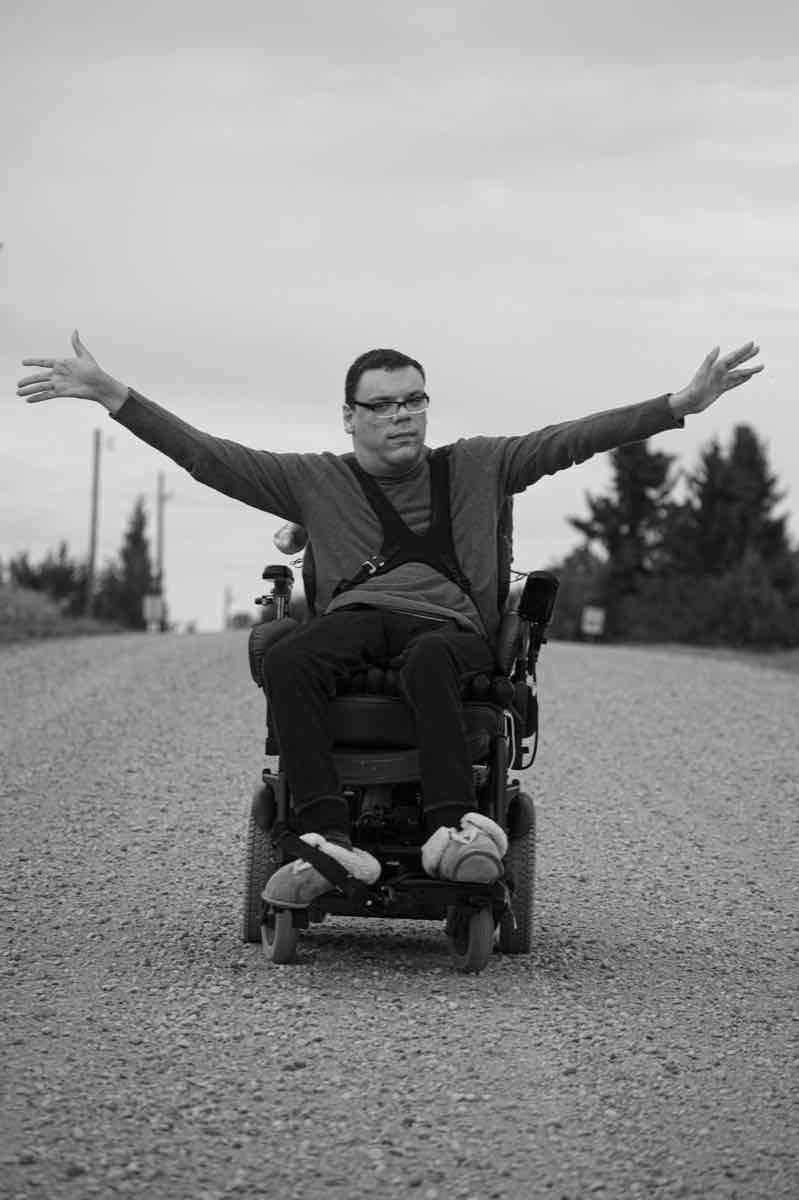
Credito de foto: EnabledHub archive
Puntos clave
**Muscle loss** begins within 24 hours and accelerates rapidly. Critically ill patients can lose up to 20% of their muscle mass in the first week of ICU admission.
**Bone density drops** without weight-bearing, increasing fracture risk.
**Cardiovascular deconditioning** means the heart works harder to do less, and blood pressure becomes unstable when the person finally sits up.
En esta pagina
Checklist rapido para cuidadores
Usa esta lista como referencia rapida antes de cada rutina de cuidado.
The Cost of Staying in Bed
Every day spent immobile in a hospital bed triggers a cascade of decline:
The longer a person stays in bed, the harder it becomes to get out of it. Early mobility programs break this cycle.
- **Muscle loss** begins within 24 hours and accelerates rapidly. Critically ill patients can lose up to 20% of their muscle mass in the first week of ICU admission.
- **Bone density drops** without weight-bearing, increasing fracture risk.
- **Cardiovascular deconditioning** means the heart works harder to do less, and blood pressure becomes unstable when the person finally sits up.
- **Respiratory function declines** as the lungs compress in a supine position, increasing the risk of pneumonia.
- **Skin breaks down** at pressure points, potentially causing wounds that take months to heal.
- **Cognitive function suffers** — ICU delirium is strongly associated with immobility and affects up to 80% of mechanically ventilated patients.
What Is Early Mobility?
Early mobility means initiating movement and activity as soon as it's medically safe — sometimes within hours of ICU admission. This doesn't mean jogging down the hallway. It means a progressive approach:
1. **In-bed exercises** — ankle pumps, leg lifts, arm movements, and active-assisted range of motion 2. **Sitting at the edge of the bed** — challenging balance and trunk control while monitoring vital signs 3. **Sitting in a chair** — transferring out of bed to an upright seated position for increasing durations 4. **Standing** — using a standing frame, tilt table, or sit-to-stand device to achieve weight-bearing 5. **Stepping and walking** — with gait trainers, parallel bars, or supported walking devices
Each step is progressed based on the individual's tolerance, vital sign stability, and medical status.
Equipment for Adult Mobility Programs
**Sit-to-Stand Devices** bridge the gap between bed and walking. They provide mechanical lifting assistance that allows a person to practice standing without requiring the full strength to get there independently.
**Gait Trainers for Adults** provide body-weight support, trunk stabilization, and guided stepping for individuals who can't support themselves during walking. They allow meaningful walking practice at a stage when independent ambulation isn't yet possible.
**Tilt Tables** gradually bring a person from horizontal to vertical, retraining the cardiovascular system to handle upright positioning after prolonged bed rest.
**Ceiling Lifts and Transfer Systems** make it physically possible for staff to mobilize patients who are too heavy or too weak for manual handling — removing one of the biggest barriers to early mobility in hospital settings.
The Evidence
Early mobility programs consistently demonstrate:
These aren't marginal improvements — they're meaningful differences that change the trajectory of recovery.
- Shorter ICU stays and hospital admissions
- Reduced rates of ventilator-associated pneumonia
- Lower incidence of ICU-acquired weakness
- Decreased delirium duration
- Better functional outcomes at discharge
- Reduced long-term disability
Barriers and Solutions
Despite overwhelming evidence, early mobility programs face real obstacles:
- **Staffing** — mobilizing a critically ill patient requires multiple trained people. Solution: establish dedicated mobility teams.
- **Fear of harm** — staff worry about dislodging lines, tubes, or drains. Solution: develop clear safety protocols and start with low-risk activities.
- **Patient resistance** — pain, fatigue, and fear make patients reluctant to move. Solution: manage pain proactively, set small goals, and celebrate progress.
- **Culture** — "rest heals" is deeply embedded in medical culture. Solution: education, data, and visible success stories change minds over time.
Beyond the Hospital
Early mobility principles apply beyond acute care. In skilled nursing facilities, long-term care, and home health settings, the same logic holds: the more a person moves, the more they can move. Rehabilitation programs that prioritize functional mobility — standing, walking, transferring — over passive exercises produce better long-term outcomes.
Recovery isn't something that happens in bed. It happens on your feet.
Blog
Leer base de conocimiento