Como Parkinson cambia la marcha, los giros, la postura, el uso del bano y las necesidades de apoyo nocturno.
Las decisiones de equipo para Parkinson suelen depender del congelamiento, los giros, la variacion diaria del rendimiento, la fatiga, la postura y de que las rutinas sigan siendo simples bajo presion.
Credito de foto: EnabledHub archive
En esta pagina
Por que Parkinson cambia los criterios de decision
Con Parkinson, las decisiones sobre equipo suelen depender menos de la fuerza pura y mas del momento, el congelamiento, la iniciacion, los giros, la postura y las variaciones a lo largo del dia.
Un producto que parece adecuado en una prueba corta puede fallar cuando la persona esta cansada, debe girar dentro del bano o gestionar rutinas temprano por la manana o tarde por la noche.
Evalua el rendimiento variable, no solo el mejor caso.
Girar e iniciar la marcha suele importar mas que caminar en linea recta.
Las rutinas nocturnas y del bano merecen una revision aparte.
Que valorar primero
Empiece por los momentos en los que la duda o el congelamiento generan riesgo: levantarse, girar hacia el bano, retroceder hacia un asiento y cambiar de direccion en espacios estrechos.
Despues revise postura, resistencia, historial de caidas y si la persona sigue gestionando la rutina por si misma o depende cada vez mas del apoyo de otra persona.
Congelamiento y comportamiento al girar
Patron de aproximacion a silla e inodoro
Necesidad de claves para las transferencias
Perfil de fatiga a lo largo del dia
Lineas de equipo relevantes
Muchas rutinas con Parkinson se benefician de una combinacion de apoyo para la movilidad, ayuda para el asiento o la higiene y, en algunos casos, mejor posicionamiento nocturno o ayuda en la cama.
Eso puede significar rollators para caminar con mas seguridad, sillas de ruedas o apoyo de asiento para rutinas marcadas por la fatiga, y productos de dormitorio cuando entrar, salir y recolocarse en la cama se vuelve dificil.
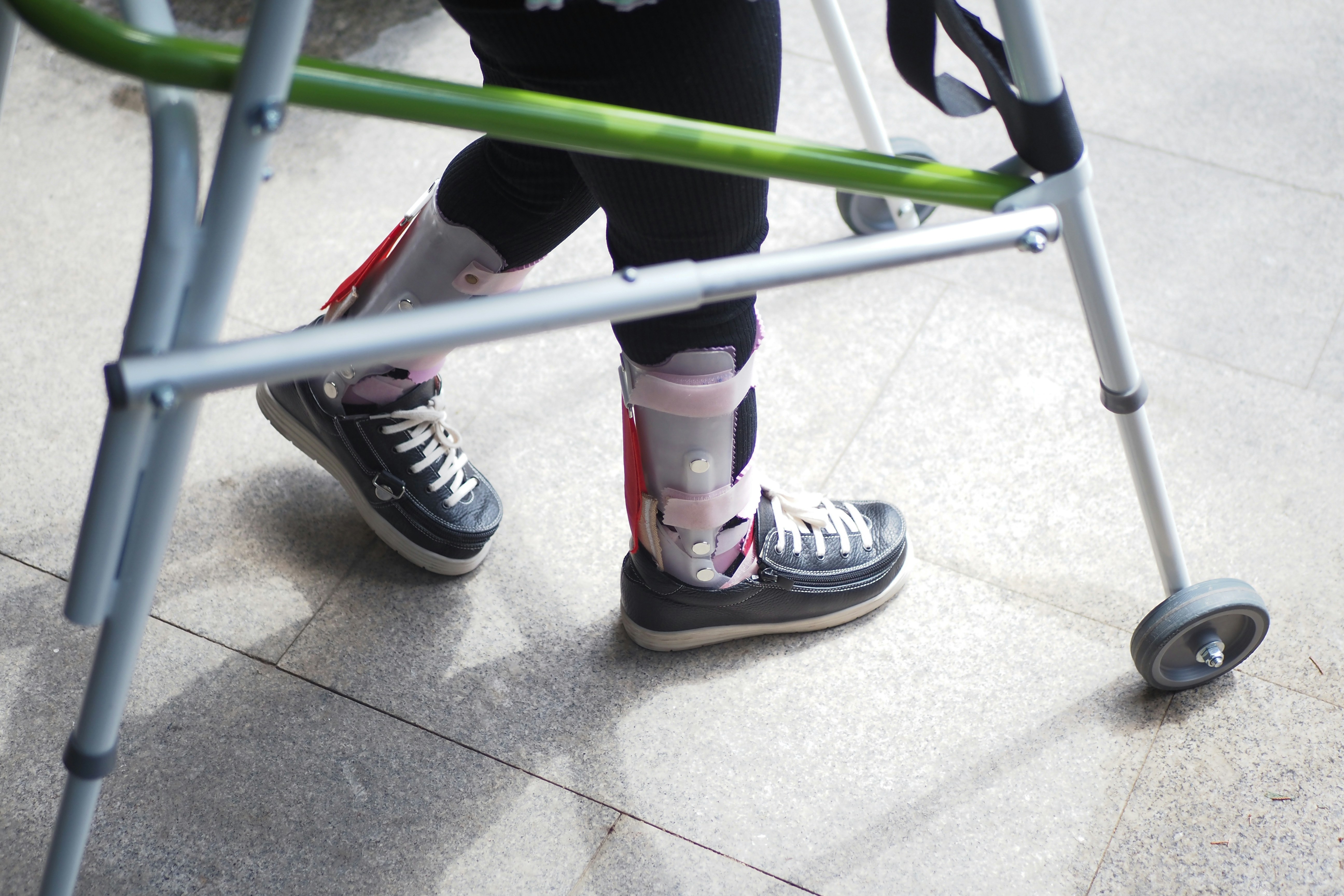
Rollators y andadores para una movilidad asistida con claves claras
Apoyo para higiene y uso del inodoro que facilite aproximacion y levantarse-sentarse
Camas y apoyo nocturno cuando el cuidado por la noche se convierte en el cuello de botella
Consejos practicos de preparacion
Elige soluciones que reduzcan la vacilacion, simplifiquen los giros y sean tolerantes cuando iniciar el movimiento va lento. Los productos que exigen demasiados pasos o un tiempo perfecto se vuelven frustrantes rapidamente.
En caso de duda, diseña alrededor de las transiciones de mayor riesgo y mantene los flujos de equipo lo mas consistentes posible.
Manten secuencias de transferencia cortas y repetibles
Da prioridad a la confianza en el frenado y al ajuste de la altura del asiento
Evita productos dificiles de recolocar en espacios estrechos
Hubs de contenido relevantes
Paginas por condicion, hubs de categoria y guias multilingues para aclarar el siguiente paso.
Por uso
Movilidad y marcha
Andadores, sillas de ruedas y ayudas de movilidad para hogar, escuela y comunidad.
Los rollators y andadores son mas utiles cuando alguien sigue caminando, pero necesita mas constancia, mejor dosificacion del esfuerzo, confianza al frenar o apoyo para completar las rutas diarias con seguridad.
Las camas, colchones y apoyos nocturnos se vuelven criticos cuando las transferencias, los cambios de posicion, el cuidado de la presion o la seguridad por la noche limitan toda la rutina del hogar.
Perfil de presion
Altura de cama
Energia y respaldo
Articulos relevantes
Lectura practica para cuidadores, familias, clinicos y equipos de apoyo.