Familia movilidad
Andadores y marcha asistida
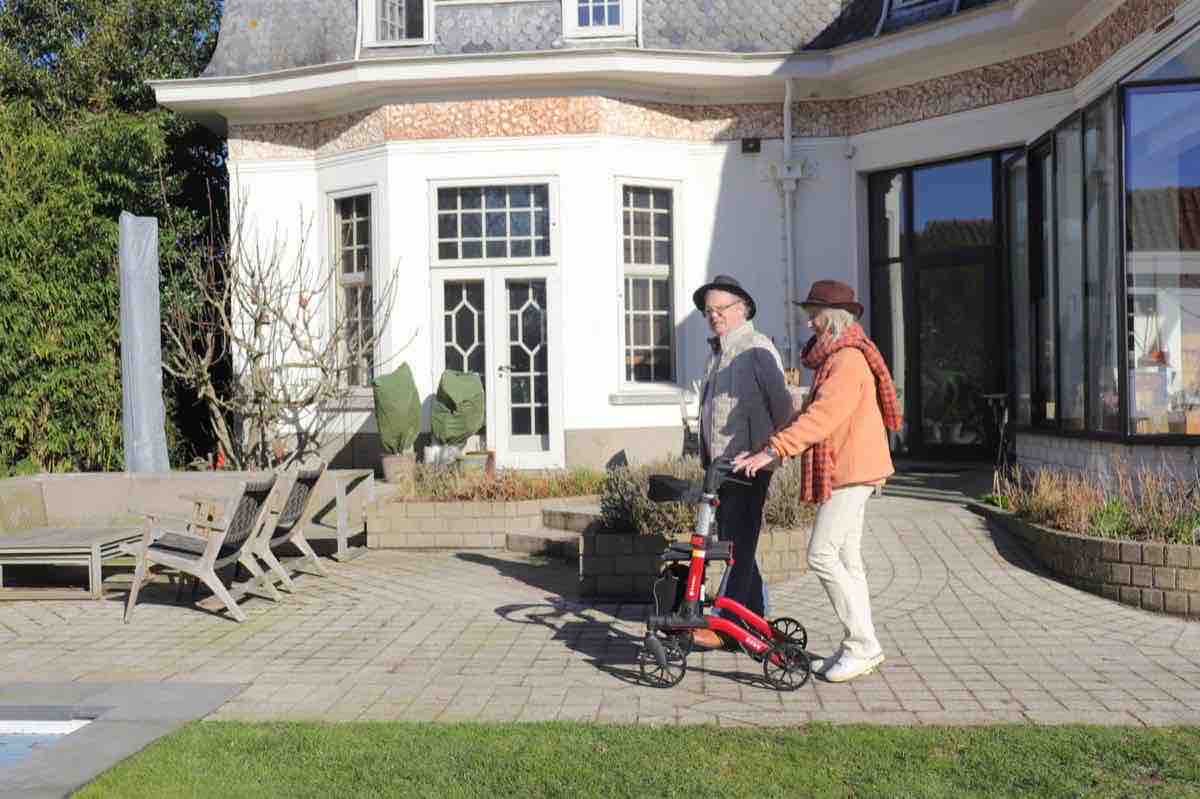
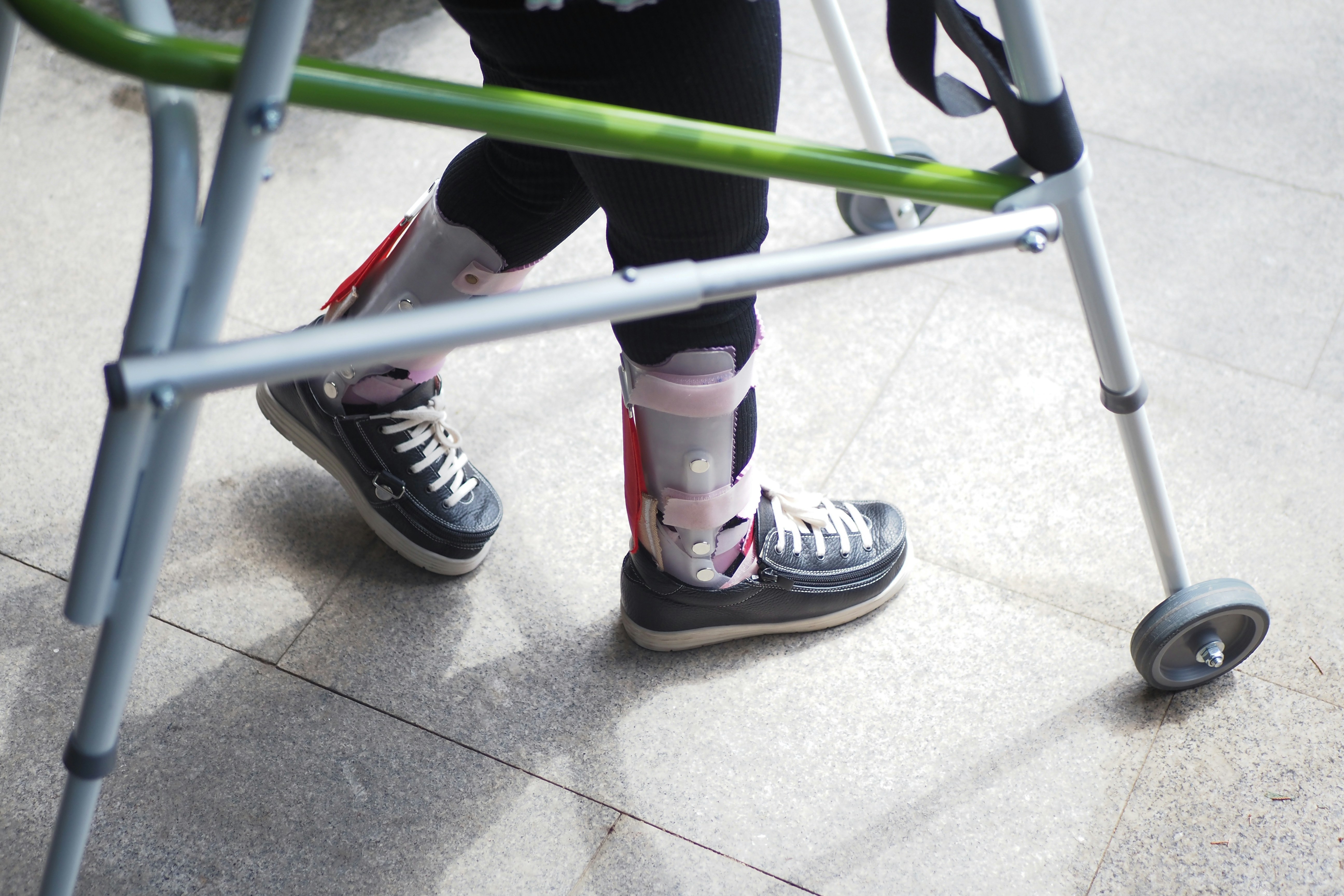
Los rollators y andadores son mas utiles cuando alguien sigue caminando, pero necesita mas constancia, mejor dosificacion del esfuerzo, confianza al frenar o apoyo para completar las rutas diarias con seguridad.
Compara peso, frenos, plegado y donde pasa la mayor parte del dia.
Credito de foto: EnabledHub archive
Radio interior
Terreno exterior
Peso para coche
Para quien sirve esta familia
Esta familia encaja en personas que siguen caminando pero necesitan mas estabilidad, ayuda para dosificar el ritmo, apoyo para descansar o confianza en los recorridos diarios. La mejor opcion depende de si el problema principal es resistencia, equilibrio, acceso exterior, giros o todo junto.
Estos productos suelen ser el puente entre caminar de forma independiente y una ayuda de movilidad mas estructurada.
- Adecuados para quienes aun caminan pero se benefician de apoyo
- Suelen elegirse para completar rutas, no solo para controlar sintomas
- Pueden reducir fatiga y mejorar la confianza cuando se ajustan bien
Como valorar el ajuste
Empieza por la ruta real: giros en interiores, umbrales, superficies exteriores, carga en el coche, espacio de guardado y la frecuencia con la que la persona necesita sentarse.
Despues revisa funcion de la mano, fiabilidad del frenado, tamano plegado y si la persona puede manejar el dispositivo bajo estres o fatiga.
- Radio de giro en interiores
- Terreno exterior y comportamiento de las ruedas
- Confianza al usar los frenos
- Practica de carga en coche y almacenamiento
Variantes comunes y sus compensaciones
Los andadores mas ligeros pueden ser mas faciles de levantar y guardar, pero a veces se sienten menos firmes. Los rollators mas robustos suelen comportarse mejor en exteriores y ofrecer mejor asiento, aunque ocupan mas espacio en casas pequenas.
El modelo adecuado suele ser el que responde a la ruta mas dificil de la semana, no a la mas facil del dia.
- Andadores compactos pensados para interior
- Rollators mas robustos para terreno mixto
- Modelos con mejor asiento y descanso para controlar el ritmo
Cuando conviene otra via de movilidad
Si los giros, la postura, la resistencia o la fatiga limitan demasiado, o si la persona no completa las rutas ni siquiera con apoyo para caminar, puede ser mas apropiada otra solucion de movilidad o de asiento.
Los andadores y rollators funcionan mejor cuando caminar sigue siendo significativo y repetible con apoyo. Son una mala opcion cuando solo retrasan un ajuste claramente insuficiente.
- Sube de nivel si el dispositivo no hace las rutas realmente repetibles
- Considera apoyo de asiento cuando postura y fatiga dominan
- No elijas solo por peso o estilo sin probar las rutas reales