Como la esclerosis multiple cambia las decisiones de equipo cuando la fatiga, el equilibrio y las necesidades de apoyo fluctuan con el tiempo.
Planificar equipo para la esclerosis multiple suele requerir considerar fatiga variable, sensibilidad al calor, cambios de equilibrio, necesidades de apoyo progresivas y el riesgo de comprar algo que se quede corto demasiado pronto.
Por que la esclerosis multiple exige decisiones preparadas para la progresion
La esclerosis multiple puede cambiar las necesidades de apoyo de manera gradual o desigual, por lo que el equipo debe elegirse con suficiente flexibilidad para seguir siendo util cuando cambian la fatiga, el equilibrio, las transferencias y la resistencia.
La mejor decision no siempre es el producto mas ligero o minimalista, sino el que sigue siendo manejable en los dias buenos y en los dias malos.
Planifica para la fluctuacion, no para una sola referencia.
Busca apoyos que sigan siendo utiles cuando cambia la resistencia.
Evita comprar productos que sean de inmediato demasiado avanzados o demasiado limitados.
Preguntas clave de valoracion
Empieza trazando los recorridos mas largos y agotadores del dia, luego revisa transferencias, rutinas de bano, escalones o umbrales y lo que sucede cuando la persona esta en su punto de energia mas bajo.
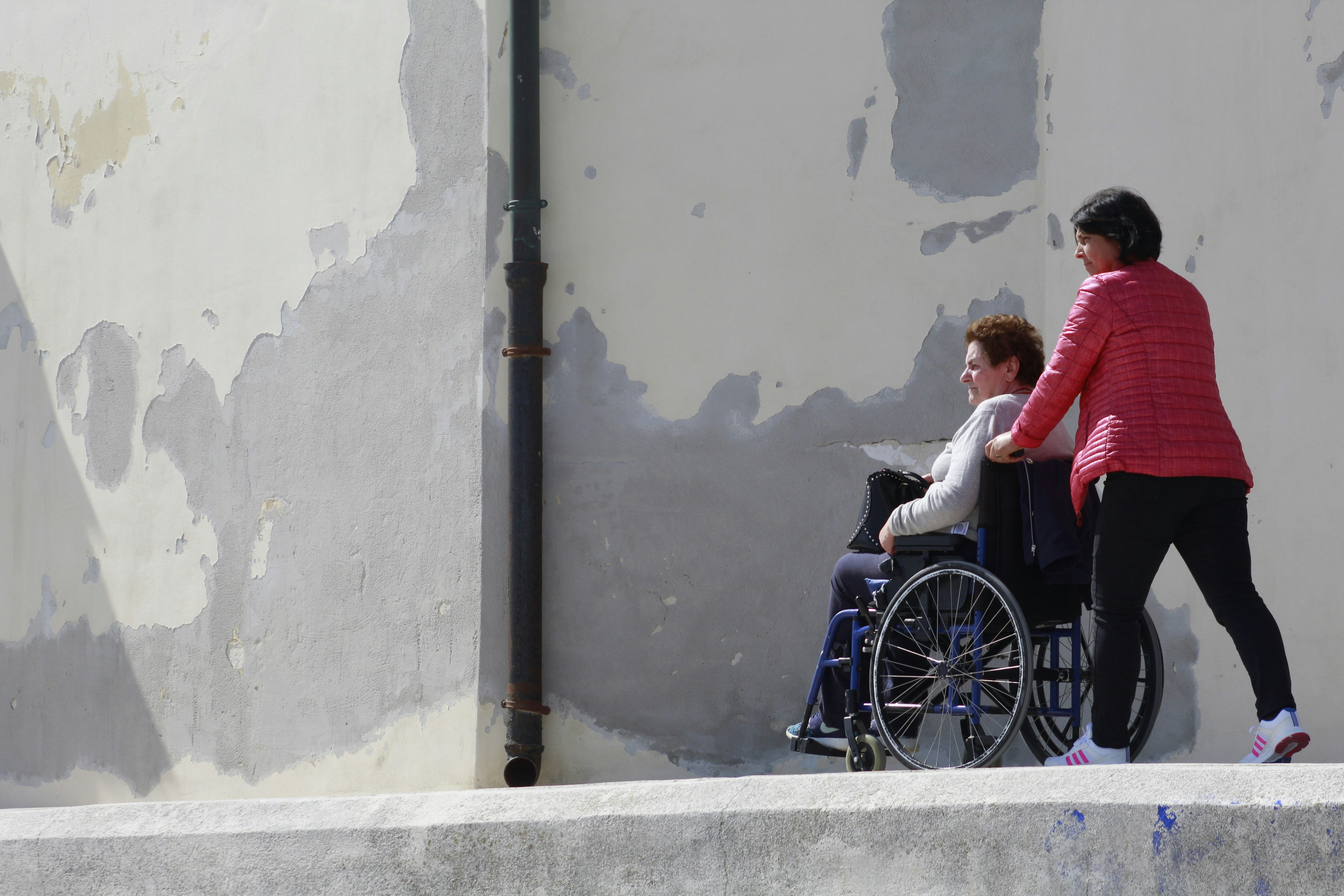
Tambien valora si el equipo debe manejarlo la propia persona, si otra persona lo prepara en parte o si depende por completo de alguien mas.
Coste energetico de las rutinas diarias
Fiabilidad de la marcha al final del dia
Necesidad de descanso sentado o apoyo de transporte
Seguridad en las transferencias cuando la fatiga alcanza su pico
Familias de equipo que suelen importar
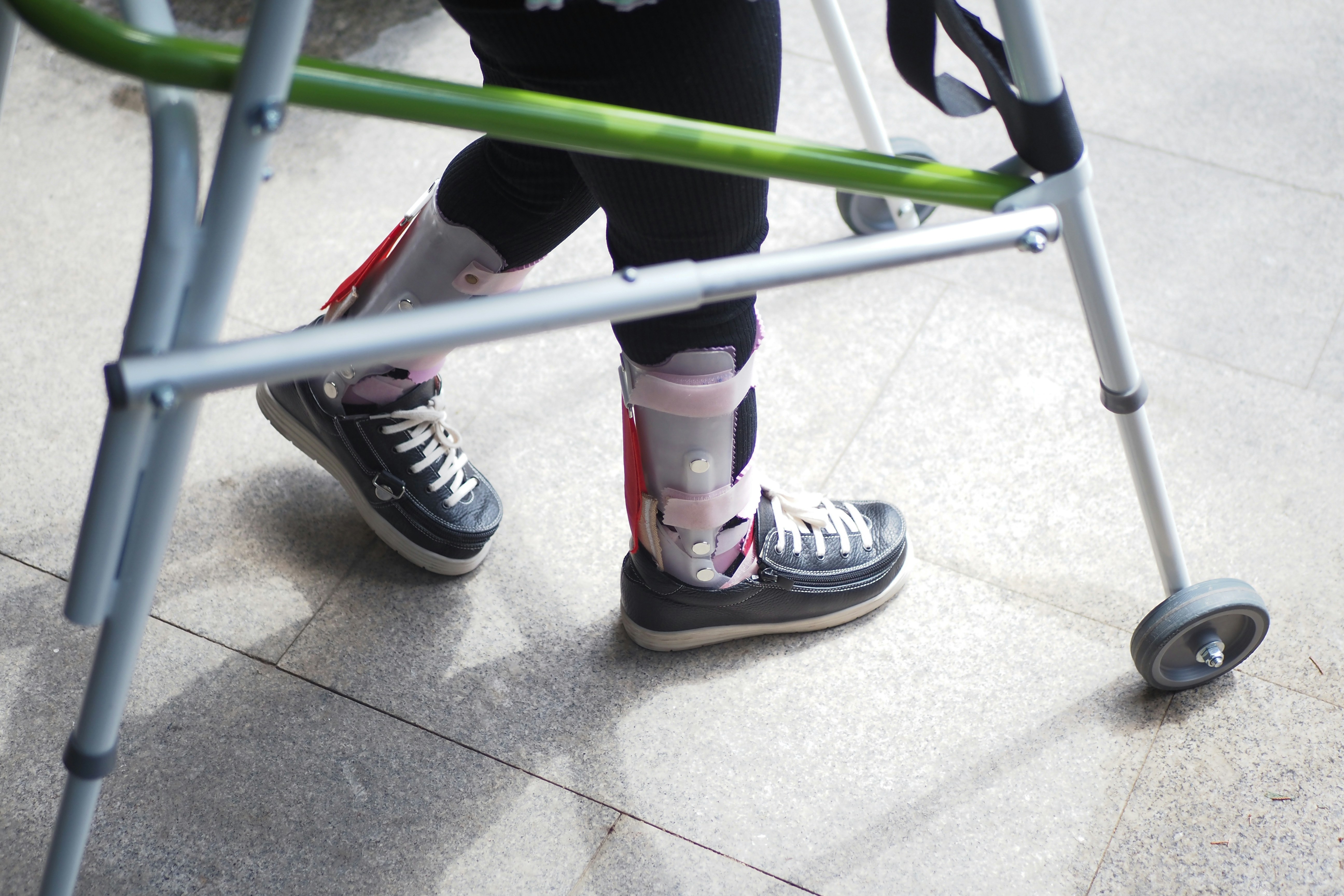
Para muchas personas con esclerosis multiple, las ayudas de movilidad, el apoyo para transferencias y los productos de dormitorio o cuidado de la presion se vuelven relevantes por etapas y no todos a la vez.
Elegir pensando en la progresion puede reducir recompras y ayudar a que el hogar construya un sistema de apoyo mas coherente con el tiempo.
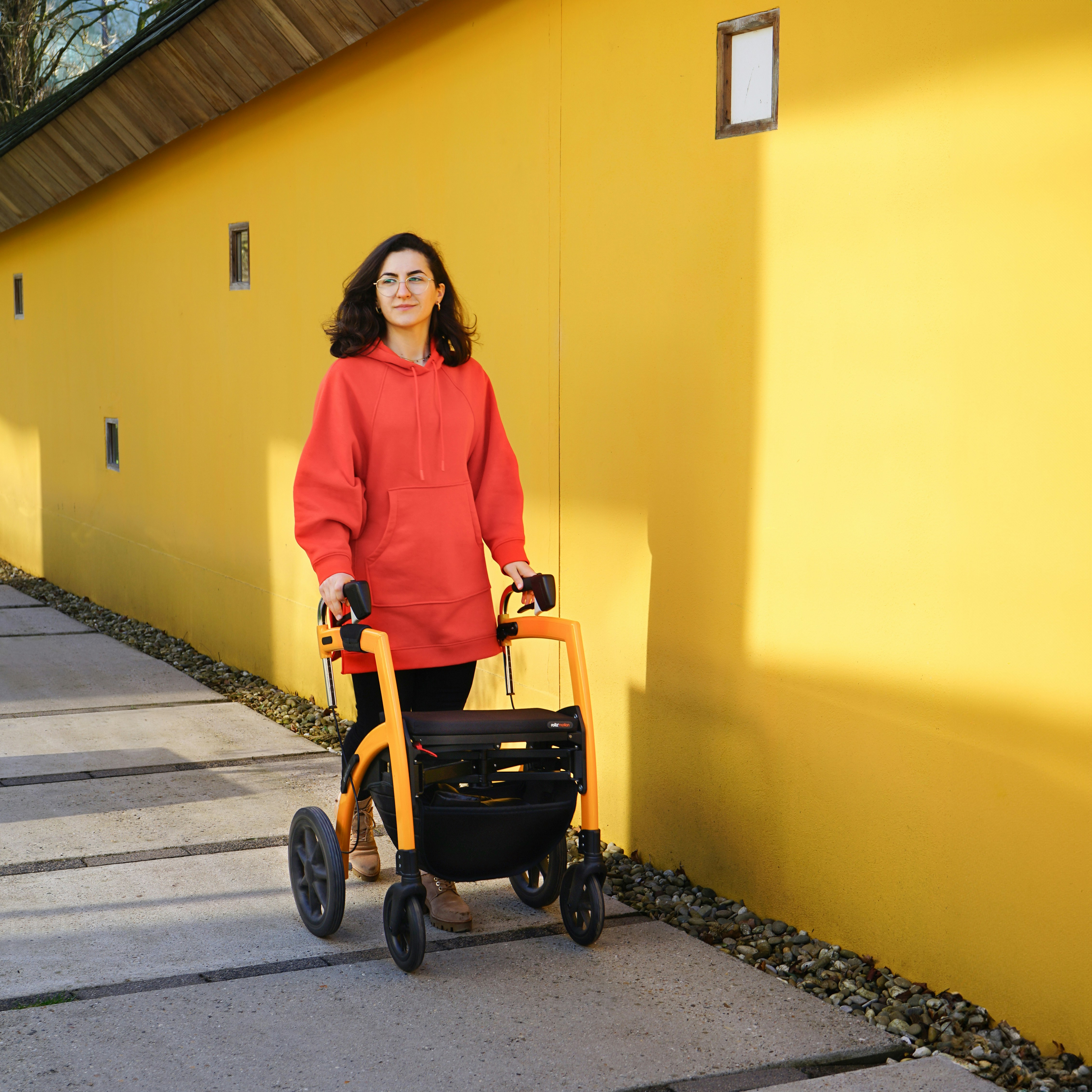
Rollators para dosificar el esfuerzo y completar rutas con mas seguridad
Ayudas de transferencia cuando los movimientos repetidos se vuelven mas exigentes
Camas o superficies de apoyo cuando el cuidado nocturno y los cambios de posicion se complican
Como evitar compras que encajen mal
Desconfia de soluciones ligeras y atractivas que se vuelven inestables, incomodas o insuficientes cuando aumenta la fatiga.
Cuando sea posible, elige equipo capaz de cubrir las necesidades actuales y las del futuro cercano en lugar de forzar un reemplazo completo demasiado pronto.
Da prioridad a la capacidad de ajuste y al rango de apoyo util
Revisa el flujo de trabajo del cuidador aunque hoy el apoyo sea minimo
Documenta que hace que el equipo falle en las rutinas reales
Hubs de contenido relevantes
Paginas por condicion, hubs de categoria y guias multilingues para aclarar el siguiente paso.
Por uso
Movilidad y marcha
Andadores, sillas de ruedas y ayudas de movilidad para hogar, escuela y comunidad.
Los rollators y andadores son mas utiles cuando alguien sigue caminando, pero necesita mas constancia, mejor dosificacion del esfuerzo, confianza al frenar o apoyo para completar las rutas diarias con seguridad.
Los giradores de transferencia y dispositivos de apoyo en bipedestacion son mas utiles cuando la verdadera limitacion esta en las rutas repetidas cama-silla-inodoro y hace falta reducir la carga fisica de quien cuida.
Las camas, colchones y apoyos nocturnos se vuelven criticos cuando las transferencias, los cambios de posicion, el cuidado de la presion o la seguridad por la noche limitan toda la rutina del hogar.
Perfil de presion
Altura de cama
Energia y respaldo
Articulos relevantes
Lectura practica para cuidadores, familias, clinicos y equipos de apoyo.