Como la paralisis cerebral cambia las prioridades de equipo en postura, crecimiento, participacion y apoyo diario.
Las decisiones de equipo para la paralisis cerebral suelen depender de la postura, el crecimiento, el riesgo de contracturas, los objetivos de participacion, la realidad del transporte y cuanta capacidad de ajuste se necesita con el tiempo.
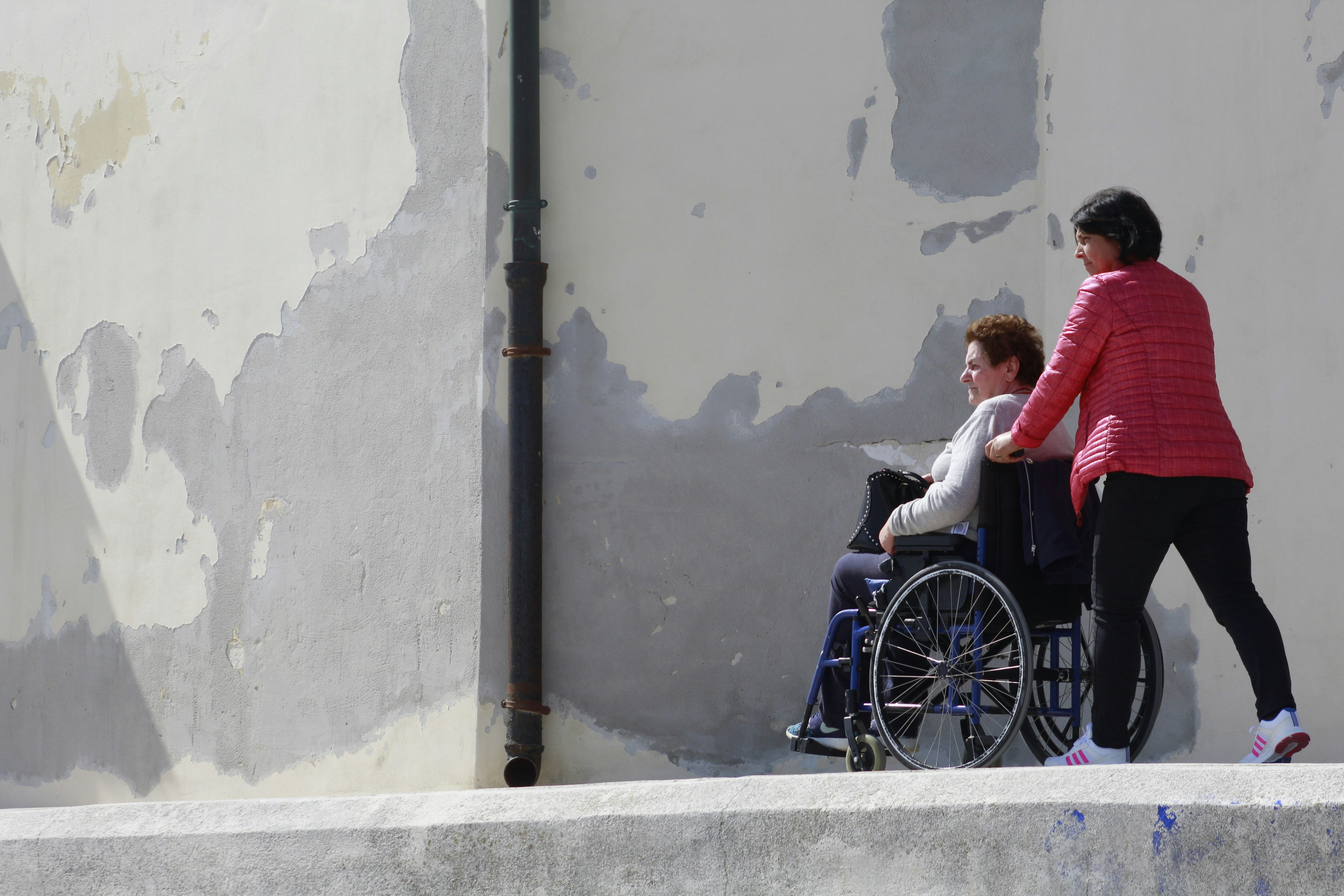
Credito de foto: EnabledHub archive
En esta pagina
Por que la postura y el crecimiento importan tanto
En la paralisis cerebral, el equipo suele tener que hacer mucho mas que mover a alguien de un punto A a un punto B. Puede necesitar apoyar la postura, reducir el esfuerzo, mejorar la participacion y adaptarse a los cambios con el tiempo.
Eso hace que el ajuste, la capacidad de regulacion, la estrategia de asiento y la planificacion a largo plazo sean mucho mas importantes que una comparacion rapida de una sola caracteristica.
El apoyo debe responder a la postura ademas de la movilidad.
El crecimiento y la capacidad de ajuste a largo plazo importan desde el principio.
Los objetivos de participacion deben marcar la linea de equipo.
Que valorar antes de comprar
Empiece por las necesidades posturales y de apoyo al sentarse, ponerse de pie y hacer transferencias. Despues revise requisitos de transporte, entornos de casa y escuela, tiempo de preparacion del cuidador y si el producto seguira siendo util tras el crecimiento o cambios terapeuticos.
Para muchas familias, la decision real no es un producto aislado sino como encajan entre si las soluciones de asiento, movilidad y manejo.
Profundidad del asiento y necesidades de soporte lateral, de cabeza y tronco
Compatibilidad con casa, escuela y transporte
Margen para crecer sin sobredimensionar
Tiempo de preparacion y carga para la persona cuidadora
Lineas de apoyo habituales
Las sillas de ruedas y los sistemas de asiento suelen ser centrales, pero muchas rutinas tambien se benefician de opciones de marcha asistida, ayuda para transferencias y orientacion en actividades diarias que reduzca la friccion para quienes cuidan y para la persona usuaria.
La mezcla correcta depende mucho del objetivo principal: comodidad en casa, acceso a la escuela, entrenamiento de la marcha o transferencias cotidianas.
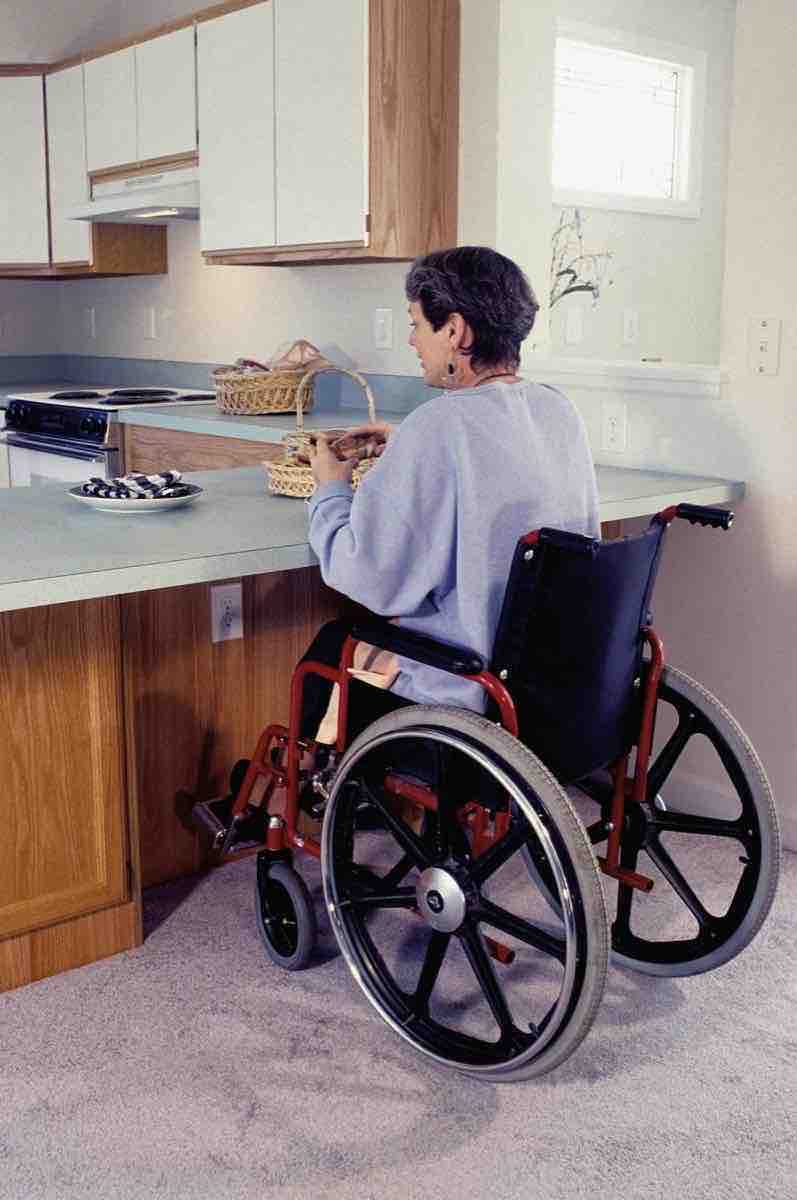
Sillas de ruedas y apoyo de asiento para postura y participacion
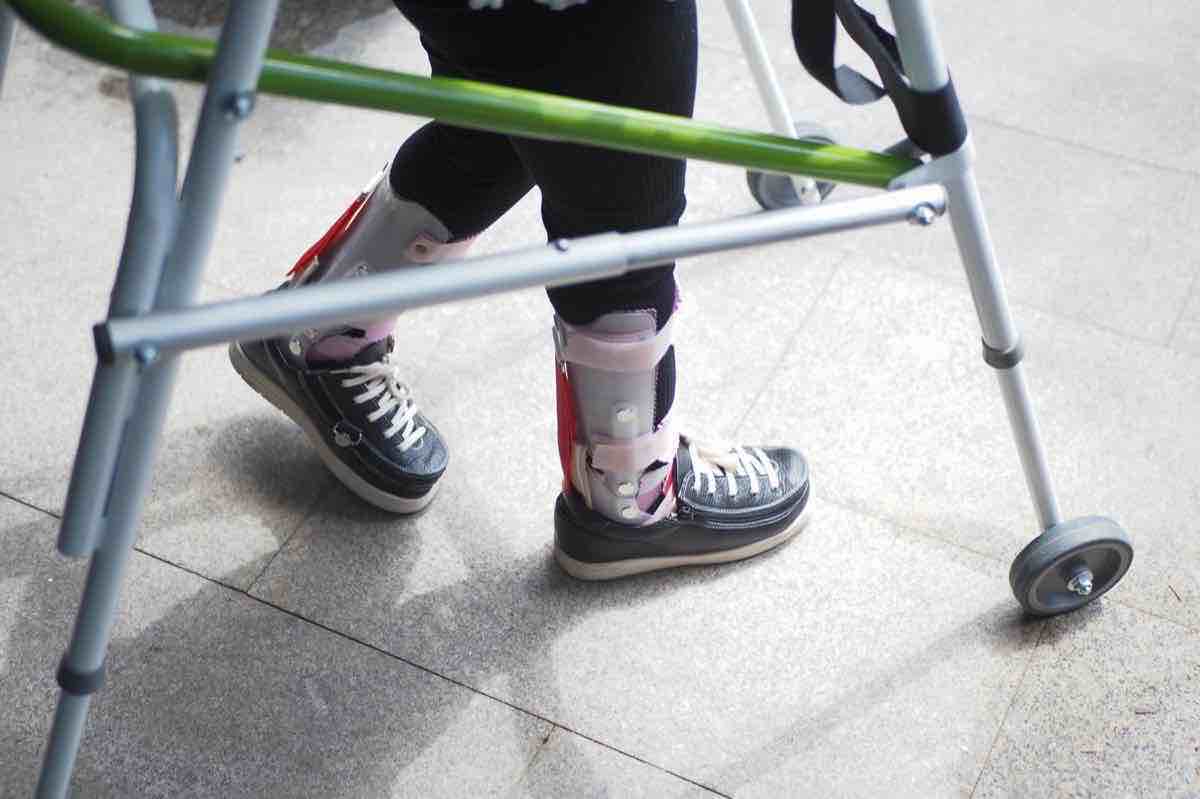
Dispositivos de marcha asistida cuando importa practicar la marcha o completar rutas
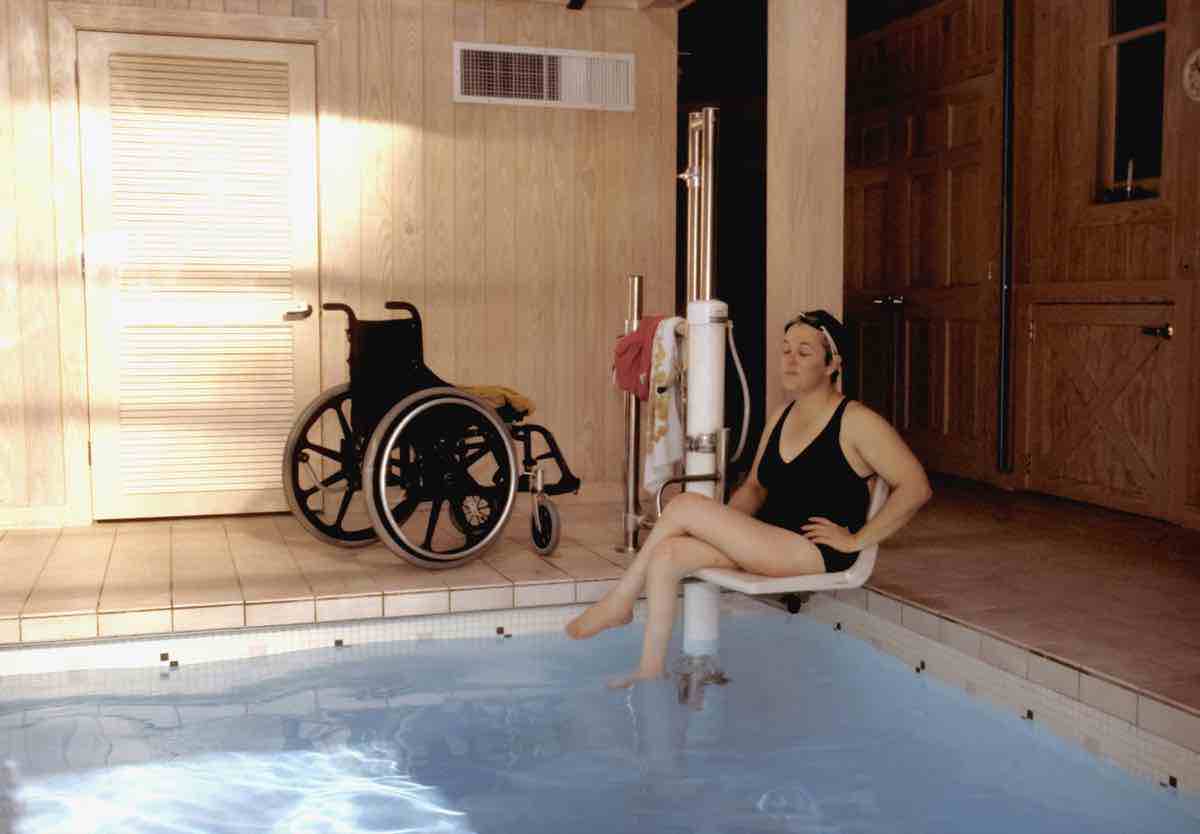
Apoyo para transferencias cuando la carga del cuidador o la seguridad se vuelven el factor limitante
Errores de decision que conviene evitar
Evite elegir solo por franja de edad, moda o una unica etiqueta clinica. Dos personas con el mismo diagnostico pueden necesitar equipos muy distintos segun el tono, la postura, la resistencia, las necesidades de manejo y el entorno.
Siempre que sea posible, compare opciones dentro de rutinas y espacios reales, no solo a partir de promesas aisladas del producto.
No priorice la compacidad por encima de la calidad del apoyo
Evite comprar de mas sin un objetivo claro de participacion
Trate el transporte y el flujo de trabajo del cuidador como criterios centrales
Hubs de contenido relevantes
Paginas por condicion, hubs de categoria y guias multilingues para aclarar el siguiente paso.
Por uso
Movilidad y marcha
Andadores, sillas de ruedas y ayudas de movilidad para hogar, escuela y comunidad.
Los rollators y andadores son mas utiles cuando alguien sigue caminando, pero necesita mas constancia, mejor dosificacion del esfuerzo, confianza al frenar o apoyo para completar las rutas diarias con seguridad.
Los giradores de transferencia y dispositivos de apoyo en bipedestacion son mas utiles cuando la verdadera limitacion esta en las rutas repetidas cama-silla-inodoro y hace falta reducir la carga fisica de quien cuida.
Base
Participacion del usuario
Frenos y apoyos
Articulos relevantes
Lectura practica para cuidadores, familias, clinicos y equipos de apoyo.