Como la recuperacion tras un ictus cambia las necesidades en transferencias, marcha, bano y rutinas diarias.
Las decisiones sobre equipo tras un ictus suelen centrarse en cambios de movilidad, debilidad de un lado, fatiga, transferencias y cuanta ayuda diaria debe aportar la persona cuidadora.
Por que cambian las necesidades de equipo tras un ictus
Despues de un ictus, elegir equipo rara vez depende de un solo producto. El reto real es ajustar el apoyo a los cambios de fuerza, equilibrio, tono, resistencia, cognicion y confianza a lo largo del dia.
Una persona puede necesitar sobre todo ayuda para las transferencias al bano y para trayectos cortos. Otra puede requerir un asiento mas estructurado, movimientos cama-silla mas seguros y una preparacion mas sencilla para quien cuida.
Observe toda la rutina, no solo una habitacion o una tarea.
Reevale despues de mejoras o retrocesos importantes en rehabilitacion.
Priorice estabilidad y repeticion frente a un buen resultado aislado.
Que valorar antes de elegir
Empiece por el patron de transferencia: cama a silla, silla a inodoro, acceso a la ducha y si la persona puede pivotar, ponerse de pie con apoyo o necesita una via de transferencia mas asistida.
Despues revise la resistencia al caminar, la fatiga a lo largo del dia, la funcion de brazos y manos, el espacio de giro en casa y si quien cuida puede preparar el equipo de forma rapida y constante.
Tolerancia a estar de pie y capacidad para pivotar
Debilidad de un lado y fiabilidad del agarre
Distribucion del bano y paso por puertas
Esfuerzo de la persona cuidadora en transferencias repetidas
Familias de productos mas relevantes
La recuperacion tras un ictus suele coincidir con tres lineas utiles: marcha asistida, apoyo para transferencias y equipo de bano que reduzca caidas sin complicar demasiado la rutina.
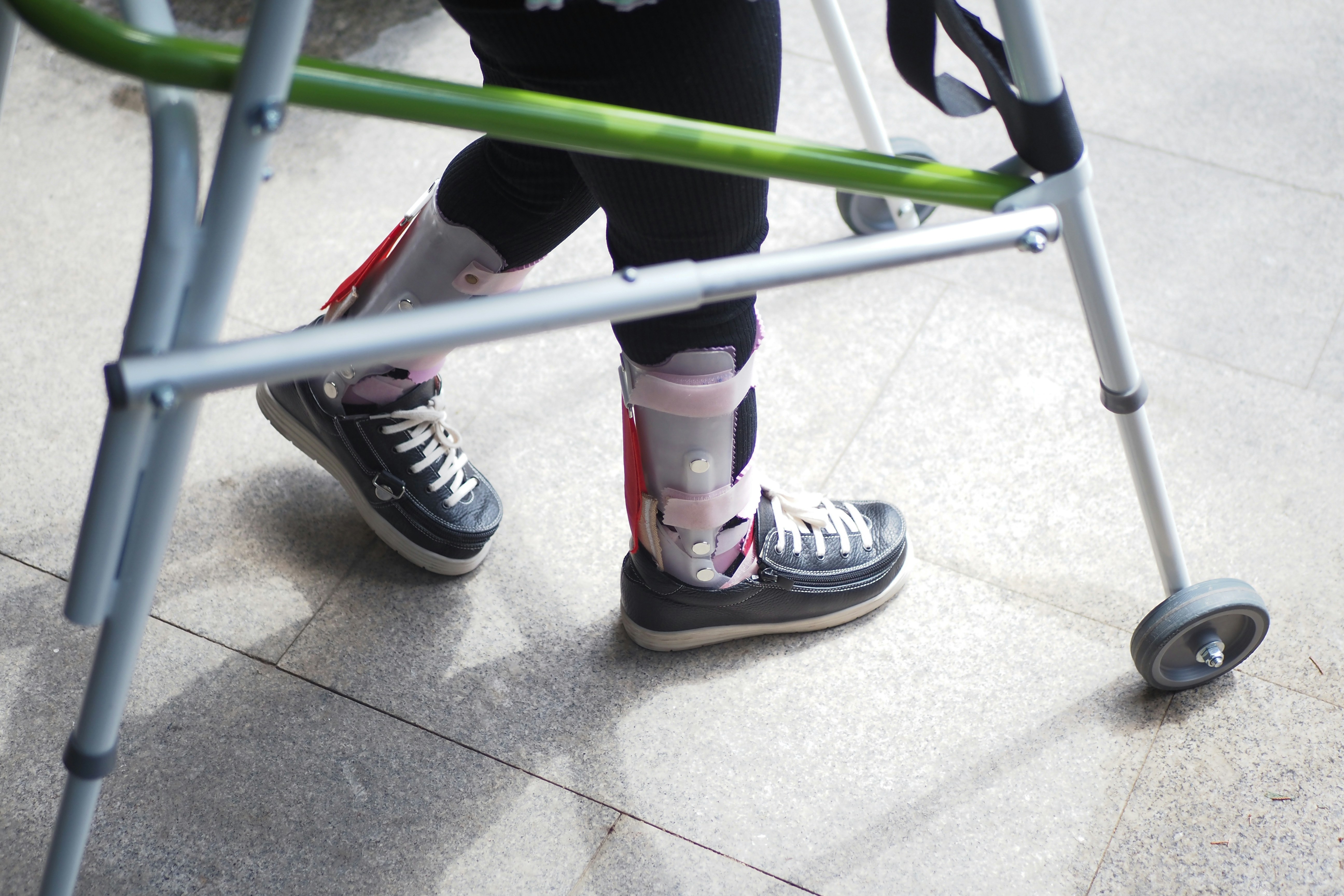
Eso suele implicar comparar andadores o rollators, ayudas de pivotaje o manejo, y sillas con inodoro para ducha o soluciones de transferencia al bano segun el entorno.
Rollators y andadores para mas confianza y resistencia en trayectos cortos
Ayudas de transferencia y pivotaje para rutas repetidas cama-silla-inodoro
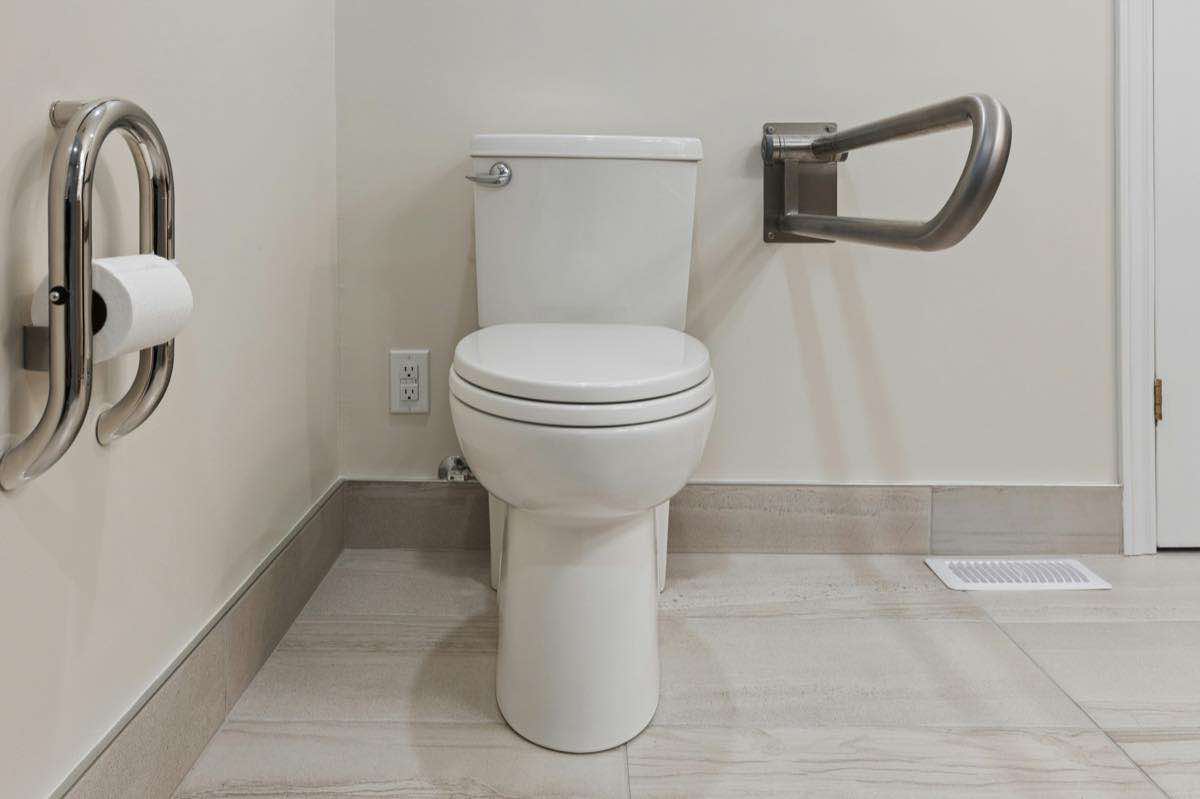
Sillas con inodoro para ducha y apoyo de bano para la higiene con menos riesgo de caida
Flujo de trabajo del cuidador y preparacion del hogar
La mejor solucion suele ser la que una persona cuidadora puede repetir con seguridad todos los dias. Si la preparacion es incomoda, los frenos fallan o el producto complica la higiene, el equipo no dara el resultado esperado.
Diseñe primero alrededor de la parte mas exigente de la rutina y anada otras soluciones solo cuando reduzcan claramente el riesgo o el esfuerzo.
Elija productos con pasos de preparacion previsibles
Anote alturas de asiento, puntos de apoyo y claves para la transferencia
Evite comprar demasiado pronto varios dispositivos que se solapan
Hubs de contenido relevantes
Paginas por condicion, hubs de categoria y guias multilingues para aclarar el siguiente paso.
Departamento popular
Bano e higiene
Elevadores de bano, sillas de ducha, barras de apoyo y ayudas WC con enfoque en transferencia.
Las sillas con inodoro para ducha ayudan cuando una sola configuracion sentada debe cubrir ducha, inodoro, higiene y el flujo de trabajo del cuidador con menos transferencias arriesgadas.
Los rollators y andadores son mas utiles cuando alguien sigue caminando, pero necesita mas constancia, mejor dosificacion del esfuerzo, confianza al frenar o apoyo para completar las rutas diarias con seguridad.
Los giradores de transferencia y dispositivos de apoyo en bipedestacion son mas utiles cuando la verdadera limitacion esta en las rutas repetidas cama-silla-inodoro y hace falta reducir la carga fisica de quien cuida.
Base
Participacion del usuario
Frenos y apoyos
Articulos relevantes
Lectura practica para cuidadores, familias, clinicos y equipos de apoyo.