El posicionamiento importa
Sillas de ruedas y apoyo postural
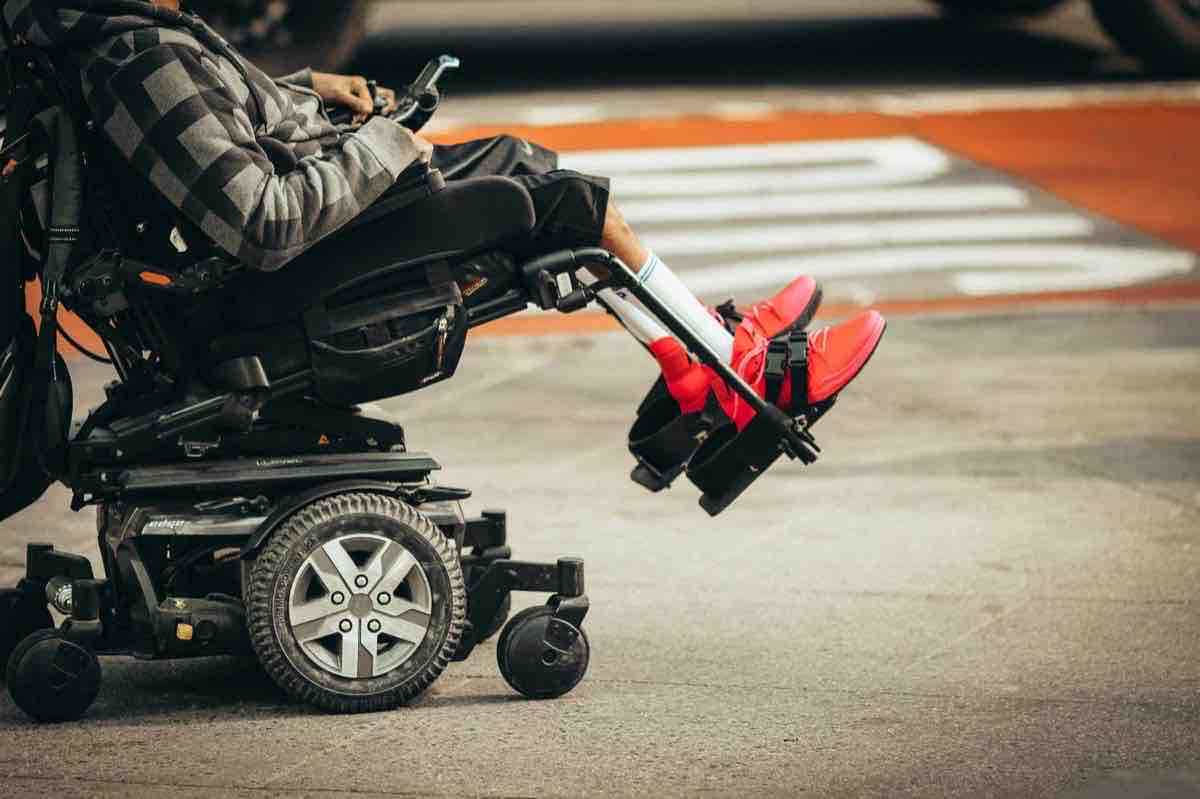
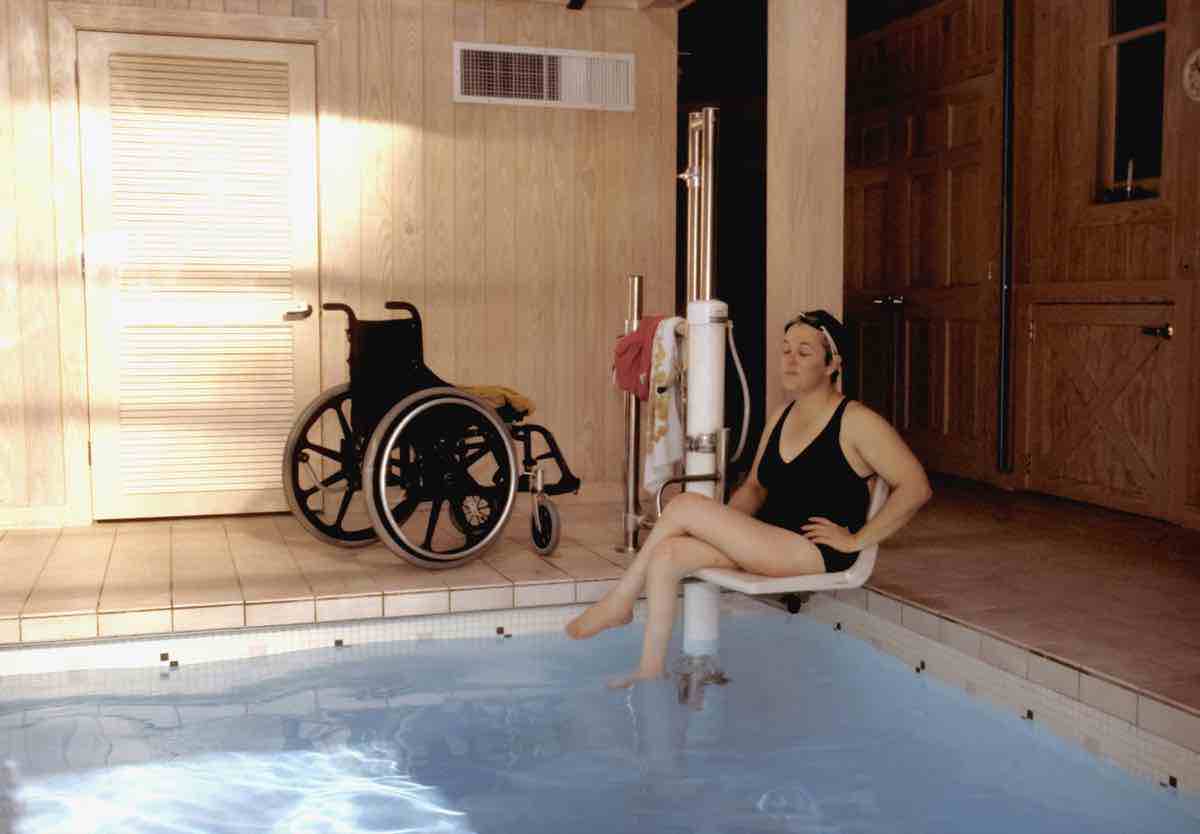
Las sillas de ruedas y el apoyo de asiento deben elegirse como sistemas de posicionamiento y participacion, no solo como medios de transporte.
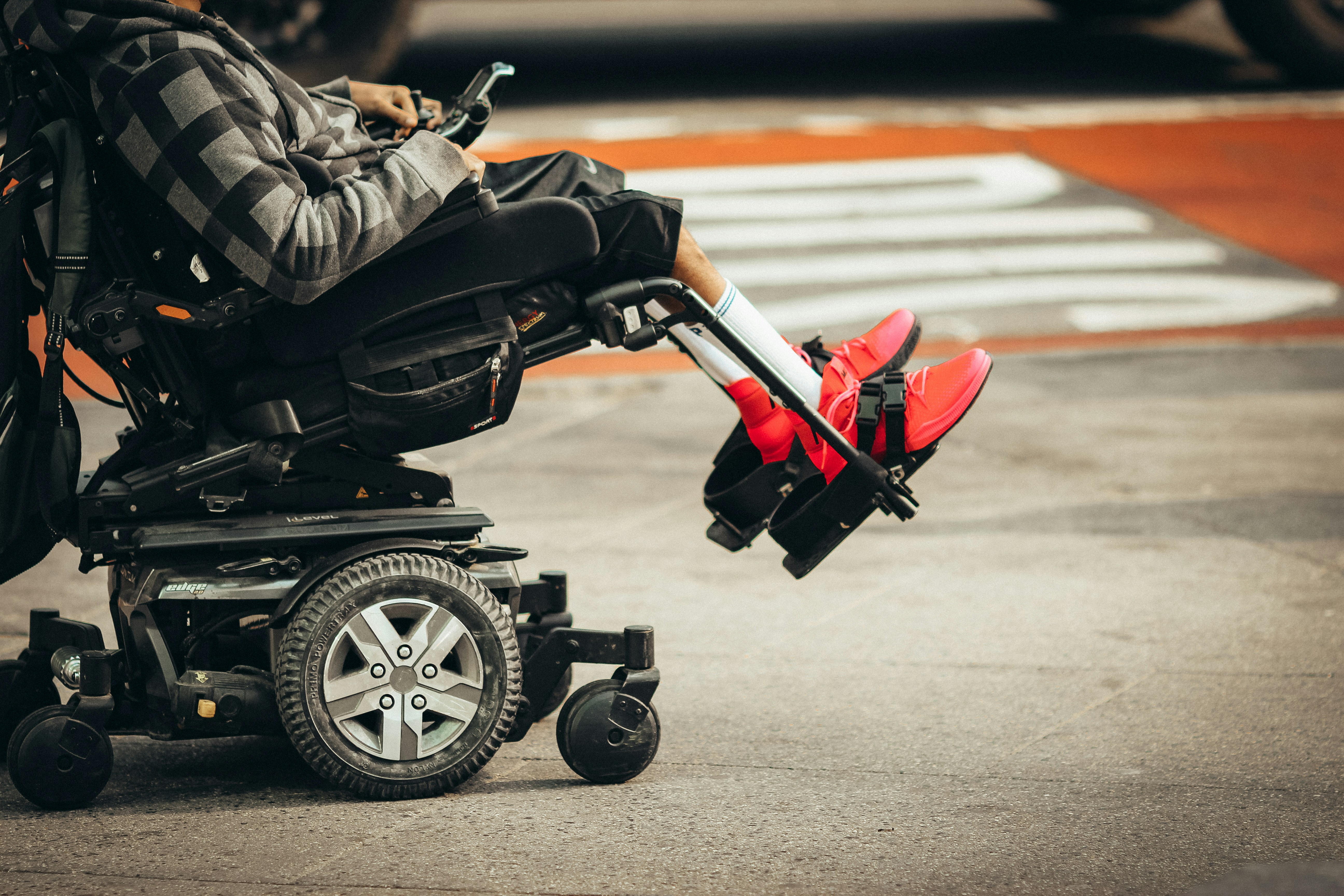
Mas alla del transporte: profundidad, soporte lateral, propulsion y altura de transferencia.
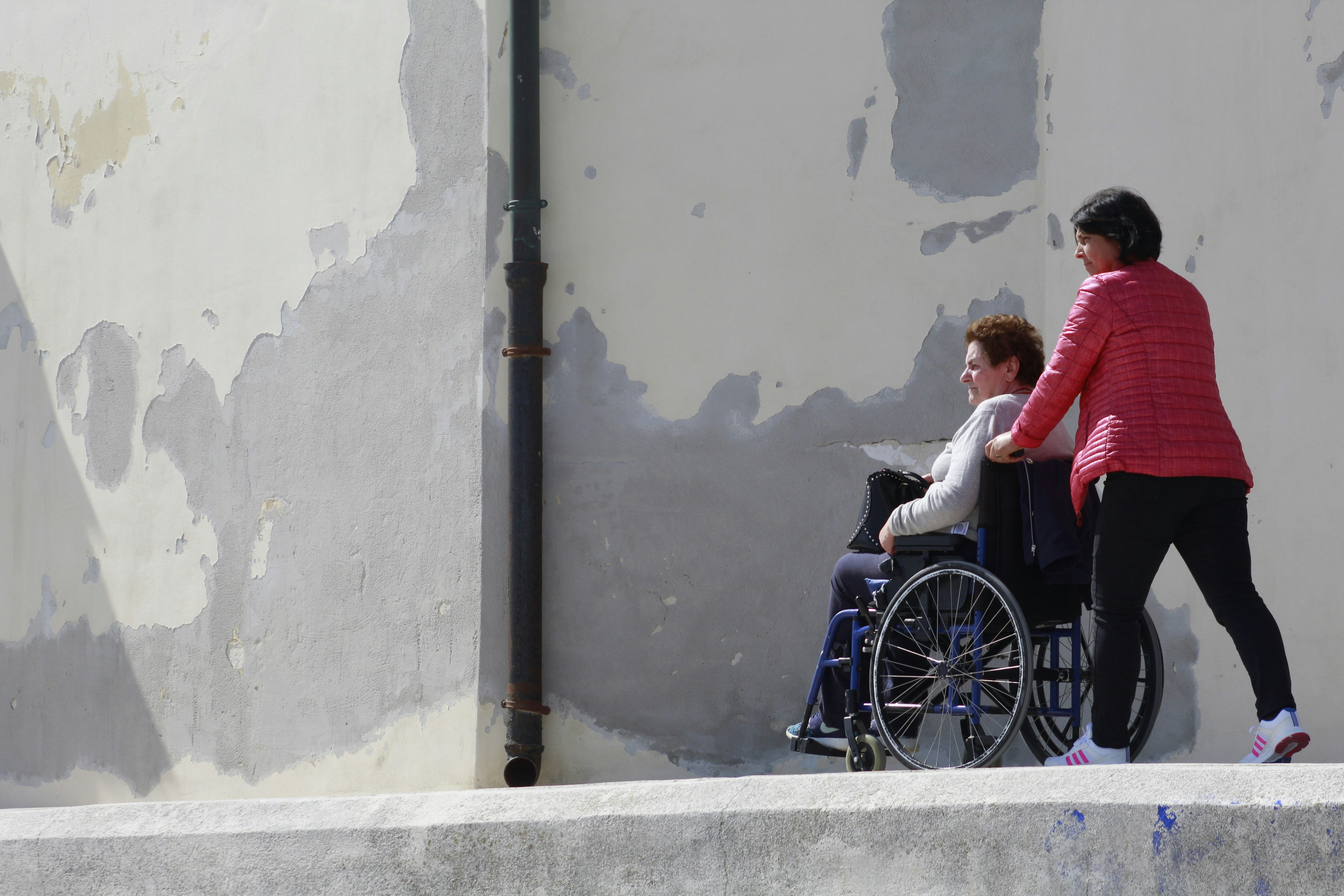
Credito de foto: EnabledHub archive
Ancho/profundidad
Presion y postura
Transporte y guardado
Que intenta resolver realmente esta familia
Las sillas de ruedas y los productos de asiento se eligen con demasiada frecuencia solo pensando en el transporte. En la practica, influyen en postura, presion, fatiga, participacion, manejo por parte del cuidador y en cuanto tiempo alguien puede funcionar con comodidad y seguridad.
Un mejor marco consiste en preguntar que debe sostener esta configuracion a lo largo de todo el dia, no solo como se mueve por un pasillo.
- Piensa primero en sistema de apoyo y despues en transporte
- La postura y la presion importan tanto como la movilidad
- Los objetivos de participacion deben marcar la configuracion
Que valorar antes de comparar opciones
Empieza por ancho y profundidad del asiento, apoyo del respaldo, necesidades de presion y como entra y sale la persona del asiento. Despues revisa transporte, almacenamiento, levantamiento por parte del cuidador y si la silla se usara dentro, fuera o en ambos entornos.
Las malas elecciones de silla suelen ocurrir cuando la comodidad del transporte se prioriza por encima de la postura, el ajuste o la compatibilidad con las transferencias.
- Dimensiones del asiento y apoyo postural
- Necesidades de manejo de la presion
- Altura de transferencia y compatibilidad de rutas
- Transporte en coche y exigencias de almacenaje
Lineas habituales de silla y asiento
Algunas configuraciones son mas ligeras y orientadas al transporte, mientras que otras priorizan apoyo, estabilidad y confort para usos prolongados. Los accesorios de asiento y las superficies de apoyo tambien pueden cambiar la eficacia del sistema completo.
La linea adecuada depende de si la prioridad principal es independencia, comodidad, postura, fatiga o manejo por parte de quien cuida.
- Sillas faciles de transportar para contextos mas simples o breves
- Configuraciones de mayor apoyo para postura y participacion prolongada
- Sistemas configurados en los que las superficies de apoyo cuentan tanto como la base
Cuando conviene replantear la via
Si la silla sirve para transportar pero no para mantener la postura, si las transferencias siguen siendo inseguras o si el manejo de la presion es insuficiente, la solucion no esta completa.
Una configuracion que parece practica sobre el papel puede fallar en la rutina real si no apoya comodidad, ajuste y consistencia del cuidador.
- No aceptes el exito en transporte como unica medida de exito
- Revisa de nuevo cuando cambie la postura o se amplien las metas de participacion
- Trata presion y posicionamiento como criterios centrales de seleccion