- **Risk assessment** — evaluate each individual's transfer needs and assign the right equipment and staffing level
- **Training** — every person involved in transfers should receive hands-on training with the specific equipment used
- **Maintenance** — inspect slings, lifts, and hardware regularly for wear, damage, and proper function
- **Reporting** — create a no-blame system for reporting near-misses and injuries so problems get addressed before they escalate
- **Policy** — establish clear guidelines for when manual lifting is and isn't acceptable
Ayudas de transferencia
Safe Patient Transfers and Handling: Protecting Both the Person and the Caregiver
Every day, millions of caregivers, therapists, and direct support professionals physically transfer people with disabilities — from bed to wheelchair, wheelchair to toilet, chair to car.
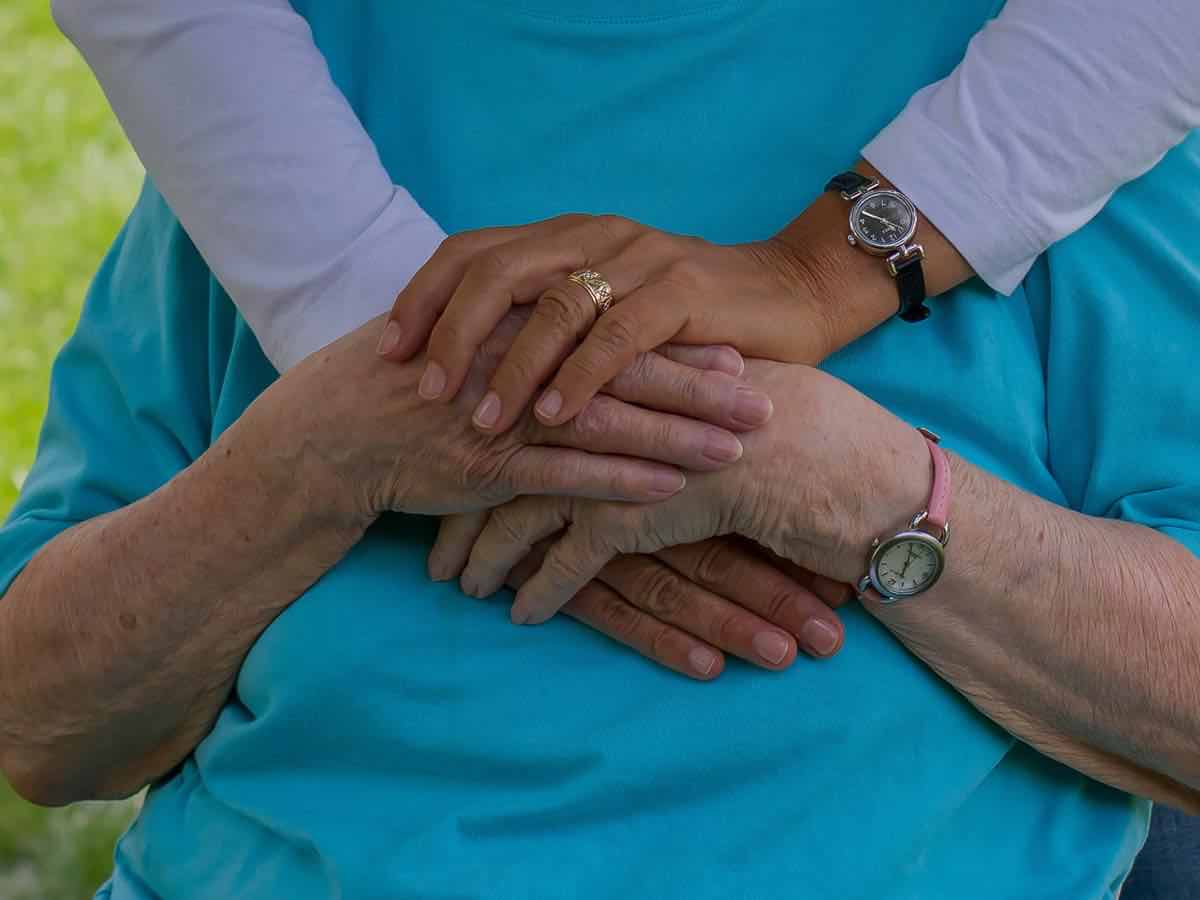
Credito de foto: EnabledHub archive
Puntos clave
**Risk assessment** — evaluate each individual's transfer needs and assign the right equipment and staffing level
**Training** — every person involved in transfers should receive hands-on training with the specific equipment used
**Maintenance** — inspect slings, lifts, and hardware regularly for wear, damage, and proper function
En esta pagina
Checklist rapido para cuidadores
Usa esta lista como referencia rapida antes de cada rutina de cuidado.
The Myths That Cause Injuries
Several persistent myths contribute to unsafe transfer practices:
**"Good body mechanics are enough."** They're not. Even with textbook lifting posture, the cumulative load of repeated transfers exceeds what the human spine can safely handle over time. Equipment isn't a sign of weakness — it's an engineering solution to a physics problem.
**"Manual lifting is better for the patient."** Research shows the opposite. Mechanical lifts and transfer devices provide smoother, more controlled movements than manual handling. Patients report feeling more secure, and the risk of skin shearing and joint injury decreases.
**"We don't have time for equipment."** The time cost of setting up a transfer device is minutes. The time cost of a caregiver injury is months of lost work, rehabilitation, and potential permanent disability. Prevention always costs less than recovery.
Types of Transfer Equipment
**Sit-to-Stand Lifts** help individuals who have some weight-bearing ability transition from sitting to standing. The person holds onto supports while the device provides lifting assistance. These are ideal for toilet transfers and bed-to-chair moves.
**Full-Body Sling Lifts** use a fabric sling to completely support the person during transfers. Ceiling-mounted and portable floor models are available. They're essential for individuals with no weight-bearing ability.
**Transfer Boards** are rigid or semi-flexible boards that bridge the gap between two surfaces. The person slides across rather than being lifted. They work well for individuals with good upper body strength and sitting balance.
**Transfer Belts** wrap around the person's waist, giving the caregiver secure handholds during guided transfers. They're simple, portable, and effective for people who need moderate assistance.
**Ceiling Track Systems** install permanently in a room, providing a smooth overhead track for sling-based transfers. They eliminate the need for floor space and reduce caregiver effort to near zero.
Building a Culture of Safety
Safe handling requires more than equipment — it requires organizational commitment:
- **Risk assessment** — evaluate each individual's transfer needs and assign the right equipment and staffing level
- **Training** — every person involved in transfers should receive hands-on training with the specific equipment used
- **Maintenance** — inspect slings, lifts, and hardware regularly for wear, damage, and proper function
- **Reporting** — create a no-blame system for reporting near-misses and injuries so problems get addressed before they escalate
- **Policy** — establish clear guidelines for when manual lifting is and isn't acceptable
Transfers as Therapy
In rehabilitation settings, transfers aren't just logistics — they're therapeutic opportunities. A guided sit-to-stand transfer practices weight-bearing, balance, and motor planning. A therapist-assisted pivot transfer builds lower extremity strength. When transfers are approached as functional training rather than just moving someone from point A to point B, every transition becomes a treatment session.
The Bottom Line
No one should get hurt during a routine transfer — not the person being moved, and not the person doing the moving. The right equipment, proper training, and a commitment to safety make every transfer better for everyone involved.
Investing in safe handling practices isn't an expense. It's the cost of doing this work responsibly.
Blog
Leer base de conocimiento