Cobertura en progreso
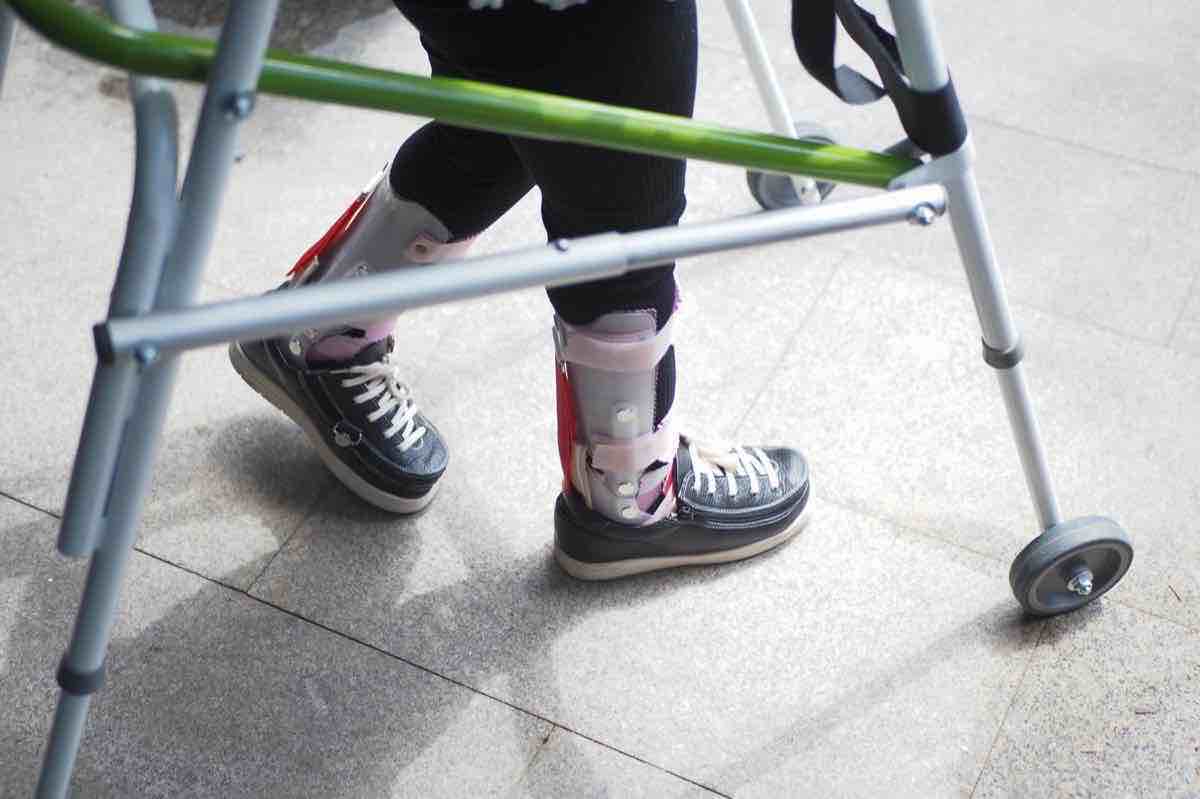
Entrenadores de marcha
Sistemas de marcha asistida para rutinas pediatricas y de rehabilitacion.
Soporte posterior o anterior, control del tronco y compatibilidad ortesica.
Cobertura en progreso
Bipedestadores
Sistemas de bipedestacion para posicionamiento y rutinas terapeuticas.
Prono, supino o multiposicion, tolerancia angular y ajuste del cuidador.
Cobertura en progreso
Carriolas pediatricas adaptadas
Carriolas especiales para transporte, postura y participacion.
Crecimiento, plegado para transporte y soporte postural.
Cobertura en progreso
CAA y comunicacion
Herramientas de comunicacion aumentativa y alternativa, desde acceso inicial hasta sistemas avanzados.
Metodo de acceso, complejidad del mensaje y apoyo terapeutico.
Cobertura en progreso
Interruptores adaptados
Interruptores de acceso para comunicacion, juego y control del entorno.
Fuerza de activacion, montaje y progresion funcional.
Cobertura en progreso
Asientos adaptados pediatricos
Sistemas de asiento pediatricos para postura, alimentacion, aprendizaje y participacion.
Soporte pelvico, profundidad, laterales y crecimiento.
Cobertura en progreso
Ayudas de posicionamiento
Cuñas, cilindros y apoyos para postura, juego y terapia.
Eleccion de forma, angulo y objetivo de posicionamiento.
Cobertura en progreso
Herramientas sensoriales
Herramientas de regulacion sensorial para calma y participacion.
Tipo de estimulo, duracion, supervision y entorno.