Knowledge
Why Adaptive Equipment Maintenance Matters — and How to Do It Right
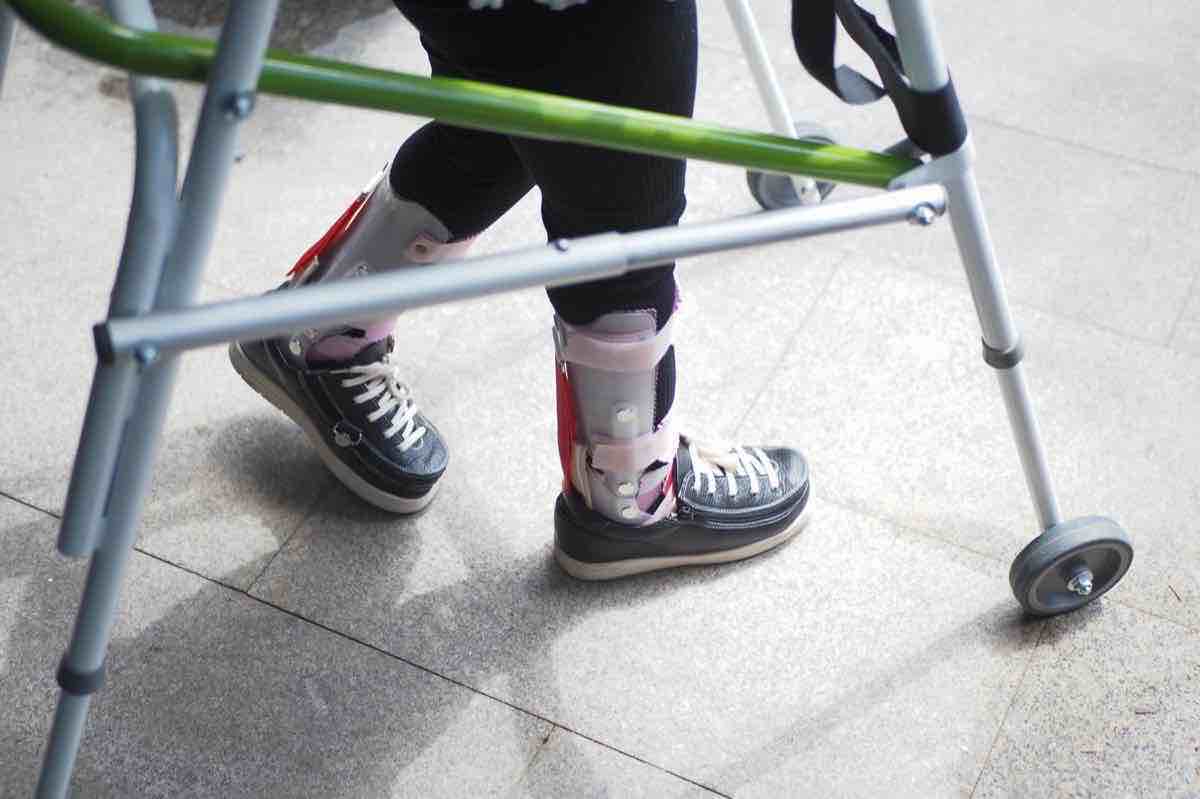
Adaptive equipment is a lifeline.
Photo credit: EnabledHub archive
Jan 1, 20263 min
The Cost of Neglect
Many pieces of adaptive equipment are expensive and require approval for purchase and repair. A wheelchair that isn't regularly cleaned develops corrosion. A hearing aid that isn't dried nightly loses function. An AFO with a cracked strap becomes a fall hazard. Routine maintenance isn't optional — it's essential.
Universal Maintenance Principles
Regardless of the device, these principles apply across the board:
**Clean regularly.** Most equipment can be wiped down with mild soap and a damp cloth. Mealtime utensils go in the dishwasher. Hearing aids need a nightly desiccant routine. Wheelchairs get a monthly deep clean.
**Inspect weekly.** Check for cracks, loose screws, worn rubber tips, frayed straps, and corroded battery contacts. Small problems caught early stay small.
**Store properly.** Dentures go in water. AFOs go in the closet with shoes. Canes stand upright near the bed. Communication devices stay with the user. Proper storage extends the life of every device.
**Report problems immediately.** Document the date, the nature of the problem, and who was notified. Follow up until the issue is resolved.
Device-Specific Tips
**Wheelchairs:** Check tire pressure, tighten bolts (except the crossbrace pin), and lubricate flex points with silicone spray — never petroleum oil.
**Hearing Aids:** Use a desiccant kit nightly, replace batteries before they die completely, and keep the device away from moisture and hair products.
**Walkers:** Replace worn rubber tips promptly, clean weekly with antibacterial wipes, and dry thoroughly to prevent rust.
**Communication Devices:** Keep batteries charged, clean screens with microfiber only, and turn off when not in use.
Everyone's Responsibility
Maintenance isn't just one person's job. The user, caregivers, direct support professionals, therapists, and supervisors all share responsibility. Whenever possible, teach the person who uses the device how to inspect and clean it themselves — that's empowerment in action.
Well-maintained equipment doesn't just last longer. It keeps people safe, active, and living life on their own terms.