Accessibility toolsAdjust readability and motion

Knowledge guides

Find the right path first, then read the guidance that matches it.

Use the guide center to move from condition and care scenario to family guides, category hubs, and practical articles without losing the real-life context.

Condition-led guidanceFamily-level playbooksCategory content hubsMultilingual reading paths

Knowledge guides

Family playbooks

Practical reading for caregivers, families, clinicians, and support teams.

Family guide

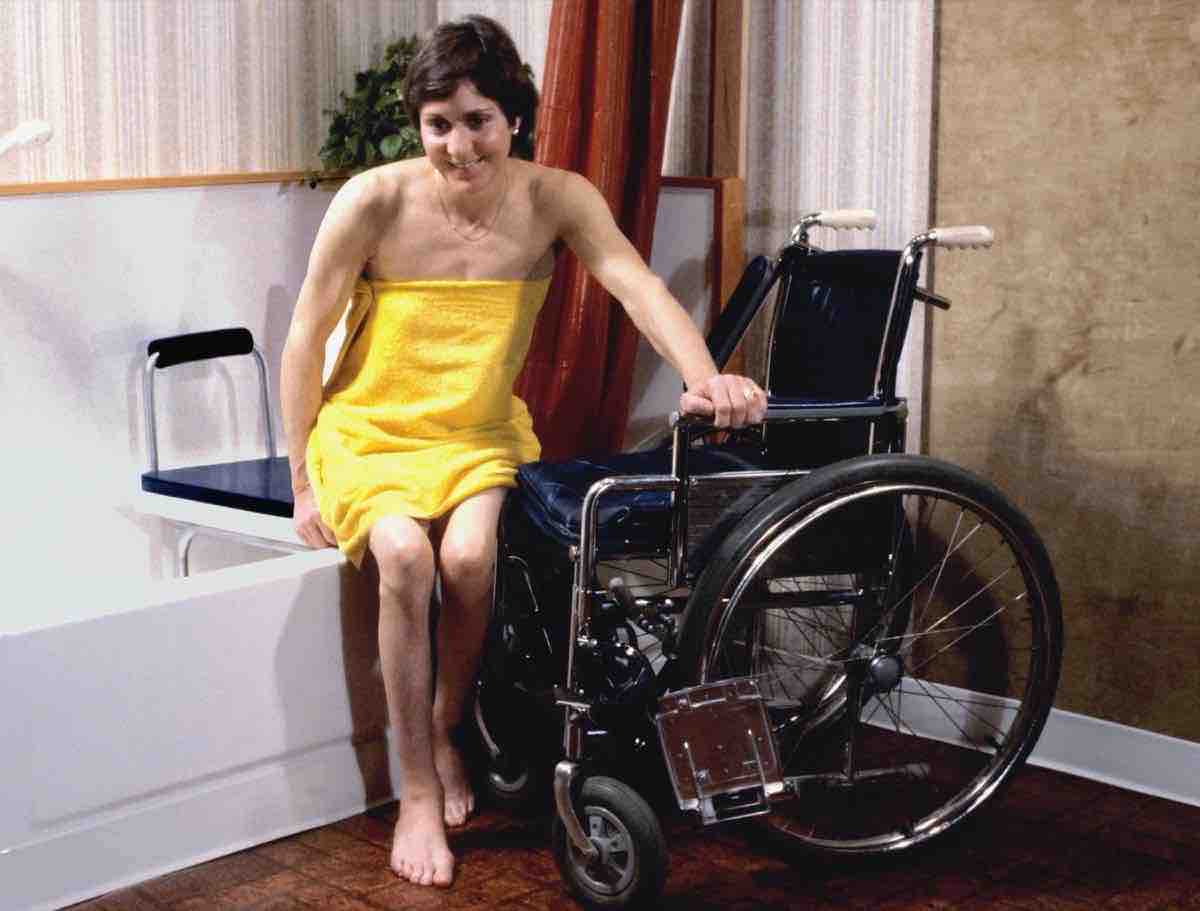
Shower chairs and commodes

Choose based on transfer pattern, access under counters or toilets, and whether hygiene is completed in one station.

Useful when a single setup needs to cover bathing, toileting, and drying workflow.

  • Seat opening and hygiene access
  • Caster and brake quality
  • Foot support placement

Mobility family

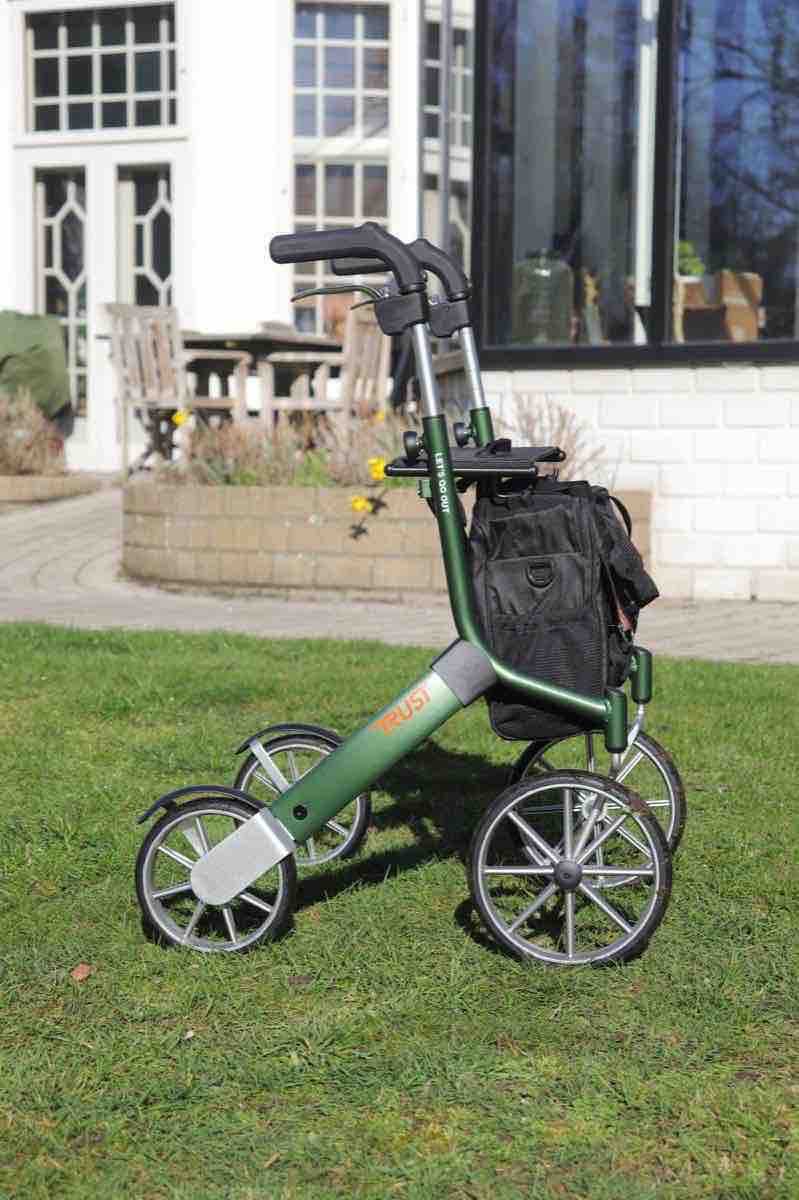
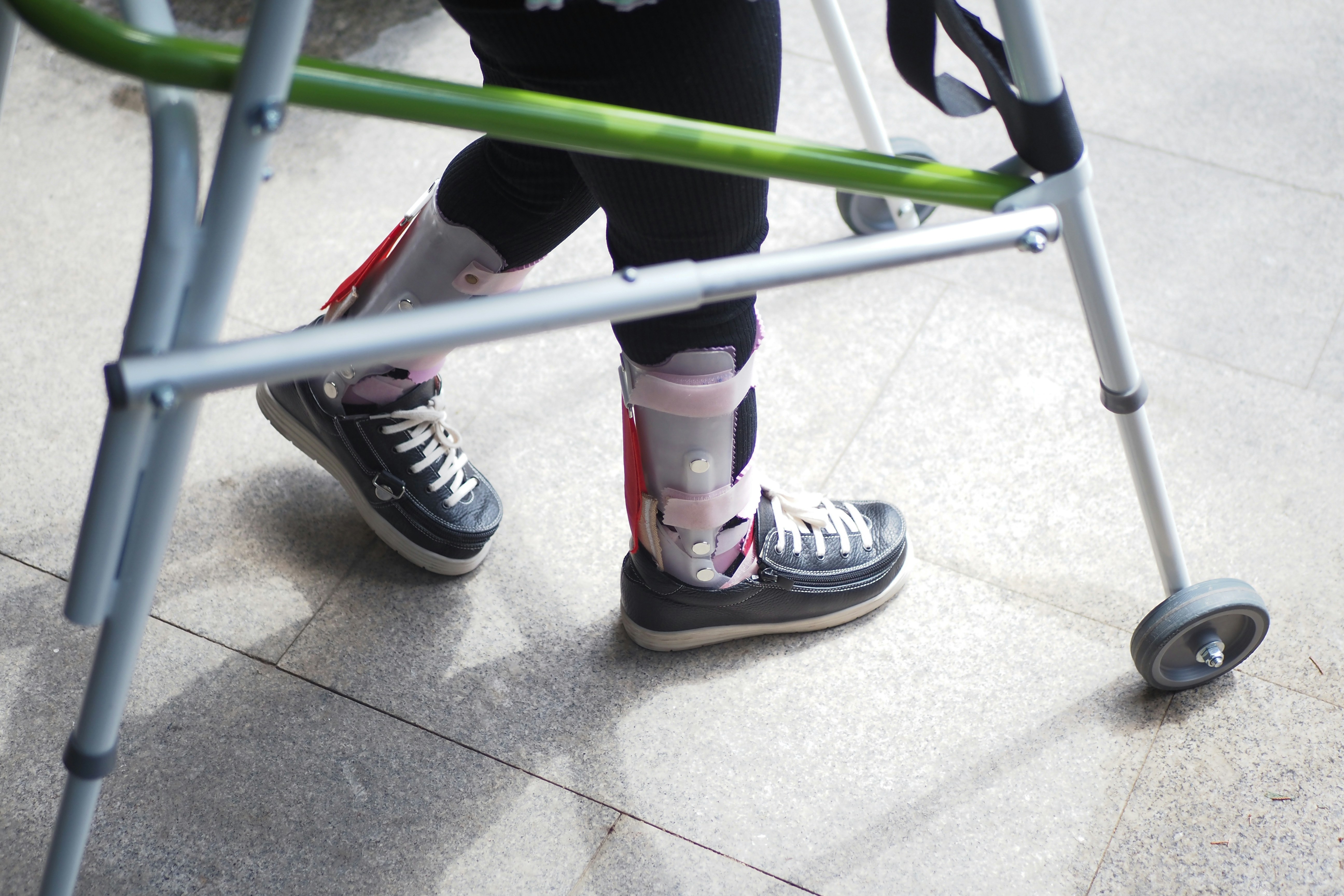
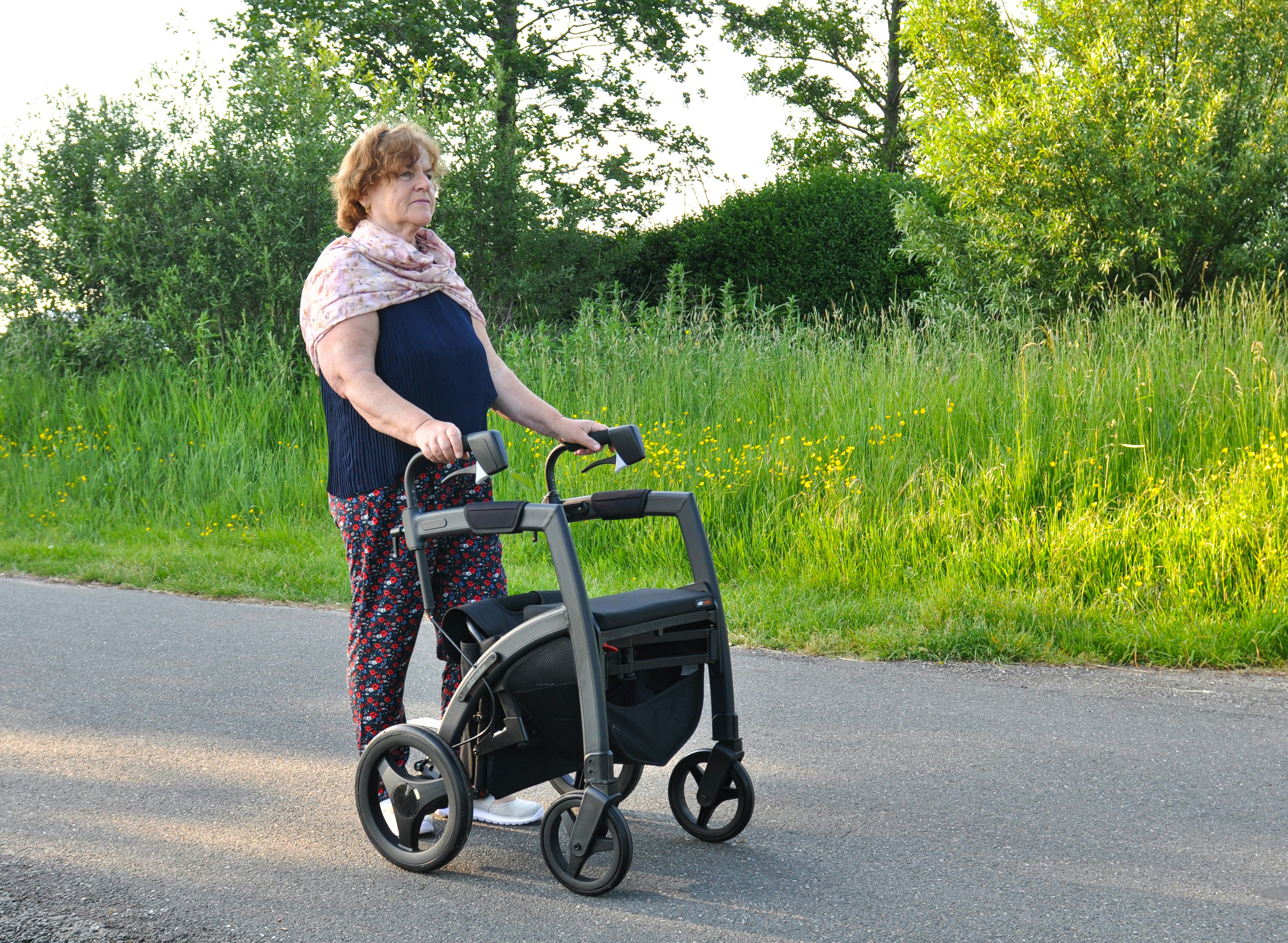
Rollators and supported walking

Compare transport weight, brake confidence, folded footprint, and where the device spends most of the day.

Best for users who still walk but need consistency, endurance support, and storage for daily routines.

  • Indoor turning radius
  • Outdoor terrain
  • Car loading weight

Positioning matters

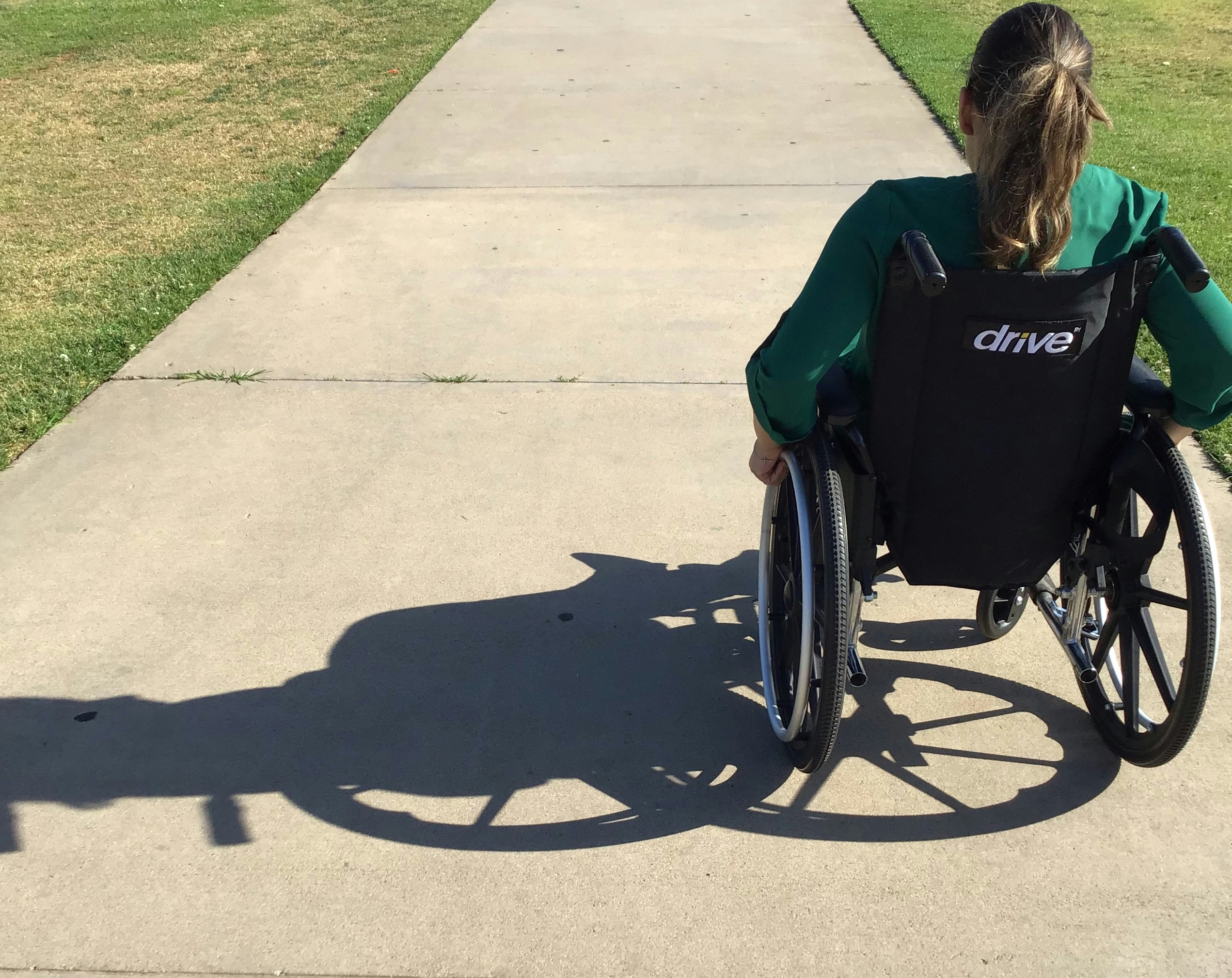
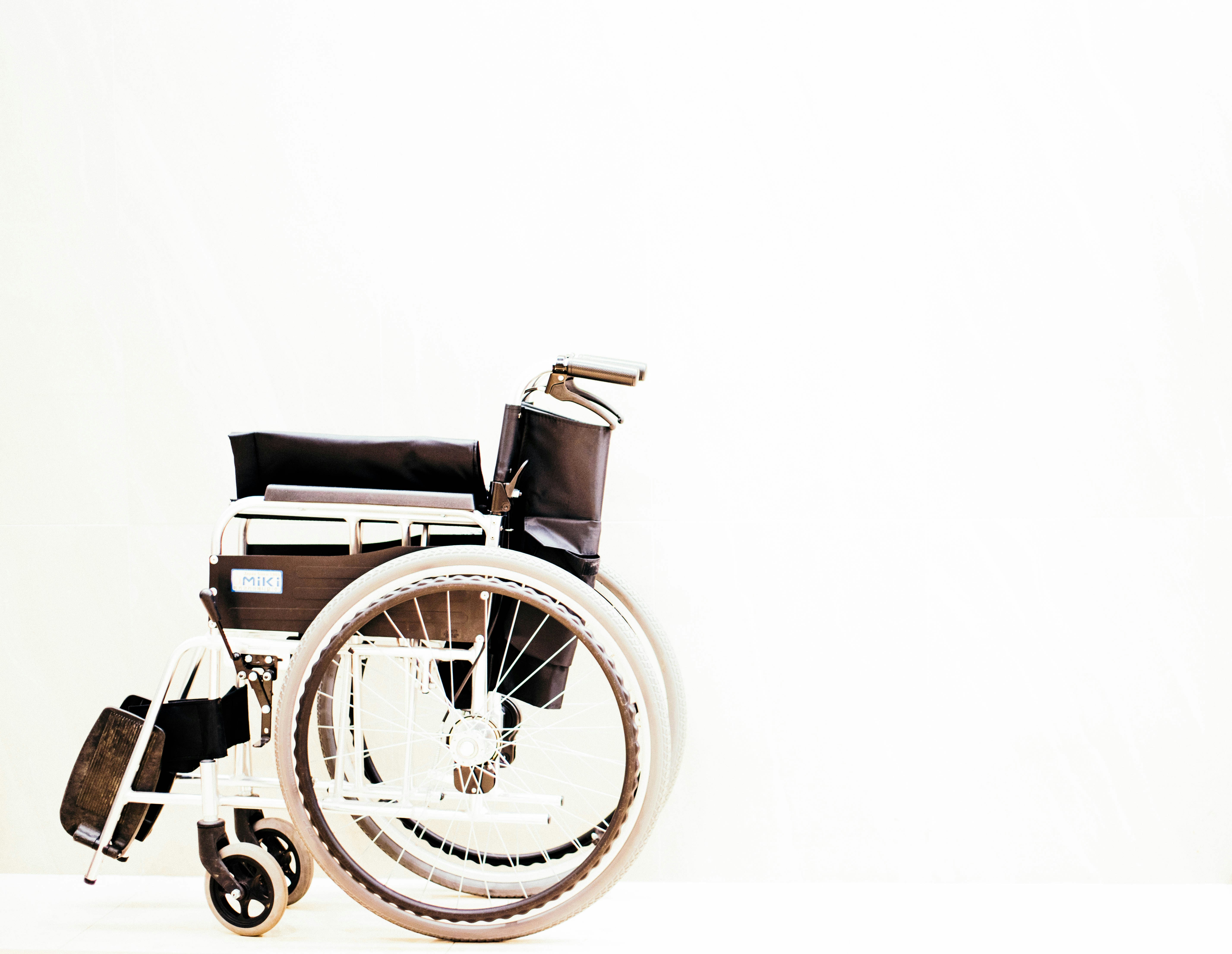
Wheelchairs and seating support

Look beyond transport: seat depth, lateral support, propulsion needs, and transfer height drive good fit.

Best when posture, fatigue, and caregiver transfer requirements are all part of the buying decision.

  • Seat width/depth
  • Pressure and posture support
  • Transport and storage

Caregiver workflow

Transfer turners and standing support

Choose by participation level, room clearance, and whether you need pivot help or a full lifting pathway.

Best for repeated bed-chair-toilet routes where caregiver strain is the core problem to solve.

  • Base footprint
  • User participation
  • Brakes and support points

Higher-support family

Beds, mattresses, and overnight care

Match pressure risk, repositioning routine, and room layout before comparing mattress specs.

Useful when night-time care, turning schedule, and transfer height all affect safety.

  • Pressure profile
  • Bed height
  • Power and backup plan

Conditions

Browse by condition or recovery scenario

Condition pages, category hubs, and multilingual guides that clarify the next step.

Categories

Expanding coverage next

These knowledge lanes are mapped in the taxonomy and content system. We are expanding guides and reference coverage here next.

Coverage in progress

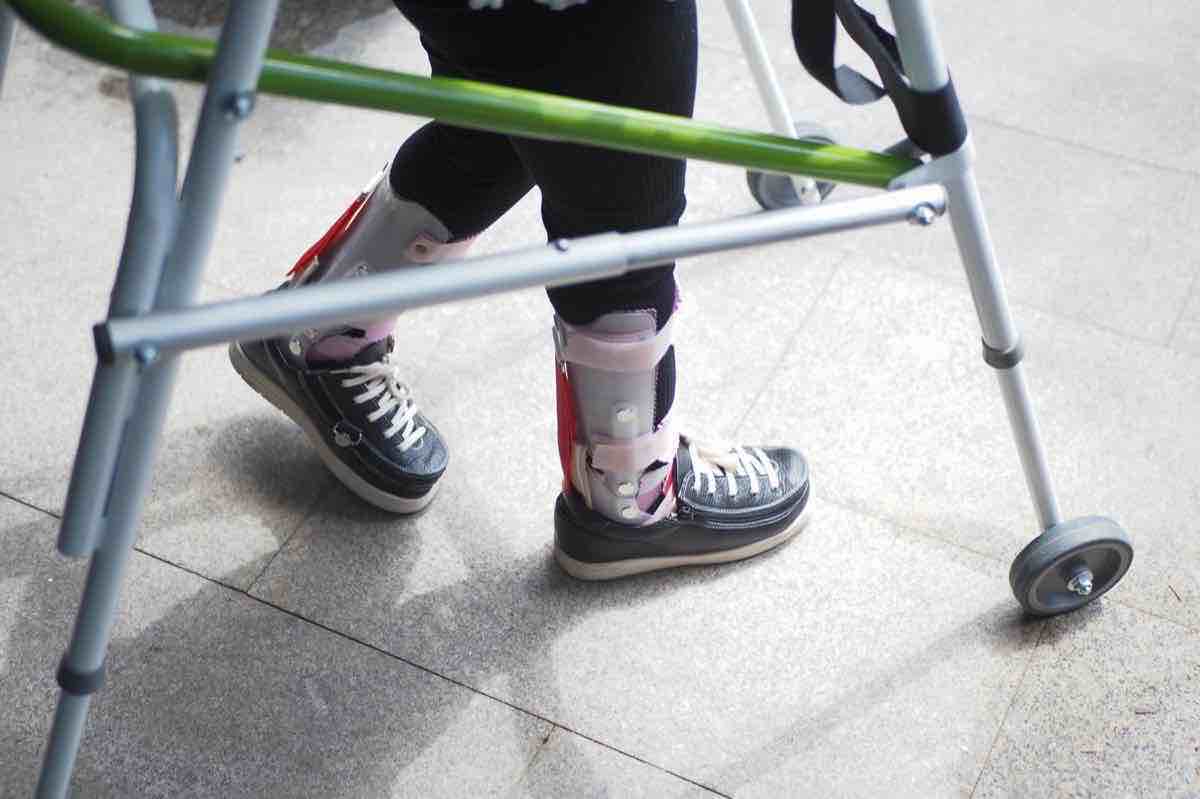
Gait Trainers

Supported walking systems for paediatric and rehabilitation routines where posture, endurance, and guided movement all matter.

Posterior vs anterior support, trunk control, orthotic compatibility, and route goals.

Coverage in progress

Standers

Standing systems for positioning, loading, participation, and daily therapy routines.

Prone vs supine vs multi-position standing, angle tolerance, and caregiver setup.

Coverage in progress

Paediatric Strollers

Special-needs strollers and pushchairs for transport, posture, and community participation.

Growth, transport folding, seating support, and when a stroller is better than a wheelchair.

Coverage in progress

AAC & Communication

Augmentative and alternative communication tools from early switches to more advanced speech systems.

Access method, message complexity, vocabulary path, and caregiver or therapist support.

Coverage in progress

Adaptive Switches

Access switches and switch-enabled control tools for communication, play, and environment access.

Activation force, mounting, access site, and progression from cause-effect to more functional control.

Coverage in progress

Adaptive Seating (Paediatric)

Paediatric seating systems for posture, feeding, learning, and participation across home and school.

Pelvic support, seat depth, laterals, growth, and task-based positioning.

Coverage in progress

Positioning Aids

Wedges, bolsters, rolls, and support shapes for posture, play, therapy, and rest.

Shape choice, angle, positioning goal, and how the support is used inside a routine.

Coverage in progress

Sensory Tools

Sensory regulation tools for calm, engagement, and participation across home, school, and therapy.

Input type, duration, supervision needs, and matching tool choice to environment.
Knowledge guides

Guide library

Practical reading for caregivers, families, clinicians, and support teams.

Categories

Browse by category hub

Condition pages, category hubs, and multilingual guides that clarify the next step.

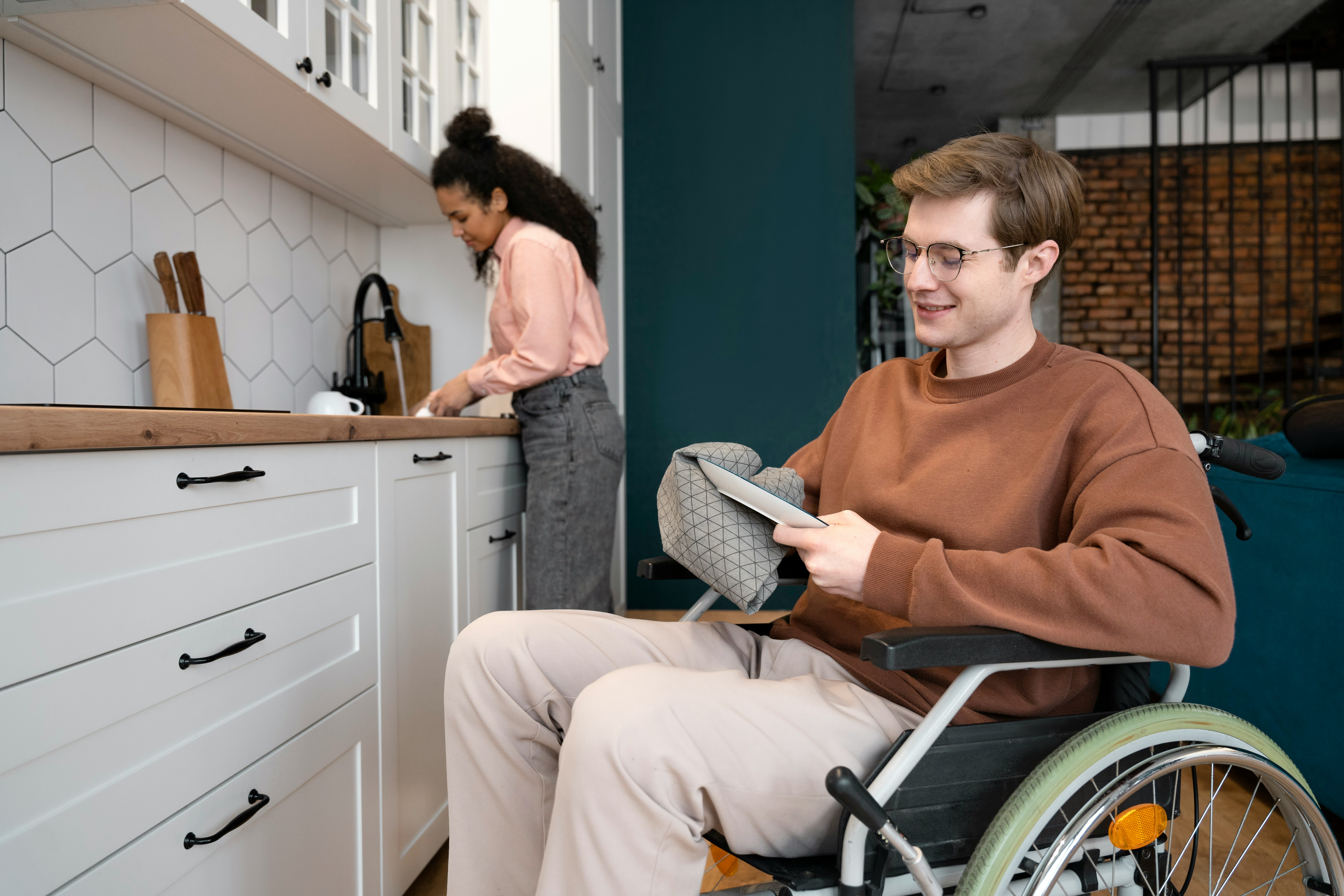
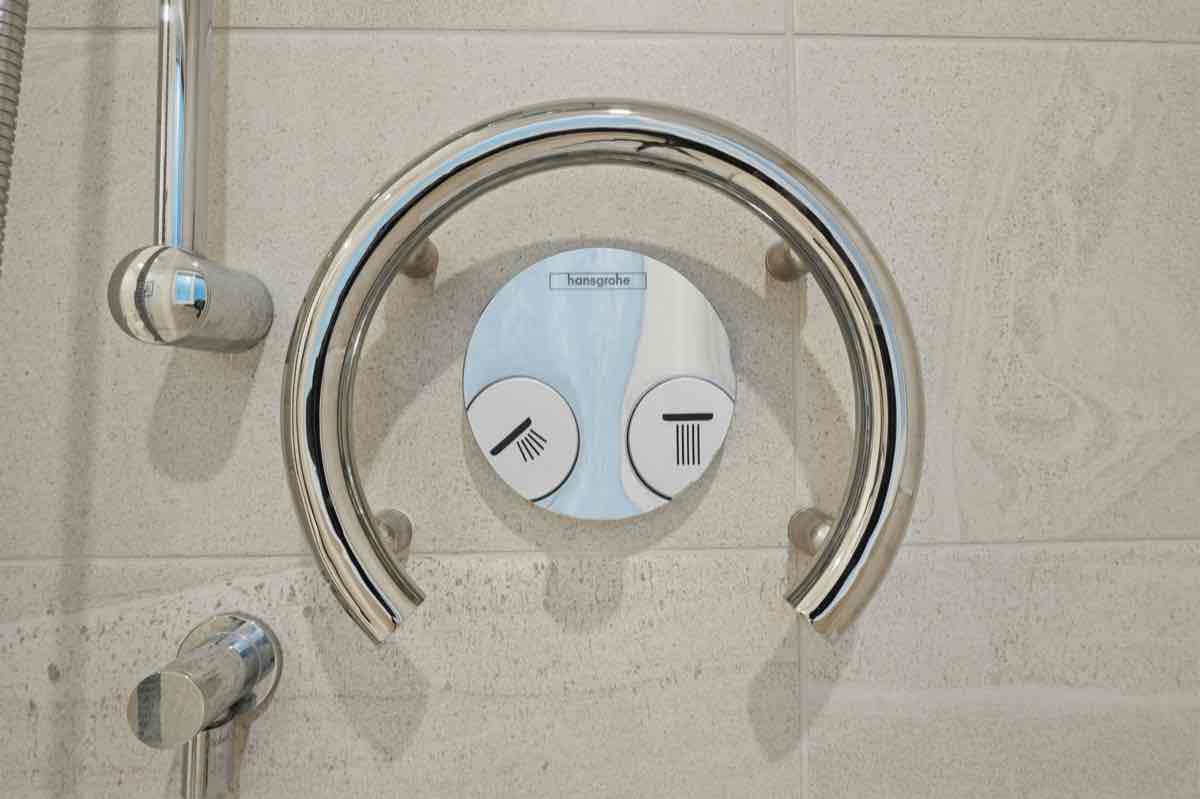
Wheelchair user in an accessible home setting
Expansion lane

Learning & Daily Living

Guidance-first coverage for future expansion into adaptive learning, routines, and fine-motor support.