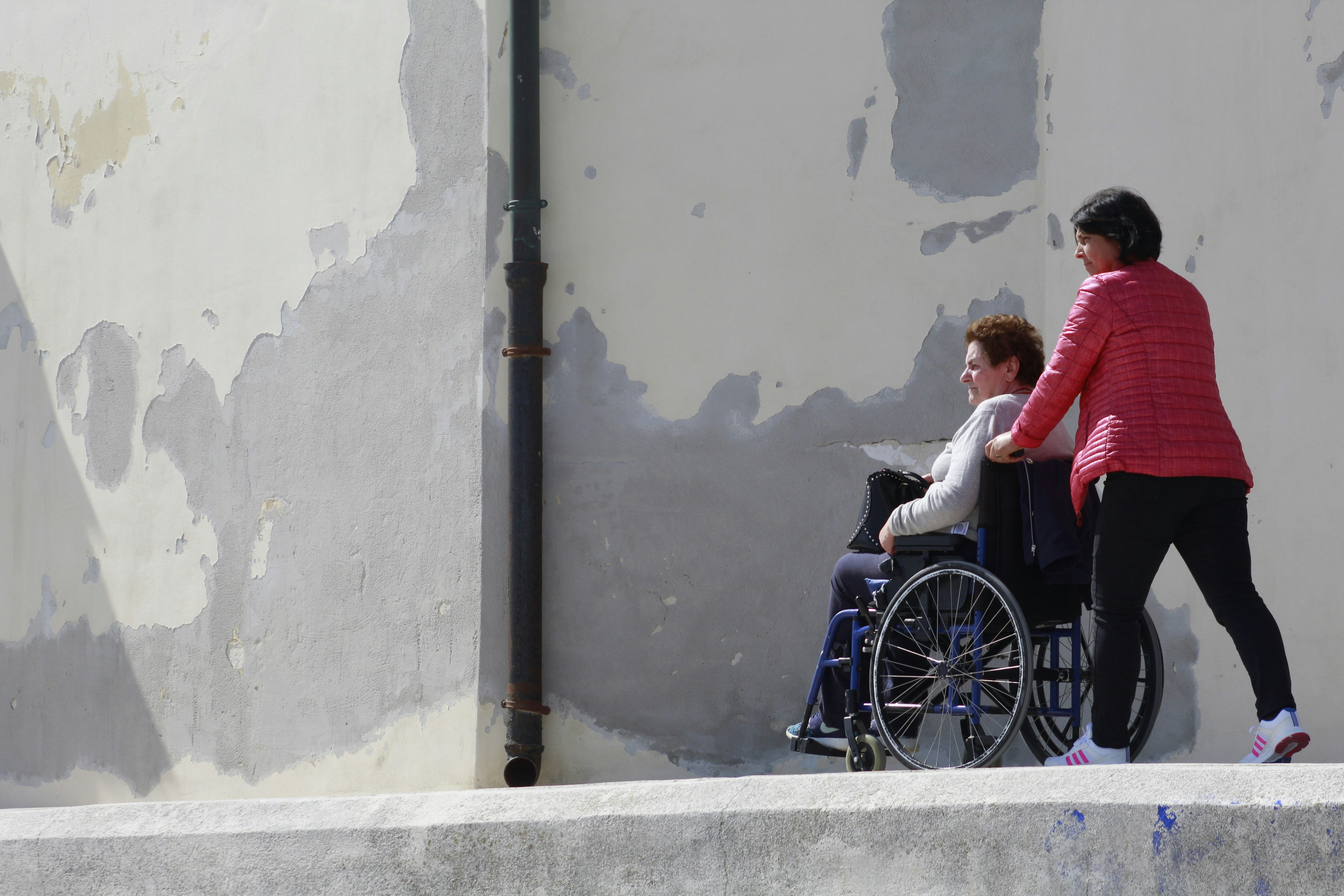
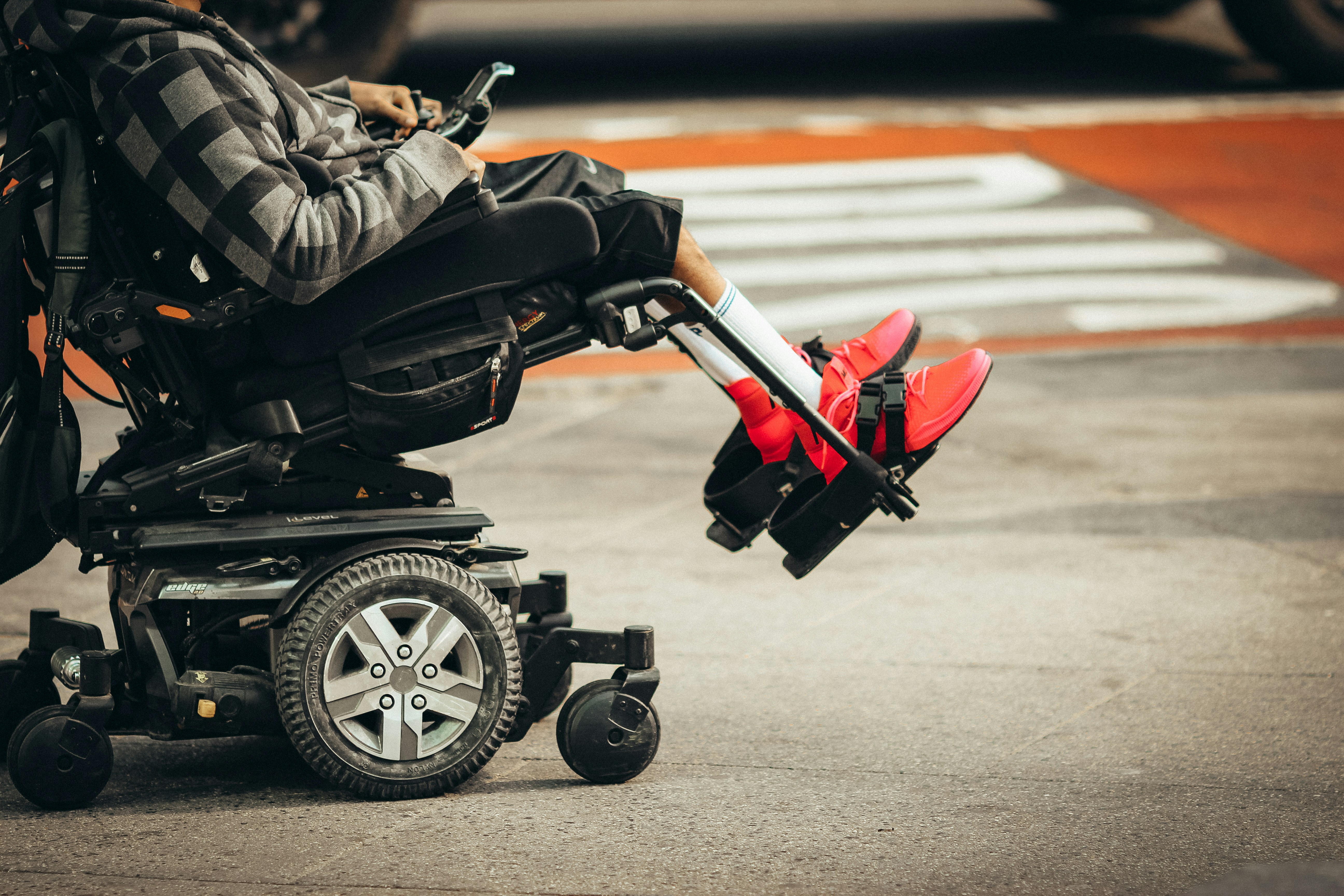
How cerebral palsy changes equipment priorities around posture, growth, participation, and daily support.
Equipment decisions for cerebral palsy usually depend on posture, growth, contracture risk, participation goals, transport realities, and how much adjustability is needed over time.
Photo credit: EnabledHub archive
On This Page
Why posture and growth matter so much
With cerebral palsy, equipment choices often need to do more than simply move someone from A to B. They may need to support posture, reduce effort, improve participation, and accommodate change over time.
That makes fit, adjustability, seating strategy, and long-term setup much more important than quick one-feature comparisons.
Support should match posture as well as mobility.
Growth and long-term adjustability matter early.
Participation goals should shape the equipment lane.
What to assess before buying
Start with posture and support needs in sitting, standing, and transfers. Then check transport requirements, home and school environments, caregiver setup time, and whether the product will still be usable after growth or therapy changes.
For many families, the real decision is not one product but how seating, mobility, and handling solutions fit together.
Seat depth, lateral support, and head/trunk needs
Home, school, and transport compatibility
Growth allowance without over-sizing
Caregiver setup and loading demands
Common support lanes
Wheelchairs and seating systems are often central, but many routines also benefit from supported walking options, transfer help, and daily-living guidance that reduces friction for carers and users alike.
The right mix depends heavily on the participation goal: home comfort, school access, mobility training, or daily transfers.
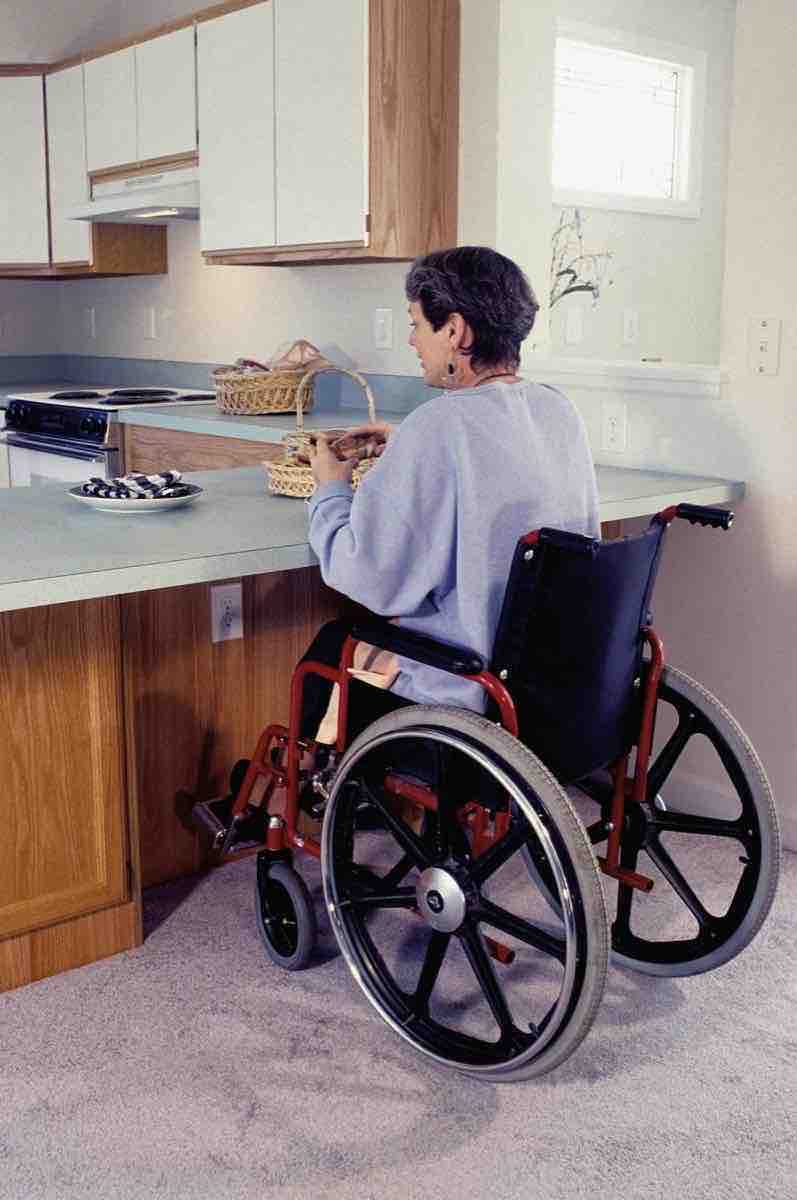
Wheelchairs and seating support for posture and participation
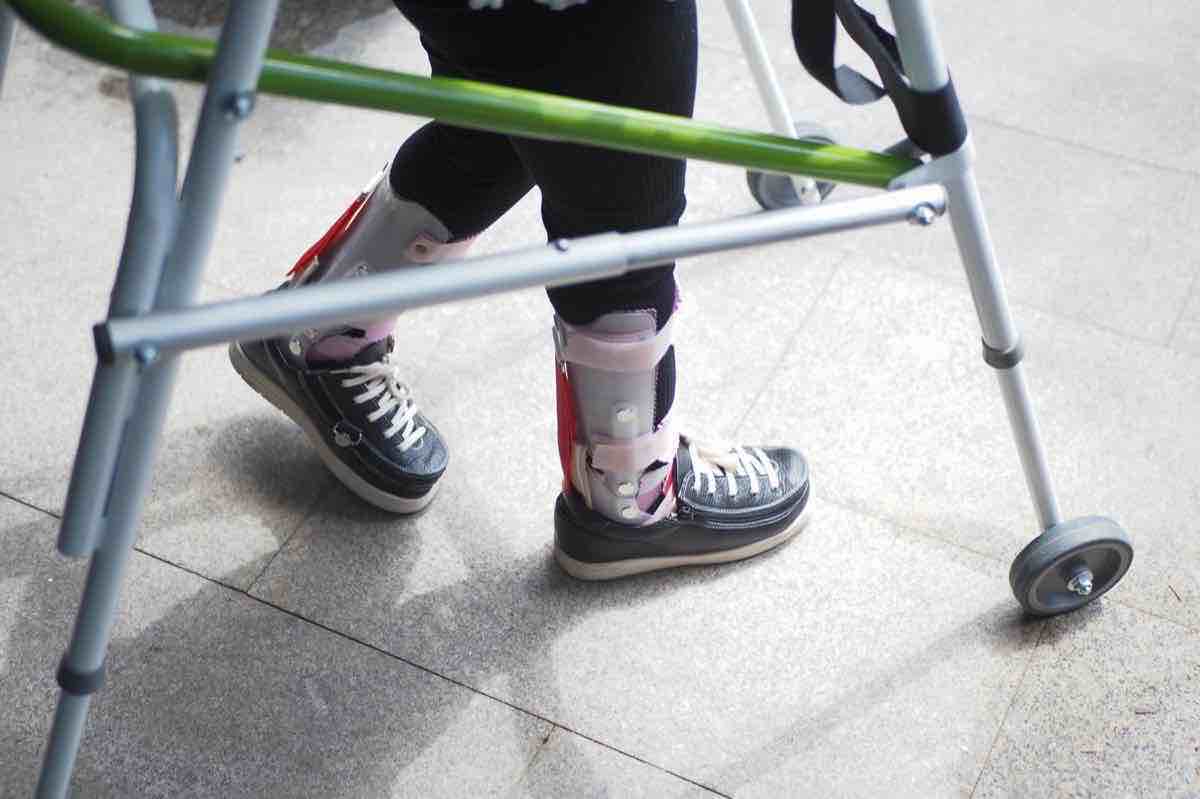
Supported walking devices where gait practice or route access matters
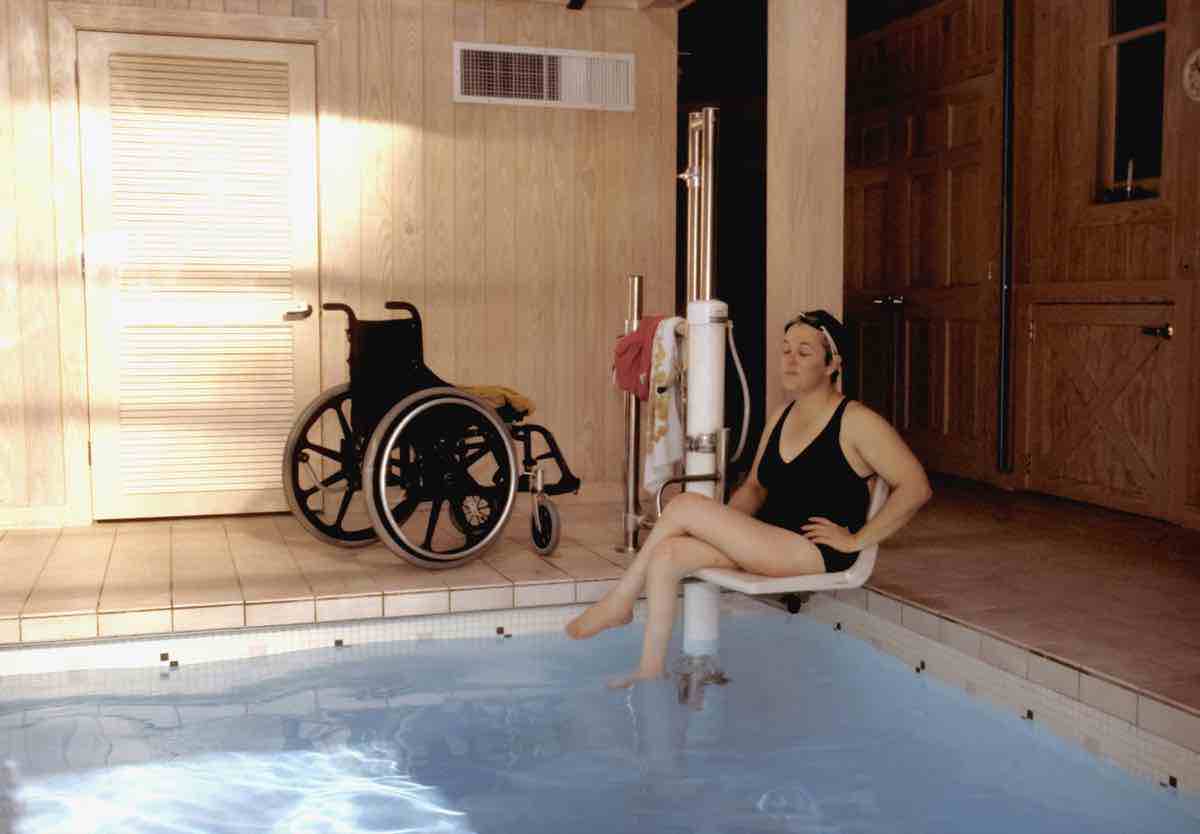
Transfer support when caregiver load or safety becomes the limiting factor
Decision mistakes to avoid
Avoid choosing purely by age band, trend, or a single clinical label. Two users with the same diagnosis can need very different equipment depending on tone, posture, endurance, handling needs, and environment.
Whenever possible, compare options in the context of real routines and real spaces rather than isolated product claims.
Do not prioritize compactness over support quality
Avoid over-buying without a clear participation goal
Treat transport and caregiver workflow as core selection criteria
Relevant content hubs
Condition pages, category hubs, and multilingual guides that clarify the next step.
Browse by use case
Mobility & Walking
Rollators, wheelchairs, and everyday mobility tools for home, school, and community routes.
Rollators and walkers are most helpful when someone still walks, but needs more consistency, pacing, braking confidence, or support to complete daily routes safely.
Transfer turners and standing-support devices are most useful when repeated bed-chair-toilet routes are the real bottleneck and caregiver strain needs to come down.
Base footprint
User participation
Brakes and support points
Relevant articles
Practical reading for caregivers, families, clinicians, and support teams.