How to choose supportive equipment when the goal is reducing falls at home and across daily routines.
Fall-prevention equipment decisions work best when they focus on the highest-risk transitions first: standing up, bathroom access, night-time movement, and route confidence inside the home.
Why fall prevention needs a routine-based approach
The most effective fall-prevention equipment is rarely the most complicated. It is the equipment that makes the riskiest transitions more stable and easier to repeat every day.
That usually means focusing on getting up, walking indoors, managing the bathroom, and moving safely at night rather than buying around a single generic 'fall prevention' label.
Map where the last near-misses happened.
Look at time of day, fatigue, lighting, and surface conditions.
Choose equipment around real transitions, not abstract risk.
What to assess first
Start with the person’s main routes: bed to toilet, chair to kitchen, hallway turns, and shower access. Then check seat heights, grab/support points, walking confidence, and whether the user needs prompting or hands-on help.
The goal is to identify where stability breaks down, not just where walking looks slow.
Sit-to-stand reliability
Night-time route safety
Bathroom slip and transfer risk
Need for walking support indoors versus outdoors
Most relevant equipment families
The biggest wins often come from walkers or rollators, bathroom support, and bedroom or overnight setup changes where the person is most vulnerable.
These solutions work best when chosen together, so heights, braking, support points, and route design all make sense as one system.
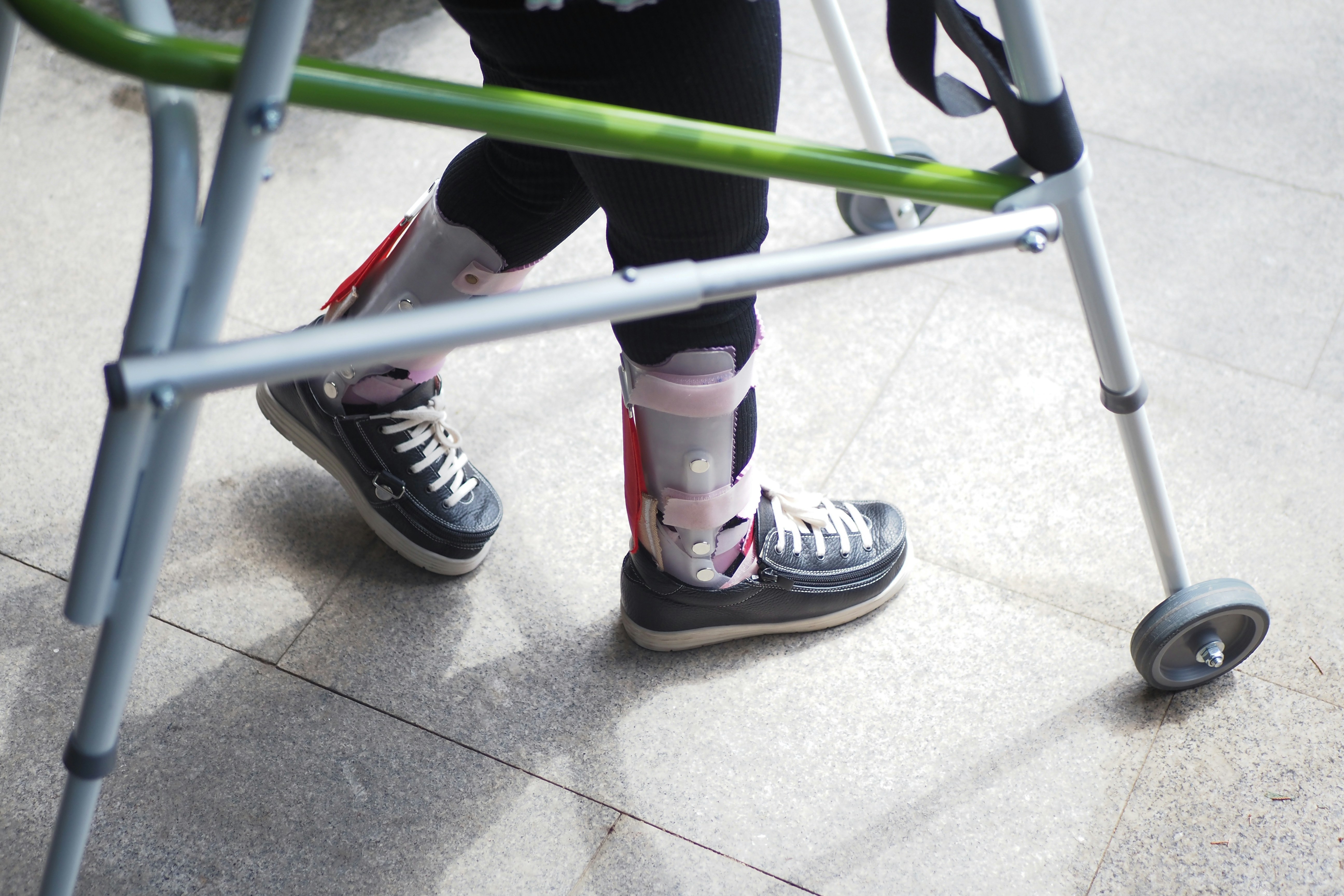
Rollators and walkers for route confidence and pacing
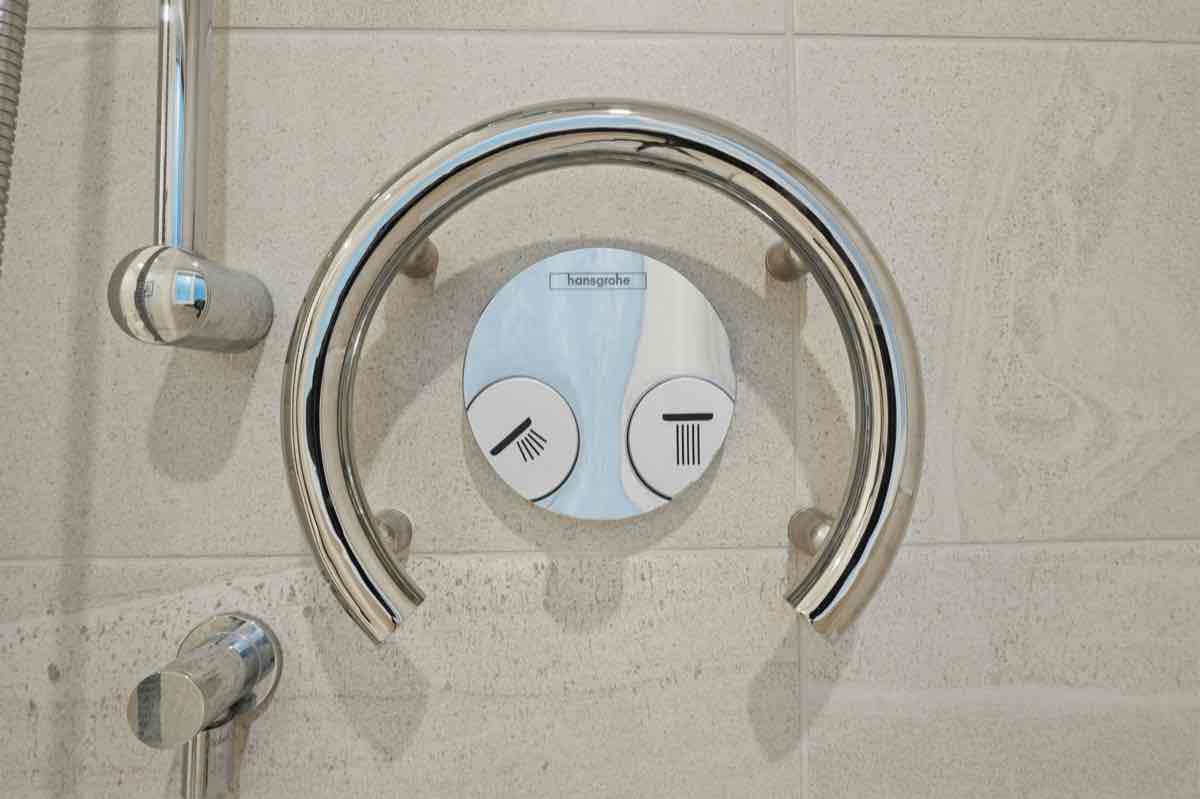
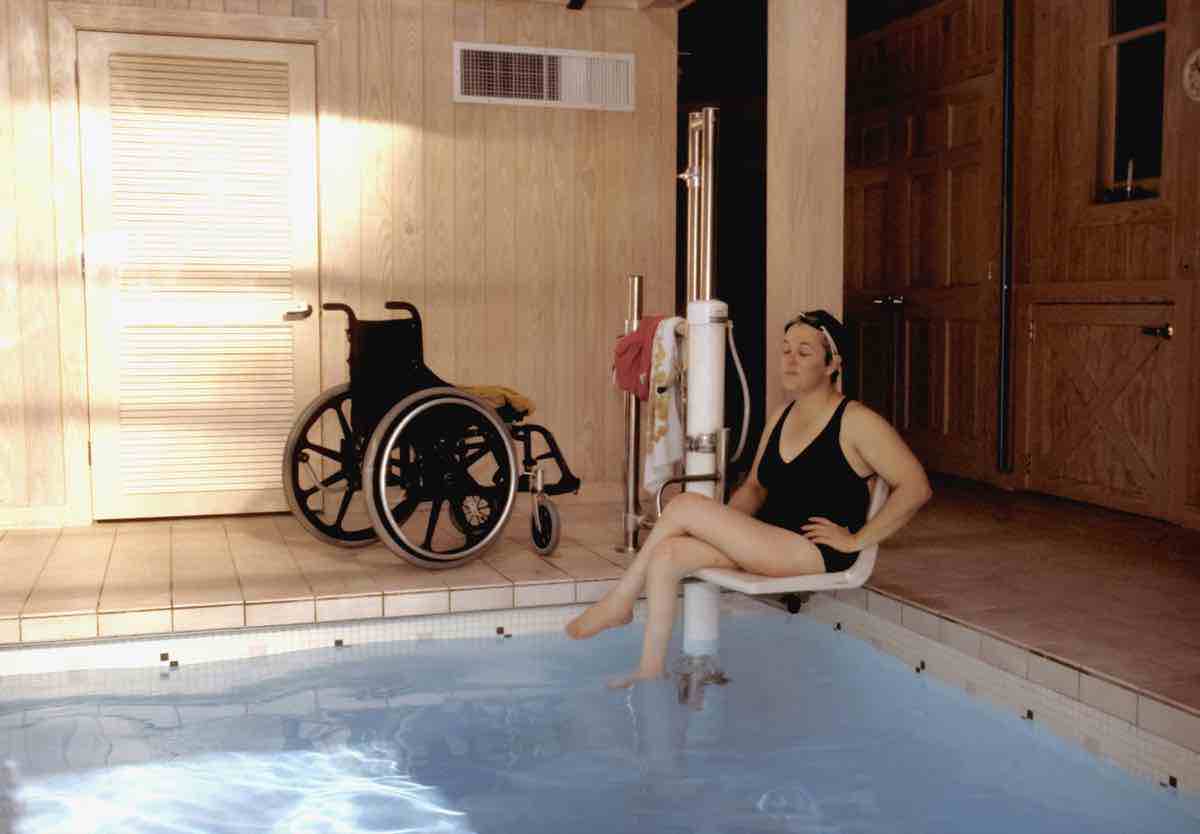
Bathroom support for toileting and shower safety
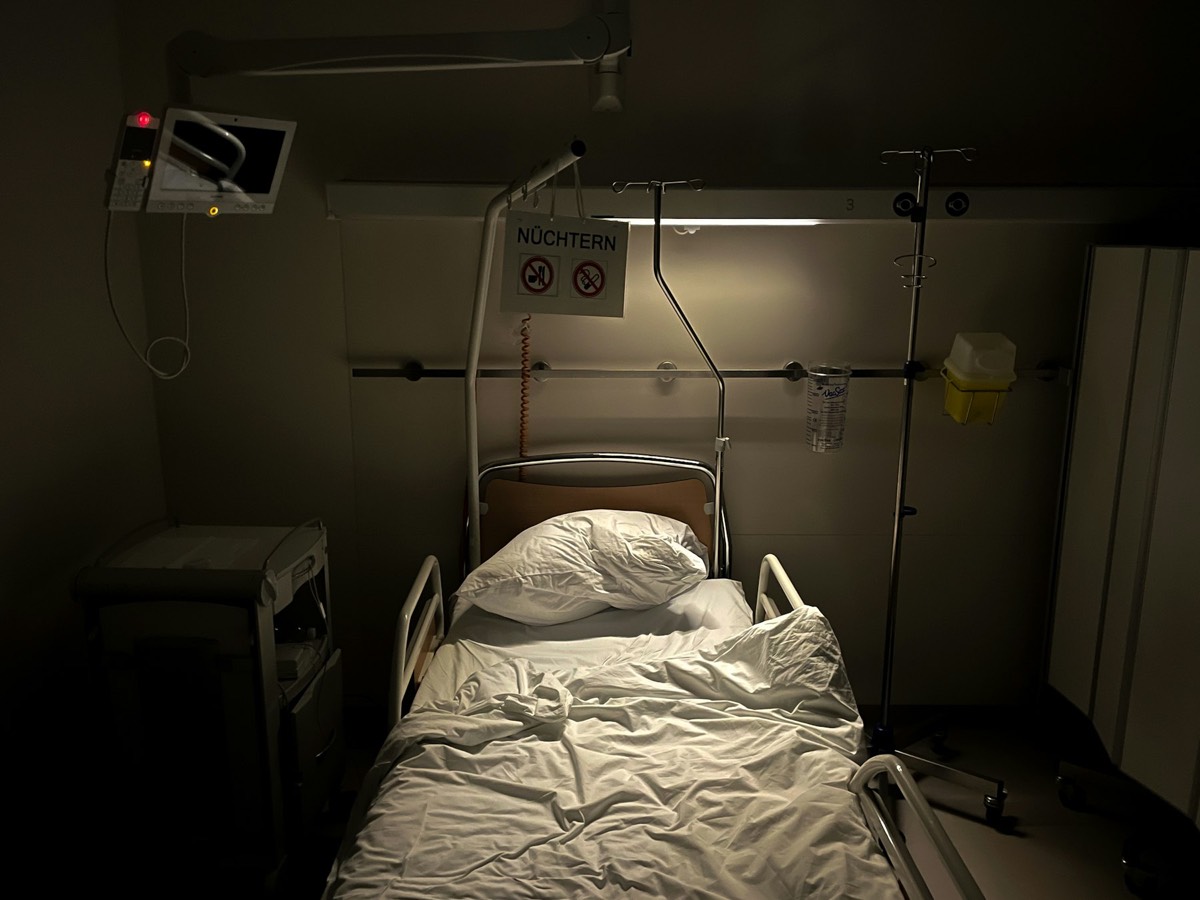
Beds or overnight support when night-time transfers are risky
How to make the setup stick
Equipment only prevents falls if it is easy to use every day. If it is hard to reach, awkward to position, or feels unstable, people stop using it.
Keep the system simple, visible, and aligned to the routines that happen most often.
Keep frequently used support in the same place every time
Avoid cluttering routes with too many overlapping aids
Check fit again after any change in strength or confidence
Relevant content hubs
Condition pages, category hubs, and multilingual guides that clarify the next step.
Popular department
Bathing & Toileting
Bath lifts, shower commodes, grab bars, and toilet support with transfer-first guidance.
Rollators and walkers are most helpful when someone still walks, but needs more consistency, pacing, braking confidence, or support to complete daily routes safely.
Beds, mattresses, and overnight support become critical when transfers, repositioning, pressure care, or night-time safety are limiting the whole household routine.
Pressure profile
Bed height
Power and backup plan
Relevant articles
Practical reading for caregivers, families, clinicians, and support teams.