Caregiver workflow
Transfer turners and standing support
Transfer turners and standing-support devices are most useful when repeated bed-chair-toilet routes are the real bottleneck and caregiver strain needs to come down.
Choose by participation level, room clearance, and whether you need pivot help or a full lifting pathway.
Photo credit: EnabledHub archive
Base footprint
User participation
Brakes and support points
Who this family is for
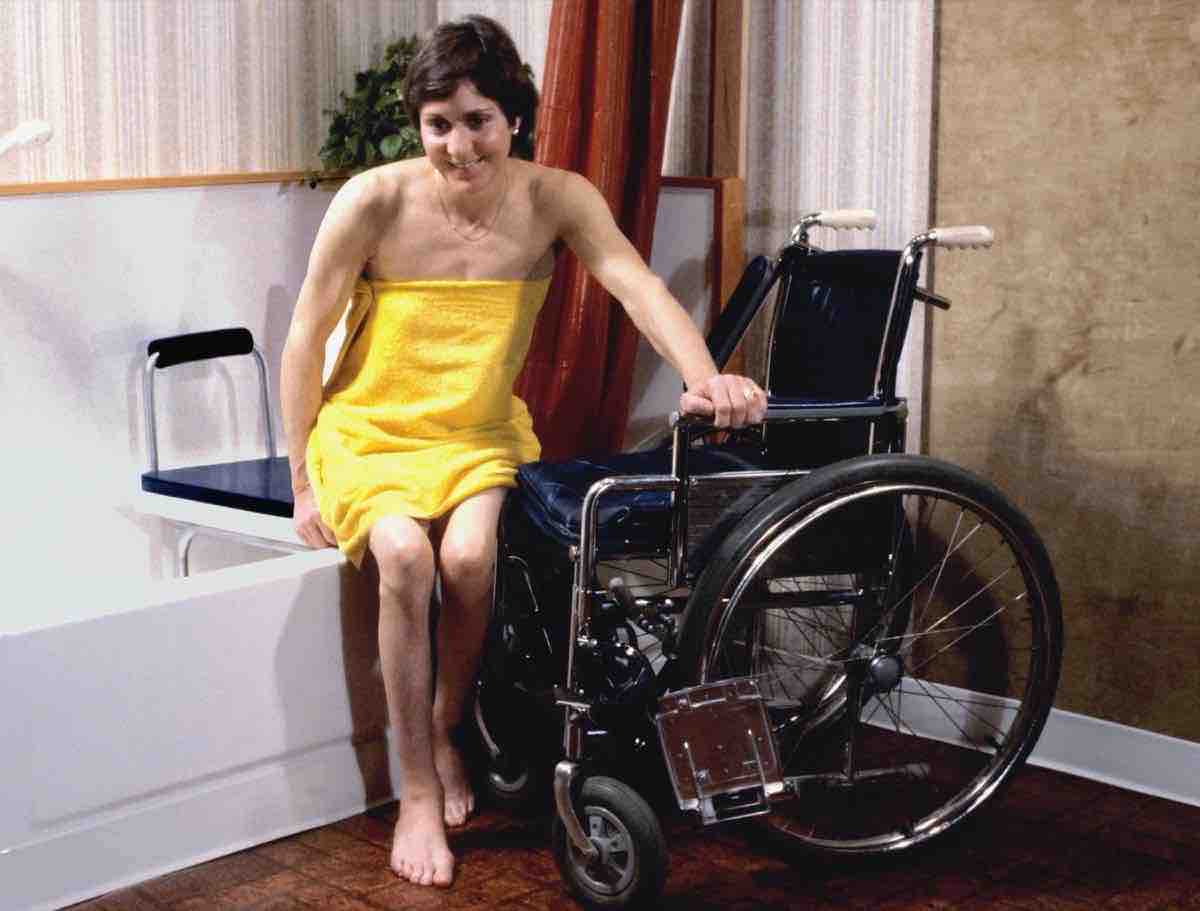
Transfer turners are strongest when the user can still participate in standing or pivoting, but the repeated route between bed, chair, and toilet has become physically demanding or unreliable.
They are often chosen to reduce caregiver strain while keeping the transfer shorter and more direct than a full lifting workflow.
- Best when some standing participation remains
- Useful for repeated short transfer routes
- Often chosen to reduce caregiver load without moving to a full hoist
What to assess before choosing one
Check whether the user can tolerate the standing position required, whether knee and foot support are appropriate, and whether the room gives enough space for safe approach and rotation.
Also assess whether the caregiver can set up and brake the device consistently and whether the transfer sequence is realistic for the actual environment.
- Standing tolerance and participation level
- Foot and knee support alignment
- Room clearance for approach and pivot
- Caregiver setup reliability
Common variants and tradeoffs
Some products are simpler pivot aids, while others provide stronger standing support, more guided positioning, or a more structured transfer path.
The decision depends on how much support is needed during the transfer, not just whether the user can stand for a few seconds in isolation.
- Basic pivot helpers for lighter support needs
- More supportive turners for lower confidence and higher caregiver demand
- Devices that bridge toward more structured assisted transfers
When a full lifting route may be better
If standing tolerance is unreliable, if the transfer still feels unsafe even with the device, or if caregivers are compensating too heavily, a fuller lifting pathway may be the safer choice.
Transfer turners are valuable when they genuinely simplify the route. They are the wrong fit when they only hide that a higher-support solution is needed.
- Move up a support level if participation is inconsistent
- Do not force pivot-based solutions when the route remains unsafe
- Review the transfer after real-world fatigue, not just a trial