Positioning matters
Wheelchairs and seating support
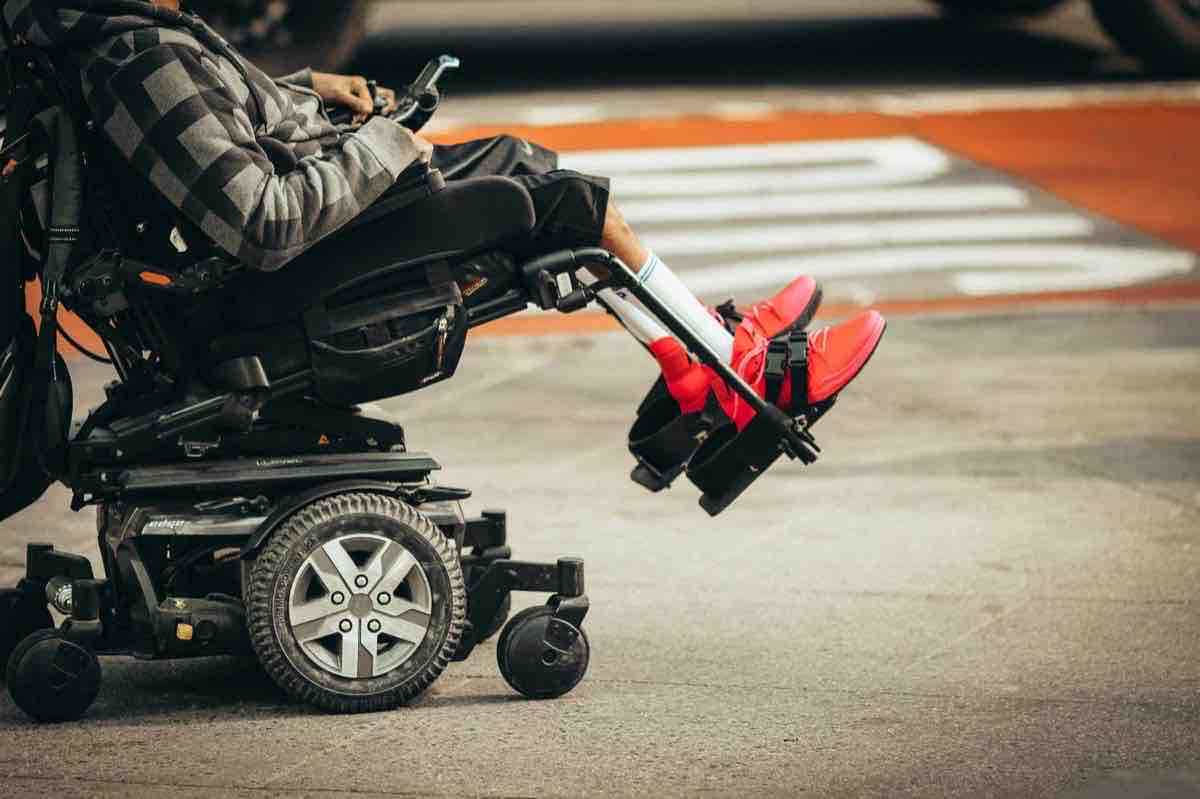
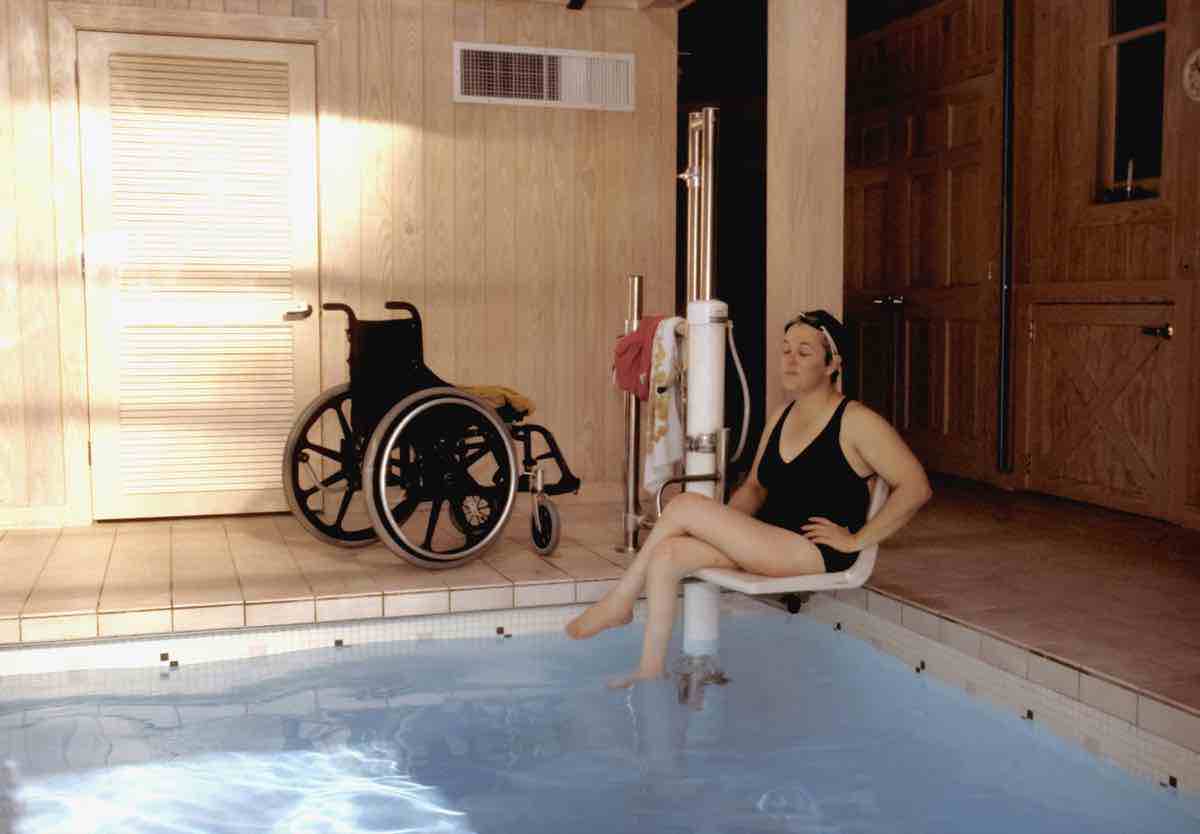
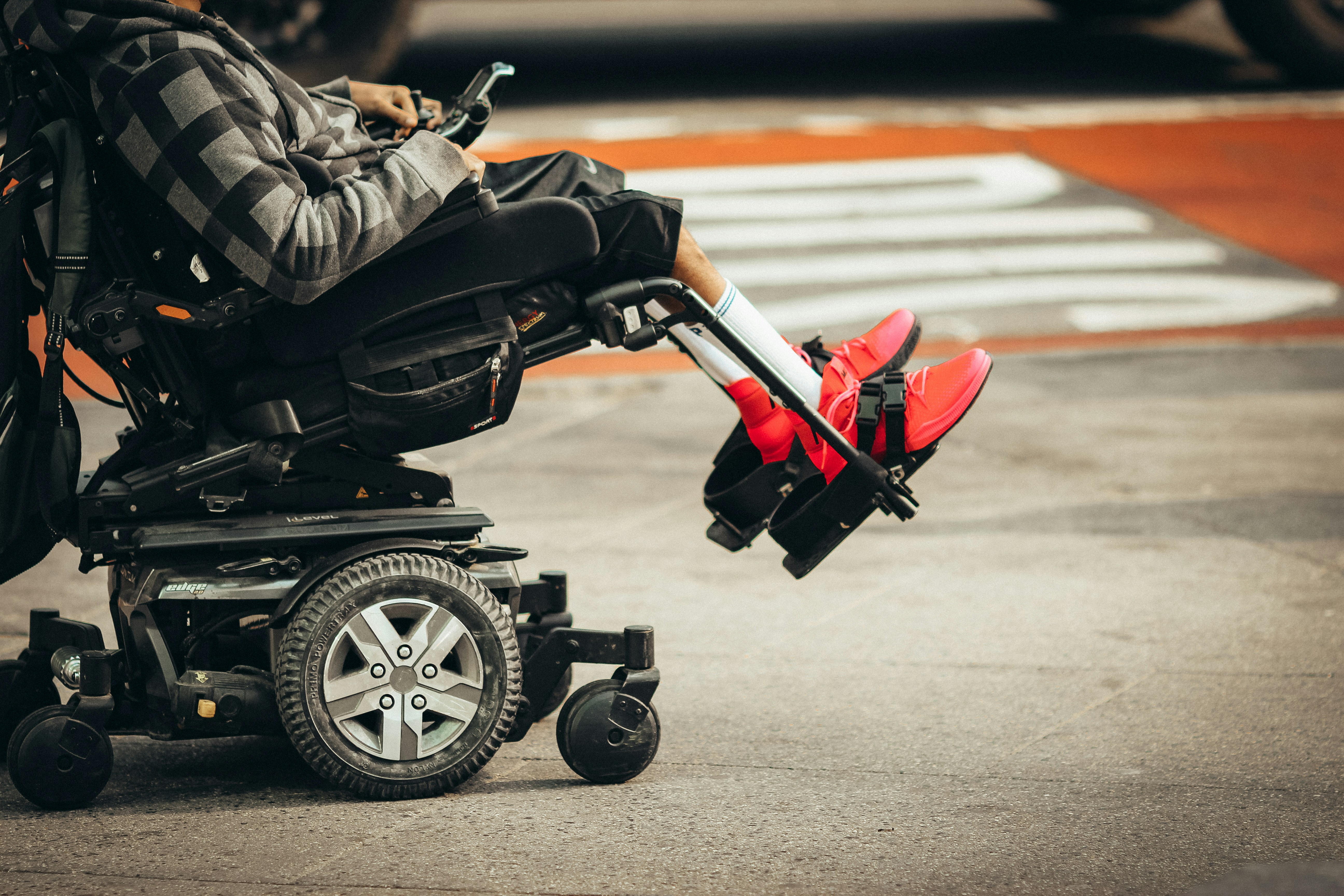
Wheelchairs and seating support should be chosen as positioning and participation systems, not just as transport devices.
Look beyond transport: seat depth, lateral support, propulsion needs, and transfer height drive good fit.
Photo credit: EnabledHub archive
Seat width/depth
Pressure and posture support
Transport and storage
What this family is really solving
Wheelchairs and seating products are often selected too narrowly around transport. In practice, they influence posture, pressure, fatigue, participation, caregiver handling, and how long someone can function comfortably and safely.
A better framework is to ask what this setup needs to support over the full day, not just how it moves across a corridor.
- Think support system first, transport second
- Posture and pressure matter as much as mobility
- Participation goals should drive the setup
What to assess before comparing options
Start with seat width, depth, back support, pressure needs, and how the user gets into and out of the seat. Then check transport realities, storage, caregiver lifting, and whether the chair will be used indoors, outdoors, or both.
Poor wheelchair choices often happen when transport convenience is prioritized over posture, fit, or transfer compatibility.
- Seat dimensions and posture support
- Pressure management needs
- Transfer height and route compatibility
- Car transport and storage demands
Typical wheelchair and seating lanes
Some setups are lighter and more transport-oriented, while others prioritize support, stability, and longer-use comfort. Seating accessories and support surfaces can also shift the effectiveness of the whole system.
The right lane depends on whether independence, comfort, posture, fatigue, or caregiver handling is the top priority.
- Transport-friendly chairs for simpler, shorter-use contexts
- More supportive seating for posture and longer participation
- Configured systems where support surfaces and positioning matter as much as the base
When to reconsider the lane
If the chair works for transport but not for posture, if transfers are unsafe, or if pressure management is inadequate, the solution is not complete.
A wheelchair setup that looks practical on paper can still fail the actual routine if it does not support comfort, fit, and caregiver consistency.
- Do not accept transport success as the only success metric
- Reassess when posture changes or participation goals expand
- Treat pressure and positioning issues as core selection criteria