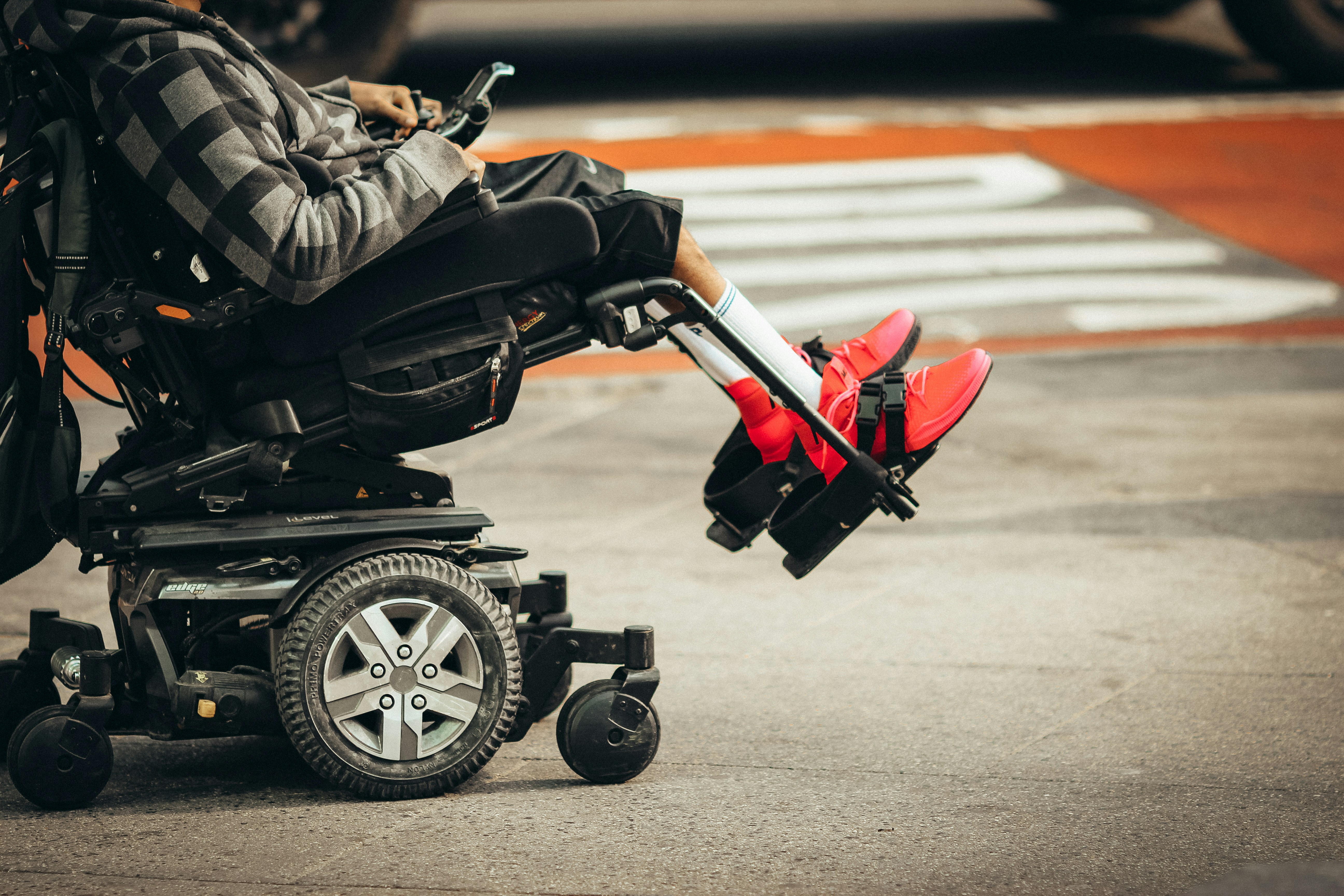
How stroke recovery changes equipment needs across transfers, walking, bathing, and daily routines.
Equipment decisions after stroke usually revolve around changing mobility, one-sided weakness, fatigue, transfers, and how much daily support a caregiver must provide.
After a stroke, equipment selection is rarely about a single product. The real challenge is matching support to changing strength, balance, tone, endurance, cognition, and confidence across the full routine of the day.
One person may mainly need help with bathroom transfers and short walking distances. Another may need more structured seating, safer bed-to-chair movement, and caregiver-friendly setup for every task.
Look at the whole routine, not just one room or one task.
Reassess after major rehab gains or setbacks.
Prioritize stability and repeatability over optimistic one-off performance.
What to assess before choosing equipment
Start with the transfer pattern: bed to chair, chair to toilet, shower access, and whether the user can pivot, stand with support, or needs a more complete assisted transfer pathway.
Then check walking endurance, fatigue across the day, arm and hand function, turning space at home, and whether a caregiver needs to set up the equipment quickly and consistently.
Standing tolerance and pivot ability
Single-sided weakness and hand grip reliability
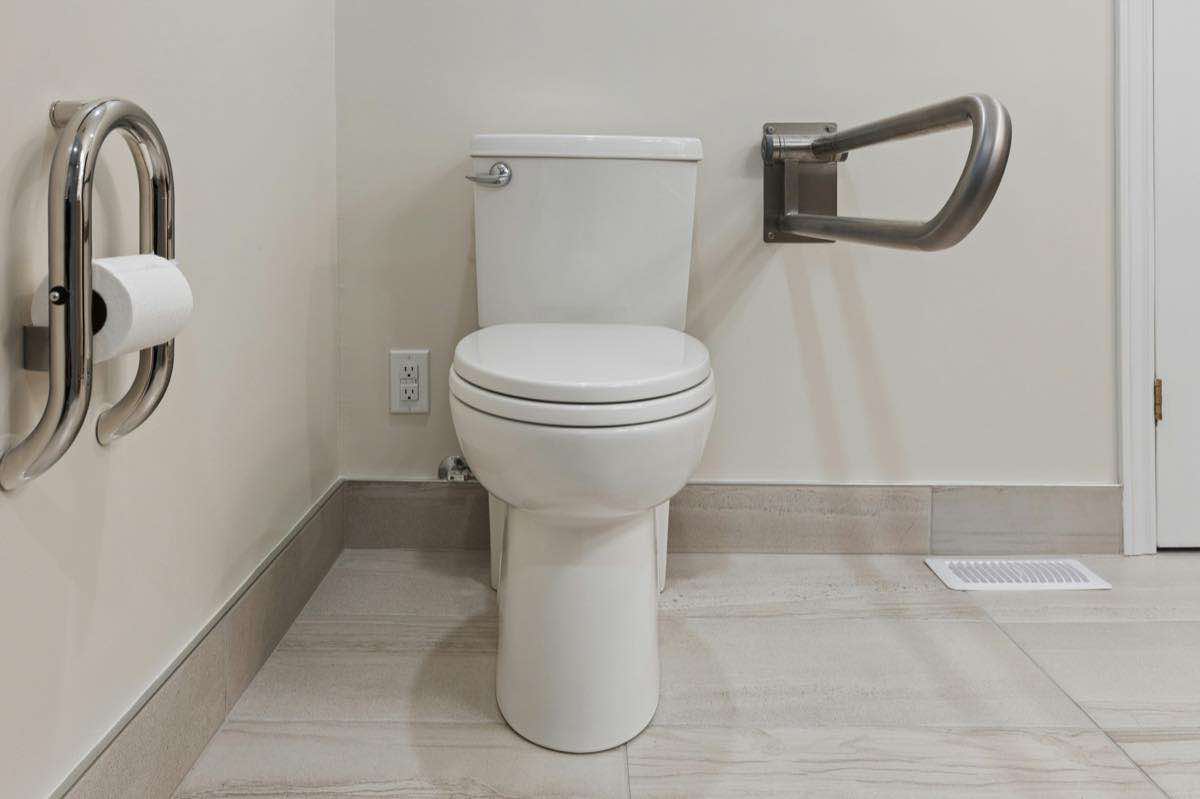
Bathroom layout and doorway clearance
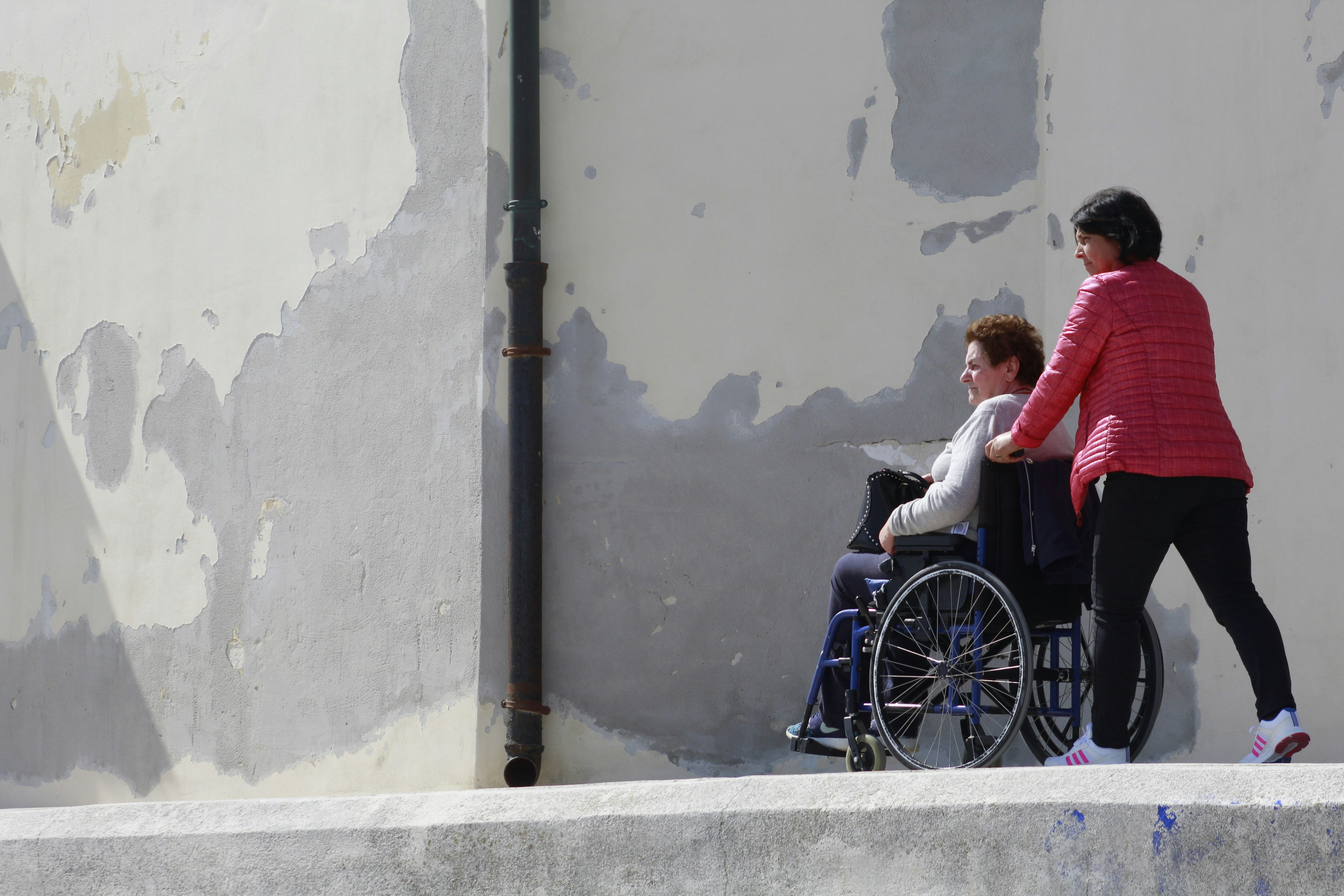
Caregiver strain during repeated transfers
Most relevant product families
Stroke recovery often overlaps with three strong equipment lanes: supported walking, transfer assistance, and bathroom equipment that reduces fall risk without making the routine too complicated.
That usually means comparing rollators or walkers, transfer turners or handling aids, and shower commodes or bath-transfer products depending on the environment.
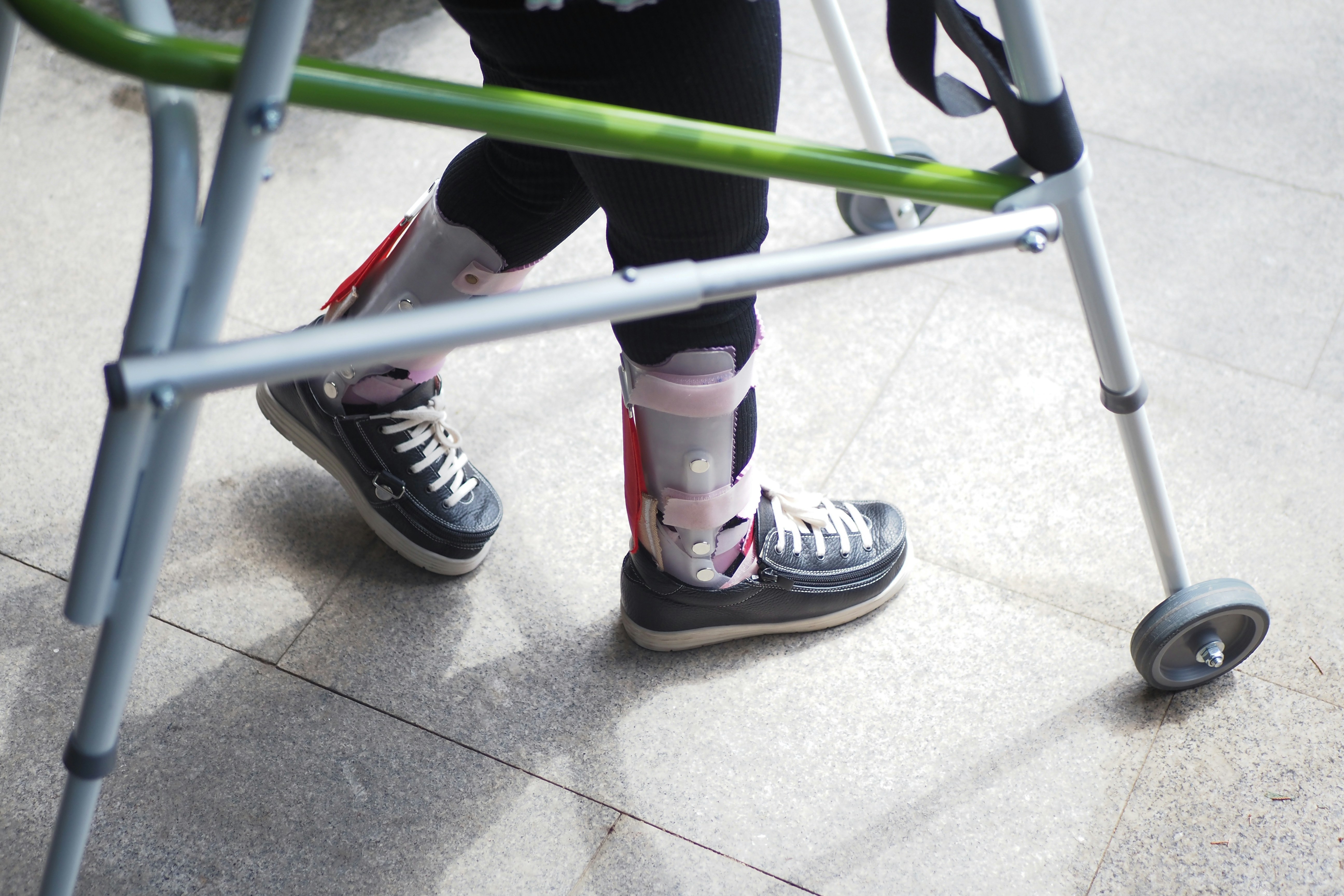
Rollators and walkers for short-route confidence and endurance
Transfer turners and handling aids for repeat bed-chair-toilet routes
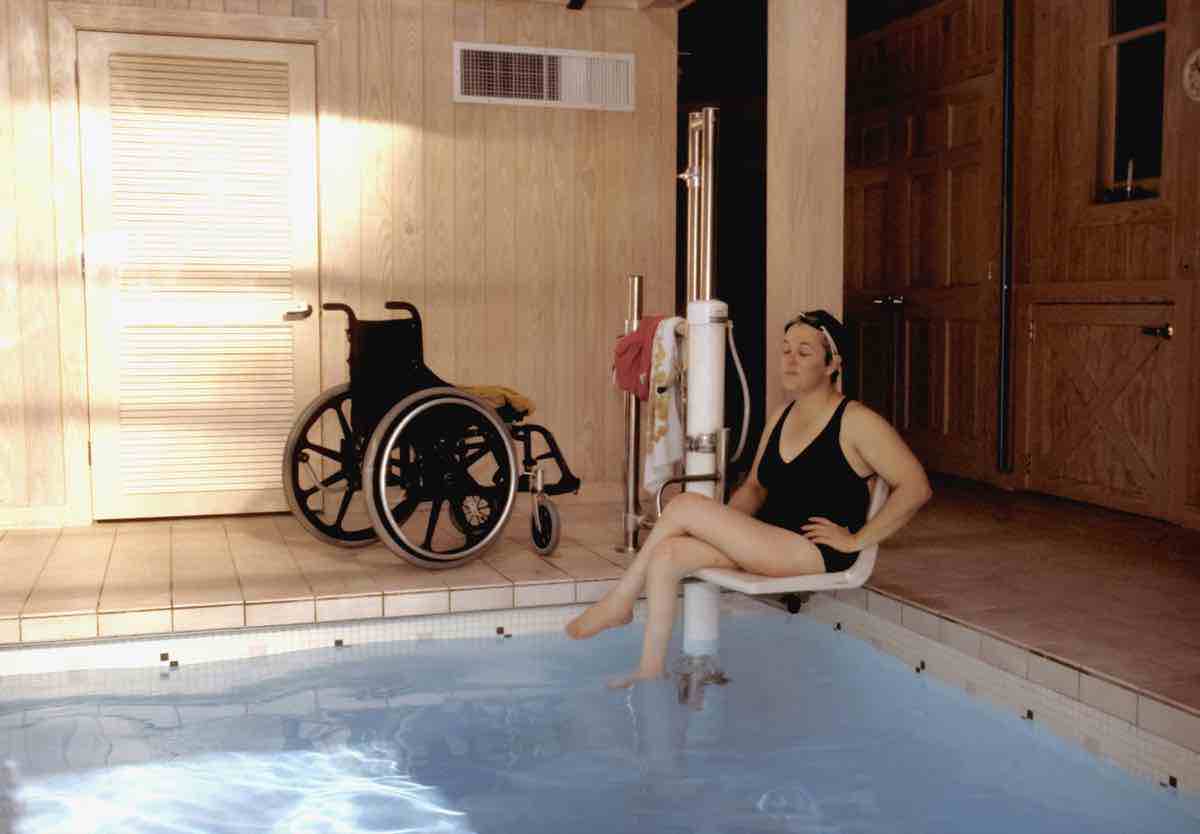
Shower commodes and bathroom support for hygiene with lower fall risk
Caregiver workflow and home setup
The best solution is often the one that a caregiver can repeat safely every day. If setup is awkward, if brakes are inconsistent, or if the product makes hygiene tasks harder, the equipment will not deliver the outcome you want.
Build around the busiest part of the routine first, then layer in additional solutions only where they clearly reduce risk or effort.
Choose products with predictable setup steps
Document seat heights, support points, and transfer cues
Avoid buying several overlapping devices too early
Relevant content hubs
Condition pages, category hubs, and multilingual guides that clarify the next step.
Popular department
Bathing & Toileting
Bath lifts, shower commodes, grab bars, and toilet support with transfer-first guidance.
Rollators and walkers are most helpful when someone still walks, but needs more consistency, pacing, braking confidence, or support to complete daily routes safely.
Transfer turners and standing-support devices are most useful when repeated bed-chair-toilet routes are the real bottleneck and caregiver strain needs to come down.
Base footprint
User participation
Brakes and support points
Relevant articles
Practical reading for caregivers, families, clinicians, and support teams.