- **In the kitchen:** Adaptive cutting boards with built-in spikes hold food steady for one-handed meal prep. Weighted utensils help those with tremors eat with confidence.
- **In the bathroom:** Long-handled sponges, shower seats, and non-slip mats make bathing safer and more private.
- **Getting dressed:** Button hooks, zipper pulls, and elastic shoelaces turn a frustrating morning routine into a quick, independent one.
- **Around the house:** Reach extenders grab items from high shelves. Voice-activated smart home systems control lights, thermostats, and locks hands-free.
Knowledge
How Adaptive Technology Supports Independent Living
Independence matters.
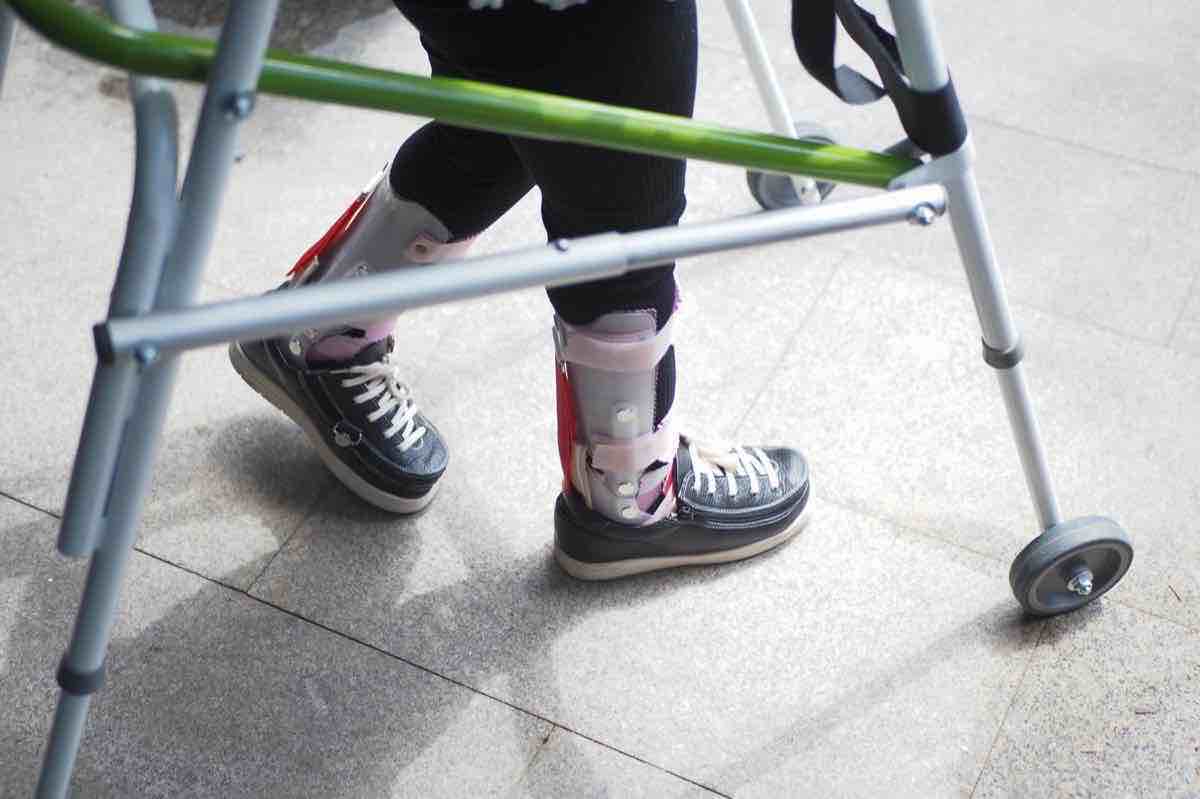
Photo credit: EnabledHub archive
Key Takeaways
**In the kitchen:** Adaptive cutting boards with built-in spikes hold food steady for one-handed meal prep. Weighted utensils help those with tremors eat with confidence.
**In the bathroom:** Long-handled sponges, shower seats, and non-slip mats make bathing safer and more private.
**Getting dressed:** Button hooks, zipper pulls, and elastic shoelaces turn a frustrating morning routine into a quick, independent one.
On This Page
Quick Caregiver Checklist
Use this list as a fast setup reference before each care routine.
Understanding Daily Living Activities
Healthcare professionals categorize daily tasks into two groups:
**Activities of Daily Living (ADLs)** include the basics — eating, dressing, bathing, toileting, and moving around. These are the foundation of self-care.
**Instrumental Activities of Daily Living (IADLs)** cover more complex tasks — cooking, managing money, taking medications, doing housework, and getting from place to place.
Adaptive technology targets both categories, offering practical solutions for each challenge.
Real-World Examples
- **In the kitchen:** Adaptive cutting boards with built-in spikes hold food steady for one-handed meal prep. Weighted utensils help those with tremors eat with confidence.
- **In the bathroom:** Long-handled sponges, shower seats, and non-slip mats make bathing safer and more private.
- **Getting dressed:** Button hooks, zipper pulls, and elastic shoelaces turn a frustrating morning routine into a quick, independent one.
- **Around the house:** Reach extenders grab items from high shelves. Voice-activated smart home systems control lights, thermostats, and locks hands-free.
The Emotional Impact
Beyond the physical benefits, adaptive technology restores dignity. When someone can prepare their own meal or dress without assistance, it builds self-esteem and reduces the emotional toll of depending on caregivers.
Taking the First Step
Start small. Identify one or two tasks that feel hardest each day and look for adaptive solutions. An occupational therapist can guide you to the right tools that match your abilities and goals.
Independence isn't all or nothing — every small gain counts.
Blog
Read knowledge base