- **Physical and occupational therapists** — assess posture, recommend equipment, and design the program
- **Orthotists** — provide bracing that supports alignment (AFOs, spinal orthoses, hip abduction braces)
- **Equipment vendors** — supply and fit seating, standing, and sleep positioning systems
- **Physicians** — monitor skeletal development and order imaging
- **Families and caregivers** — implement the program daily across all environments
Knowledge
Postural Management for Children with Disabilities: A 24-Hour Approach
Posture isn't something that only matters when a child is sitting in a classroom.
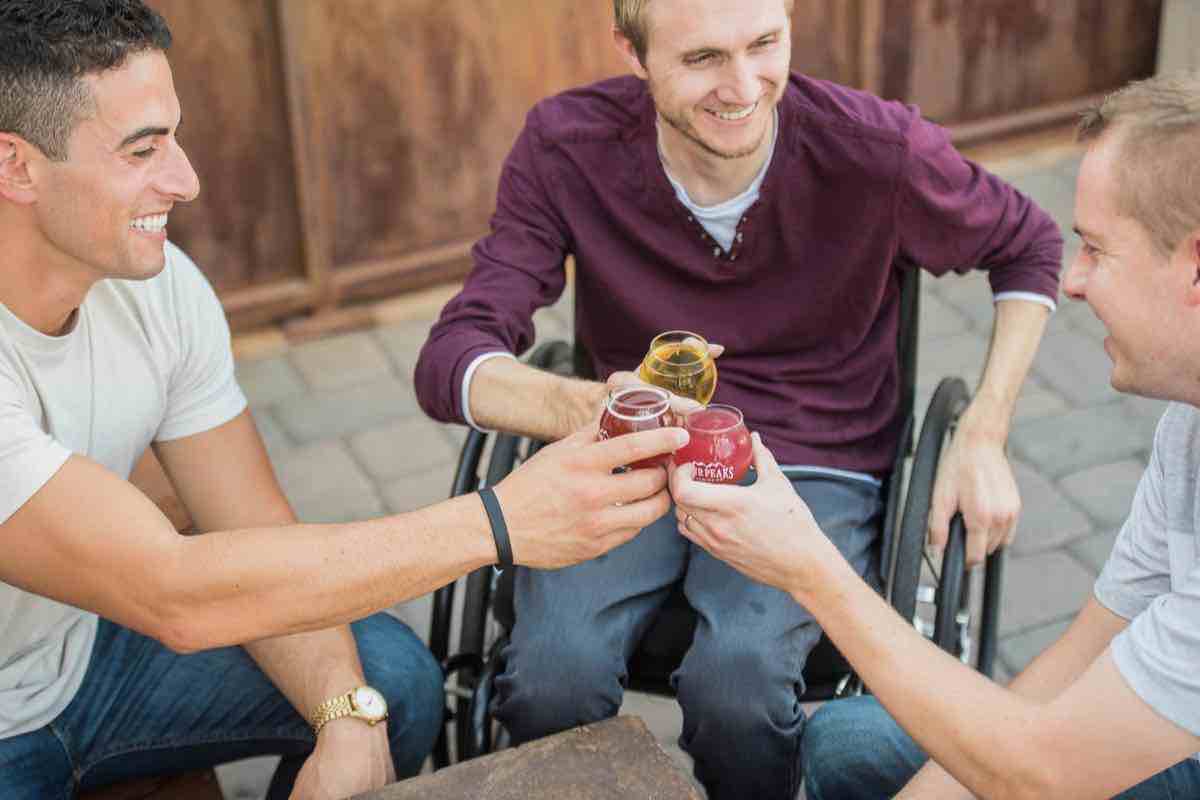
Photo credit: EnabledHub archive
Key Takeaways
**Physical and occupational therapists** — assess posture, recommend equipment, and design the program
**Orthotists** — provide bracing that supports alignment (AFOs, spinal orthoses, hip abduction braces)
**Equipment vendors** — supply and fit seating, standing, and sleep positioning systems
On This Page
Quick Caregiver Checklist
Use this list as a fast setup reference before each care routine.
Why 24-Hour Management Matters
Children with conditions like cerebral palsy, spinal muscular atrophy, or traumatic brain injury often have abnormal muscle tone — too high, too low, or fluctuating. Over time, this abnormal tone pulls the body into asymmetric positions. Without intervention, these positions become fixed deformities: spinal curves that restrict breathing, hip displacements that cause pain, and contractures that limit every functional movement.
Deformity doesn't happen overnight. It develops gradually, hour by hour, as gravity and muscle imbalance reshape growing bones and soft tissue. A postural management program counters these forces across the entire day — not just during therapy sessions.
Components of a Postural Management Program
Seating Adaptive seating during the day provides pelvic stability, trunk support, and appropriate leg positioning. The seat should maintain the pelvis in a neutral or slightly anterior tilt, the spine in as symmetrical an alignment as possible, and the hips in a position that protects against subluxation.
Standing Daily weight-bearing through a standing frame loads the hip joints symmetrically, stretches tight hip and knee flexors, and provides a break from seated posture. Standing programs are especially important during periods of rapid growth when deformity risk is highest.
Lying and Sleep Positioning Night positioning is the most overlooked — and potentially most impactful — component of postural management. Children with high tone often adopt asymmetric sleeping postures that reinforce the same patterns their daytime equipment works to correct.
Sleep positioning systems use supportive cushions, wedges, and straps to maintain a more symmetrical body position during sleep. Introducing these systems requires patience — most children need a gradual adjustment period — but the long-term benefits for spinal and hip alignment are significant.
Movement and Activity Postural management isn't just about keeping someone in position. Active movement — whether through gait training, cycling, swimming, or supported play — provides the muscle activation and joint loading that passive positioning alone cannot.
Hip Surveillance
Hip displacement is one of the most serious consequences of poor postural management in children with cerebral palsy. Regular hip surveillance — typically through X-rays at intervals recommended by the child's orthopedic team — tracks hip migration percentage over time.
Early detection of hip displacement allows for conservative intervention (positioning, standing programs, Botox) before surgical options become necessary. Postural management programs should be informed by hip surveillance data and adjusted when imaging shows changes.
The Team Approach
Effective postural management requires coordination between:
Without family buy-in, even the best postural management plan fails. Education, training, and ongoing support for families are essential.
- **Physical and occupational therapists** — assess posture, recommend equipment, and design the program
- **Orthotists** — provide bracing that supports alignment (AFOs, spinal orthoses, hip abduction braces)
- **Equipment vendors** — supply and fit seating, standing, and sleep positioning systems
- **Physicians** — monitor skeletal development and order imaging
- **Families and caregivers** — implement the program daily across all environments
Measuring Outcomes
Progress in postural management is measured in what doesn't happen: the scoliosis that doesn't progress, the hip that stays in the socket, the contracture that doesn't develop. These outcomes are harder to celebrate than milestones gained, but they're profoundly important for the child's long-term health and quality of life.
Postural management is a marathon, not a sprint. Consistency across years — not just weeks — is what protects a growing body from the cumulative effects of abnormal tone and gravity.
Blog
Read knowledge base