- **Adaptive tricycles** allow students to ride alongside classmates during bike activities
- **Gait trainers** enable supported walking during relay races and movement activities
- **Sport wheelchairs** provide access to basketball, tennis, and other competitive activities
- **Adapted balls and game equipment** include textured, audible, or oversized options for students with sensory or motor limitations
- **The therapist** assesses needs, recommends equipment, trains staff, and monitors outcomes
- **The teacher** integrates equipment into classroom routines and identifies participation barriers
Knowledge
School-Based Therapy and Adaptive Equipment: Supporting Students Where They Learn
For students with disabilities, school is more than academics — it's where they practice independence, build friendships, and develop skills they'll carry into adulthood.
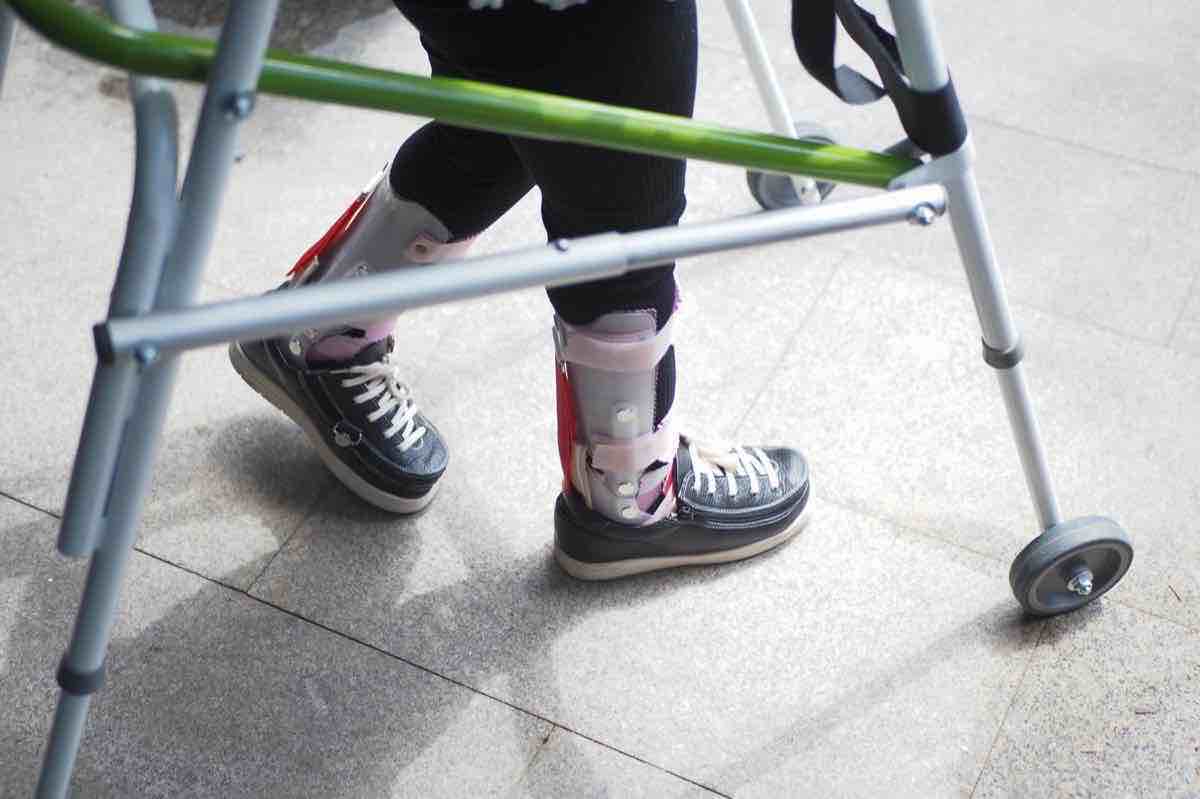
Photo credit: EnabledHub archive
Key Takeaways
**Adaptive tricycles** allow students to ride alongside classmates during bike activities
**Gait trainers** enable supported walking during relay races and movement activities
**Sport wheelchairs** provide access to basketball, tennis, and other competitive activities
On This Page
Quick Caregiver Checklist
Use this list as a fast setup reference before each care routine.
The School-Based Therapy Model
School-based therapy differs fundamentally from clinic-based therapy. In a clinic, the focus is on remediating impairments — building strength, improving range of motion, developing skills. In a school, the focus is on participation — enabling the student to access their education and engage in school activities alongside their peers.
This shift in focus changes how therapists think about equipment. The question isn't just "what does this student need clinically?" — it's "what does this student need to participate in math class, eat lunch in the cafeteria, play at recess, and get from the bus to the classroom?"
Equipment in the Classroom
**Adaptive Seating** ensures students can sit comfortably and attentively during instruction. This might mean a specialized classroom chair with postural supports, a seat cushion that provides sensory input for a student with autism, or a standing frame that allows a student to work at a table while weight-bearing.
**Tabletop Supports** such as grab bars, forearm rests, and slant boards help students stabilize their upper bodies so their hands can focus on writing, typing, or manipulating classroom materials.
**Communication Devices** give non-verbal students a voice in classroom discussions, group projects, and social interactions. These range from simple picture boards to sophisticated speech-generating devices.
**Adapted Writing Tools** include pencil grips, weighted pens, and adapted keyboards that make written expression possible for students with fine motor challenges.
Equipment in the Gym and at Recess
Physical education and recess are where many students with disabilities feel most excluded. Adaptive equipment changes that:
- **Adaptive tricycles** allow students to ride alongside classmates during bike activities
- **Gait trainers** enable supported walking during relay races and movement activities
- **Sport wheelchairs** provide access to basketball, tennis, and other competitive activities
- **Adapted balls and game equipment** include textured, audible, or oversized options for students with sensory or motor limitations
The Collaborative Team
Effective school-based equipment use requires teamwork:
Regular team communication prevents equipment from sitting unused in a closet because nobody knew how to set it up.
- **The therapist** assesses needs, recommends equipment, trains staff, and monitors outcomes
- **The teacher** integrates equipment into classroom routines and identifies participation barriers
- **The paraprofessional** assists with daily setup, transfers, and equipment use throughout the school day
- **The family** ensures consistency between home and school approaches
- **The student** provides feedback about what works, what doesn't, and what they want to do
Ecological Assessment
The most effective equipment recommendations come from ecological assessments — evaluations conducted in the actual environments where the student functions. Rather than testing a student in an isolated therapy room, the therapist observes them in the classroom, cafeteria, gym, and playground, identifying the specific barriers that equipment could address.
This approach leads to recommendations that solve real problems rather than theoretical ones.
Making It Sustainable
Equipment only works if it's actually used. Practical considerations that determine success:
The best school-based equipment doesn't feel like medical equipment. It feels like a normal part of the school day that helps a student do what every student wants to do — learn, play, and belong.
- **Setup time** — if equipment takes too long to prepare, staff won't use it consistently
- **Storage** — equipment needs a designated, accessible storage location
- **Training** — every adult who interacts with the student should know how the equipment works
- **Student buy-in** — equipment that embarrasses a student will be rejected; involve the student in selection whenever possible
- **Maintenance** — assign clear responsibility for cleaning, inspecting, and reporting equipment problems
Blog
Read knowledge base