- Discovery source: eSpecial Needs search for stander products and accessories used only for demand discovery.
- Approved manufacturer and manual support reviewed: Size 3 Stander Positioning Checklist; New Size 2 & 3 Stander Product Manual; Size 1 and Size 2 Stander Resources; Stander Brochure.
- Key source URLs reviewed: https://www.rifton.com/pdfviewer?url=%2f-%2fmedia%2ffiles%2frifton%2fpositioning-checklists%2fsize-3-stander-positioning-checklist.pdf and https://www.rifton.com/pdfviewer?url=%2f-%2fmedia%2ffiles%2frifton%2fproduct-manuals%2fstander-s2-gt38.pdf.
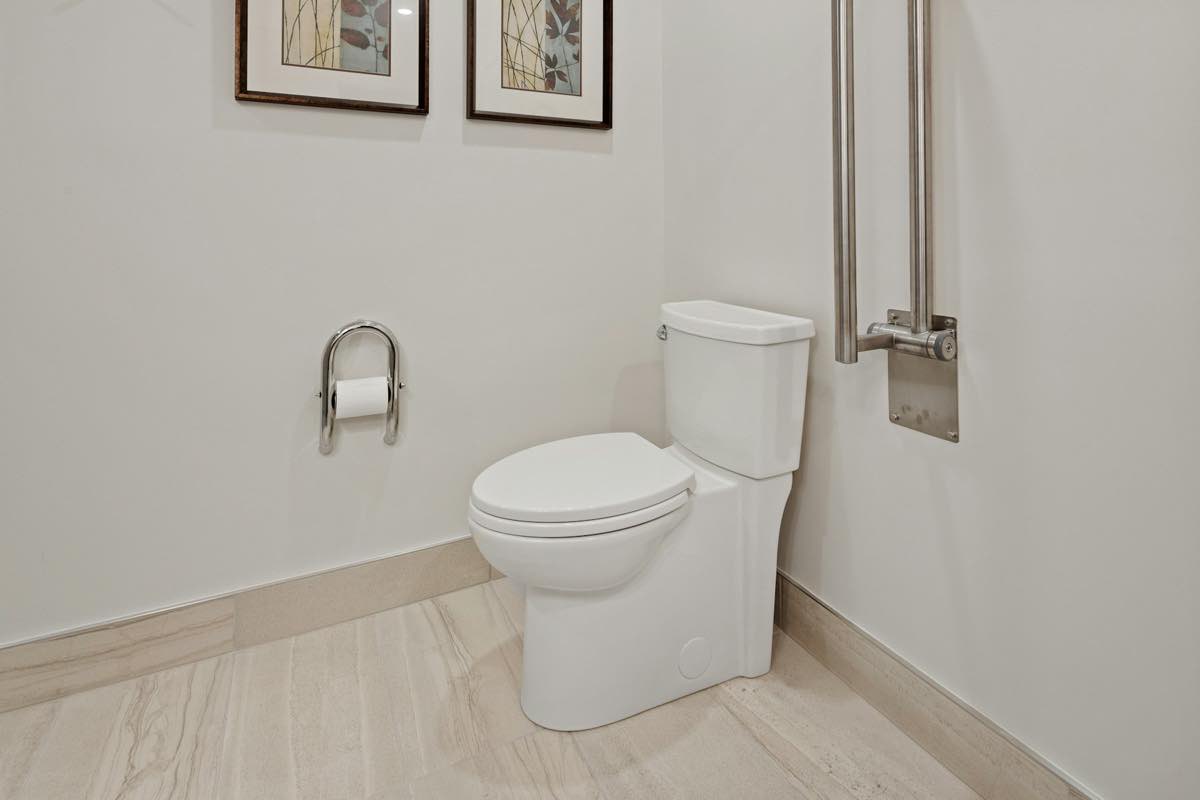
- Image rights: EnabledHub archive, EnabledHub internal editorial archive, cleared from approved local metadata for /images/editorial/wheelchair-accessible-home.jpg.
- Review flag: Medical-safety review required because alignment and positioning language can imply treatment advice.
Conocimiento
A Practical Stander Adjustment Sequence for Better Alignment
A setup-focused stander guide on adjustment order, repeatability, and the warning signs that signal poor alignment.

Puntos clave
Discovery source: eSpecial Needs search for stander products and accessories used only for demand discovery.
Approved manufacturer and manual support reviewed: Size 3 Stander Positioning Checklist; New Size 2 & 3 Stander Product Manual; Size 1 and Size 2 Stander Resources; Stander Brochure.
Key source URLs reviewed: https://www.rifton.com/pdfviewer?url=%2f-%2fmedia%2ffiles%2frifton%2fpositioning-checklists%2fsize-3-stander-positioning-checklist.pdf and https://www.rifton.com/pdfviewer?url=%2f-%2fmedia%2ffiles%2frifton%2fproduct-manuals%2fstander-s2-gt38.pdf.
En esta pagina
Checklist rapido para cuidadores
Usa esta lista como referencia rapida antes de cada rutina de cuidado.
What it is good for
This category is valuable when outcomes depend on supports being adjusted in the right order. The real benefit is not only the frame itself but the ability to repeat the same setup across home, school, and clinic without starting from guesswork every time.
Who it suits best
It suits users whose posture changes quickly when one support is mis-set and teams that need a shared method rather than a single expert. It is weaker when the routine is rushed or when different caregivers all use different starting points and no one records the baseline settings.
How to choose it well
A practical chooser article should ask whether the device allows the adjustment sequence the team actually needs. If critical supports are hard to access or depend on awkward workarounds, daily use becomes slower and less safe. That question often matters more than small differences in accessories.
Setup or sizing considerations
The most reliable sequence usually starts low and central: feet, knees, pelvis, trunk, then trays or arm prompts. Recheck after a short interval instead of relying on the first impression. Many alignment problems only show up once the user settles, reaches, or starts the intended activity.
What to check in the first week
In the first week, compare whether different caregivers can recreate the setup with the same result. If one person gets a better outcome every time, the process is not documented well enough yet.
Questions to settle before ordering
Before a device is accepted into routine use, the team should settle who owns the baseline settings, how the sequence will be written down, and what changes trigger a recheck. Without that agreement, even a well-designed stander can drift into inconsistent use across settings.
When to pause and reassess
Pause and reassess if each caregiver produces a different posture, if the user only tolerates one person’s setup, or if upper-body corrections keep replacing better base alignment.
Key cautions
Articles about adjustment sequence should not turn tidy appearance into proof of safety. Over-tightening supports, correcting the upper body before the base is stable, or assuming comfort from a brief trial can create false confidence. This topic needs editorial review because setup language can easily drift into treatment claims. Another useful checkpoint is whether the same sequence still works after the user reaches, talks, or shifts attention, because many alignment failures appear during real activity rather than during the quiet setup moment.
Source Attribution Notes
- Discovery source: eSpecial Needs search for stander products and accessories used only for demand discovery.
- Approved manufacturer and manual support reviewed: Size 3 Stander Positioning Checklist; New Size 2 & 3 Stander Product Manual; Size 1 and Size 2 Stander Resources; Stander Brochure.
- Key source URLs reviewed: https://www.rifton.com/pdfviewer?url=%2f-%2fmedia%2ffiles%2frifton%2fpositioning-checklists%2fsize-3-stander-positioning-checklist.pdf and https://www.rifton.com/pdfviewer?url=%2f-%2fmedia%2ffiles%2frifton%2fproduct-manuals%2fstander-s2-gt38.pdf.
- Image rights: EnabledHub archive, EnabledHub internal editorial archive, cleared from approved local metadata for /images/editorial/wheelchair-accessible-home.jpg.
- Review flag: Medical-safety review required because alignment and positioning language can imply treatment advice.
Blog
Leer base de conocimiento