- Discovery source: eSpecial Needs stander discovery search used to identify category demand only.
- Approved manufacturer and manual support reviewed: Stander Sample Letter of Medical Necessity; Key Measurements for the Rifton Stander; size-specific stander resources; New Size 1 and Size 2 product manuals.
- Key source URLs reviewed: https://www.rifton.com/pdfviewer?url=%2f-%2fmedia%2ffiles%2frifton%2flmns%2frifton-stander-lmn.pdf and https://www.rifton.com/pdfviewer?url=%2f-%2fmedia%2ffiles%2frifton%2fproduct-information%2fstander-sizing-measurements.pdf.
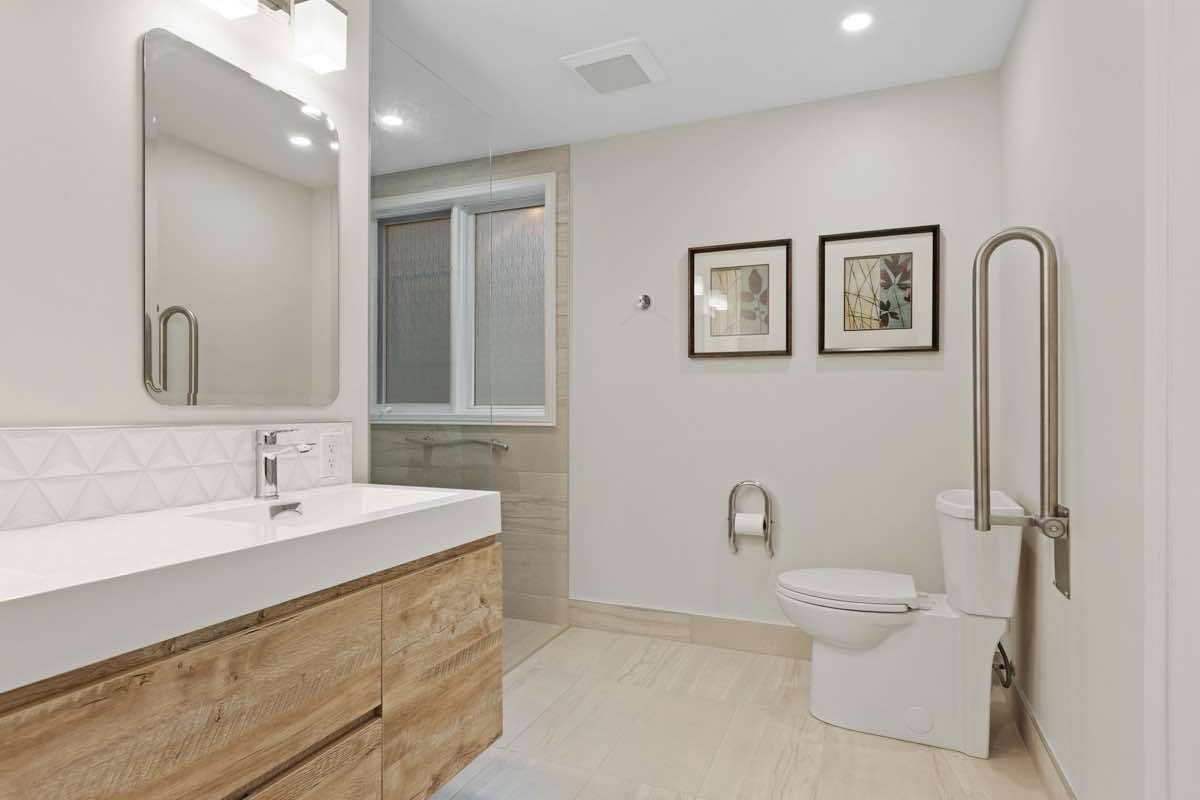
- Image rights: EnabledHub archive, EnabledHub internal editorial archive, cleared from approved local metadata for /images/editorial/wheelchair-accessible-home.jpg.
- Review flag: Medical-safety review required because trial guidance can be misread as a substitute for supervised assessment.
Conocimiento
Running a Home and Clinic Stander Trial Without Guesswork
How to trial a stander across settings using clear goals, repeatable checks, and realistic home constraints.

Puntos clave
Discovery source: eSpecial Needs stander discovery search used to identify category demand only.
Approved manufacturer and manual support reviewed: Stander Sample Letter of Medical Necessity; Key Measurements for the Rifton Stander; size-specific stander resources; New Size 1 and Size 2 product manuals.
Key source URLs reviewed: https://www.rifton.com/pdfviewer?url=%2f-%2fmedia%2ffiles%2frifton%2flmns%2frifton-stander-lmn.pdf and https://www.rifton.com/pdfviewer?url=%2f-%2fmedia%2ffiles%2frifton%2fproduct-information%2fstander-sizing-measurements.pdf.
En esta pagina
Checklist rapido para cuidadores
Usa esta lista como referencia rapida antes de cada rutina de cuidado.
What it is good for
A stander trial is useful when the team needs to know whether the device will work outside the showroom. Good trials compare tolerance, transfers, participation, and caregiver effort in the real settings where the routine will happen instead of treating one supervised session as enough evidence.
Who it suits best
This topic suits families, therapists, and educators who already know the category is plausible but need to test whether the routine survives normal rooms, staffing, and time pressure. It is especially relevant when clinic success has not yet translated into home confidence.
How to choose it well
The best trials use a short list of measures: standing duration, alignment quality, transfer ease, user comfort, and whether the target activity actually happens. Using the same checklist in home and clinic gives the team something concrete to compare rather than relying on memory or enthusiasm.
Setup or sizing considerations
Document the settings carefully and note what changes across environments. Flooring, doorway widths, orthotics, time of day, and caregiver technique can all alter the result. A good article should frame trials as decision tools, not as proof that the user simply needs more practice.
What to check in the first week
If the device works in clinic but stalls at home, the failure may be workflow, not motivation. That distinction is exactly why multi-setting trials matter before procurement.
Questions to settle before ordering
Before trial results are treated as meaningful, the team should settle which outcome measures count, how many sessions will be compared, and which home constraints are non-negotiable. Without those rules, the trial can become a vague impression instead of a real procurement tool.
When to pause and reassess
Pause and reassess if the device only succeeds in one room, one time of day, or with one specific helper. That usually points to workflow mismatch rather than a simple training gap.
Key cautions
One successful session should never be described as evidence that the equipment will stay appropriate over time. Growth, fatigue, health changes, and staffing shifts can change the risk picture quickly. This remains a high-sensitivity draft because trial advice can be mistaken for a substitute for supervised assessment. Teams should also note what happened before each session, such as transport fatigue, school day demands, or rushed timing, because those routine pressures often explain why a promising device succeeds in one setting and stalls in another.
Source Attribution Notes
- Discovery source: eSpecial Needs stander discovery search used to identify category demand only.
- Approved manufacturer and manual support reviewed: Stander Sample Letter of Medical Necessity; Key Measurements for the Rifton Stander; size-specific stander resources; New Size 1 and Size 2 product manuals.
- Key source URLs reviewed: https://www.rifton.com/pdfviewer?url=%2f-%2fmedia%2ffiles%2frifton%2flmns%2frifton-stander-lmn.pdf and https://www.rifton.com/pdfviewer?url=%2f-%2fmedia%2ffiles%2frifton%2fproduct-information%2fstander-sizing-measurements.pdf.
- Image rights: EnabledHub archive, EnabledHub internal editorial archive, cleared from approved local metadata for /images/editorial/wheelchair-accessible-home.jpg.
- Review flag: Medical-safety review required because trial guidance can be misread as a substitute for supervised assessment.
Blog
Leer base de conocimiento