- **Positioning first** — a child who feels physically unstable on the toilet will resist the process regardless of readiness
- **Routine and consistency** — scheduled toileting attempts build habits and predictability
- **Sensory considerations** — some children are hypersensitive to the sensations of the toilet, water, or flushing sounds
- **Communication** — the child needs a way to indicate the need to go, whether through words, signs, pictures, or a communication device
- **Collaboration** — toileting programs work best when therapists, teachers, and families follow the same plan across settings
- Wipe down all surfaces after every use with a disinfectant appropriate for the material
Toilette und Hygiene
Adaptive Toileting and Hygiene Equipment: Dignity in the Most Personal Routine
Toileting is the most private activity of daily living — and for many people with disabilities, it's also one of the most challenging.
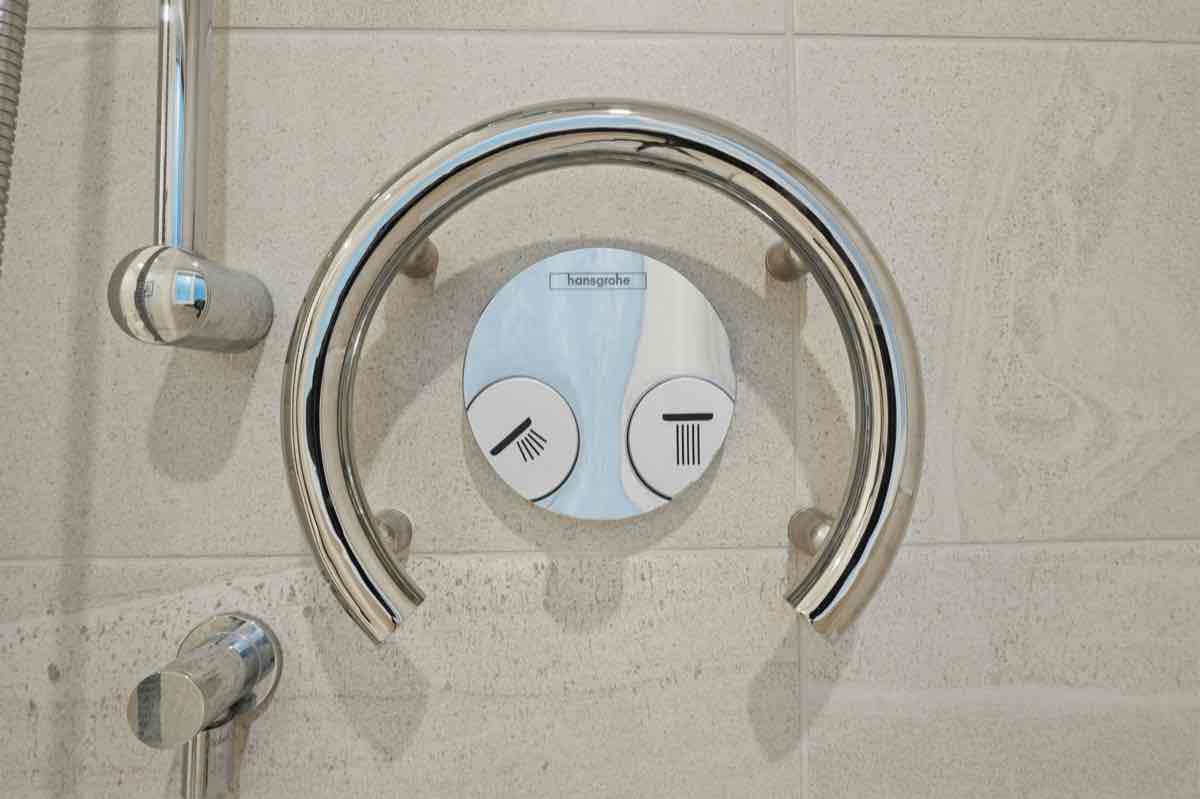
Bildnachweis: EnabledHub archive
Wichtigste Punkte
**Positioning first** — a child who feels physically unstable on the toilet will resist the process regardless of readiness
**Routine and consistency** — scheduled toileting attempts build habits and predictability
**Sensory considerations** — some children are hypersensitive to the sensations of the toilet, water, or flushing sounds
Auf dieser Seite
Schnelle Pflege-Checkliste
Nutzen Sie diese Liste als schnelle Referenz vor jeder Pflegeroutine.
Why Adaptive Toileting Equipment Matters
Standard toilets weren't designed for people who can't sit independently, bear weight through their legs, or manage clothing and hygiene tasks on their own. Without proper support, toileting becomes a safety hazard for the individual and a physical strain for caregivers.
Adaptive toileting equipment addresses the gap between what a standard bathroom offers and what the individual actually needs to use the toilet safely and as independently as possible.
Types of Toileting Equipment
**Toileting Chairs** provide postural support over a standard toilet or commode bucket. They feature adjustable trunk supports, lateral pelvic guides, footrests, and safety belts. Some models serve double duty as shower chairs, eliminating the need for multiple pieces of equipment in the bathroom.
**Raised Toilet Seats** add height to a standard toilet, making sit-to-stand transitions easier for people with limited leg strength or hip restrictions. Many include armrests for additional support during transfers.
**Commode Chairs** are portable toileting solutions that can be positioned over a toilet or used independently with a removable bucket. They're essential for individuals who can't access a standard bathroom safely.
**Splash Guards and Deflectors** manage urine direction for individuals who can't position themselves consistently. These small accessories prevent messes and reduce the need for extra cleanup — a practical detail that makes a real difference.
Toileting Programs for Children
For children with disabilities, toilet training often follows a different timeline and approach than typical development. Key principles include:
An occupational therapist can assess readiness, recommend equipment, and design a toileting program that respects the child's pace.
- **Positioning first** — a child who feels physically unstable on the toilet will resist the process regardless of readiness
- **Routine and consistency** — scheduled toileting attempts build habits and predictability
- **Sensory considerations** — some children are hypersensitive to the sensations of the toilet, water, or flushing sounds
- **Communication** — the child needs a way to indicate the need to go, whether through words, signs, pictures, or a communication device
- **Collaboration** — toileting programs work best when therapists, teachers, and families follow the same plan across settings
Maintenance and Hygiene
Toileting equipment requires rigorous cleaning:
If equipment is shared between individuals, clean thoroughly between each user — no exceptions.
- Wipe down all surfaces after every use with a disinfectant appropriate for the material
- Deep clean weekly with a bathroom-grade cleaner, paying attention to joints, seams, and areas that trap moisture
- Check straps, buckles, and padding monthly for wear and deterioration
- Inspect rubber tips and hardware for stability and replace as needed
The Bigger Picture
When toileting is safe and supported, it reduces dependence on caregivers for one of life's most personal tasks. Even partial independence in the bathroom — managing clothing, initiating the transfer, or completing hygiene — represents meaningful progress.
Toileting equipment doesn't just solve a logistics problem. It protects the dignity that every person deserves.
Blog
Wissensbereich lesen