Krankheitsbilder
Wie Zerebralparese Hilfsmittelprioritaeten bei Haltung, Wachstum, Teilhabe und alltaeglicher Unterstuetzung veraendert.
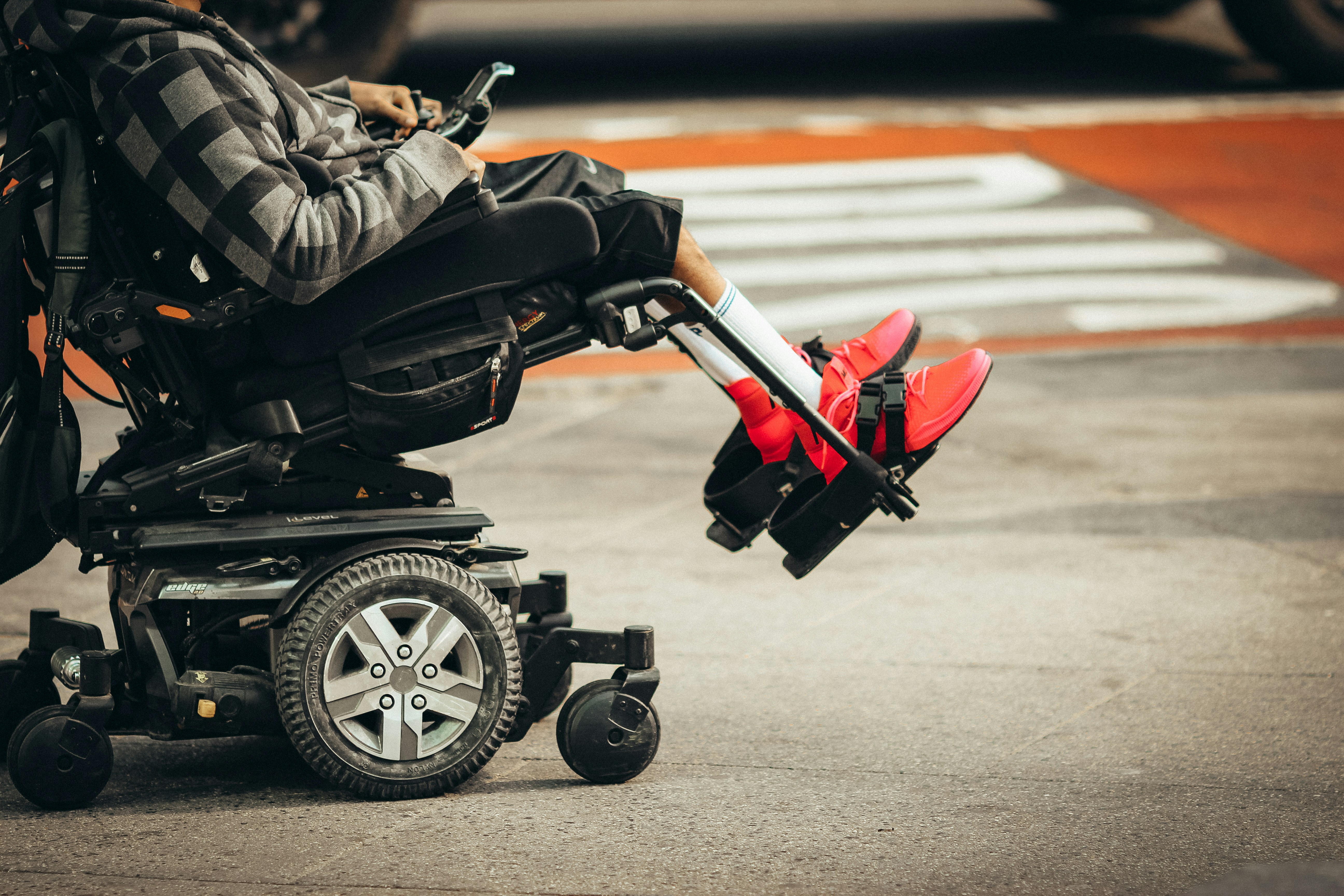
Hilfsmittelentscheidungen bei Zerebralparese haengen meist von Haltung, Wachstum, Kontrakturrisiko, Teilhabezielen, Transportrealitaet und dem noetigen Mass an Verstellbarkeit ueber die Zeit ab.
Bildnachweis: EnabledHub archive
Warum Haltung und Wachstum so wichtig sind
Bei Zerebralparese muessen Hilfsmittel oft mehr leisten, als nur von A nach B zu bringen. Sie sollen Haltung unterstuetzen, Aufwand verringern, Teilhabe verbessern und Veraenderungen ueber die Zeit auffangen.
Dadurch werden Passform, Verstellbarkeit, Sitzstrategie und langfristiges Setup viel wichtiger als ein schneller Vergleich einzelner Merkmale.
- Unterstuetzung muss zur Haltung ebenso wie zur Mobilitaet passen.
- Wachstum und langfristige Verstellbarkeit zaehlen frueh.
- Teilhabziele sollten die Hilfsmittellinie bestimmen.
Was vor dem Kauf geprueft werden sollte
Beginnen Sie mit Haltung und Unterstuetzungsbedarf im Sitzen, Stehen und bei Transfers. Pruefen Sie danach Transport, Zuhause- und Schulumgebung, Aufbauzeit fuer Betreuungspersonen und ob das Produkt nach Wachstum oder Therapieaenderungen weiter nutzbar bleibt.
Fuer viele Familien ist die eigentliche Entscheidung nicht ein einzelnes Produkt, sondern wie Sitz-, Mobilitaets- und Handlingloesungen zusammenpassen.
- Sitztiefe sowie seitliche, Kopf- und Rumpfunterstuetzung
- Kompatibilitaet mit Zuhause, Schule und Transport
- Wachstumsreserve ohne Uebergroesse
- Aufbau- und Ladeaufwand fuer Betreuungspersonen
Typische Unterstuetzungslinien
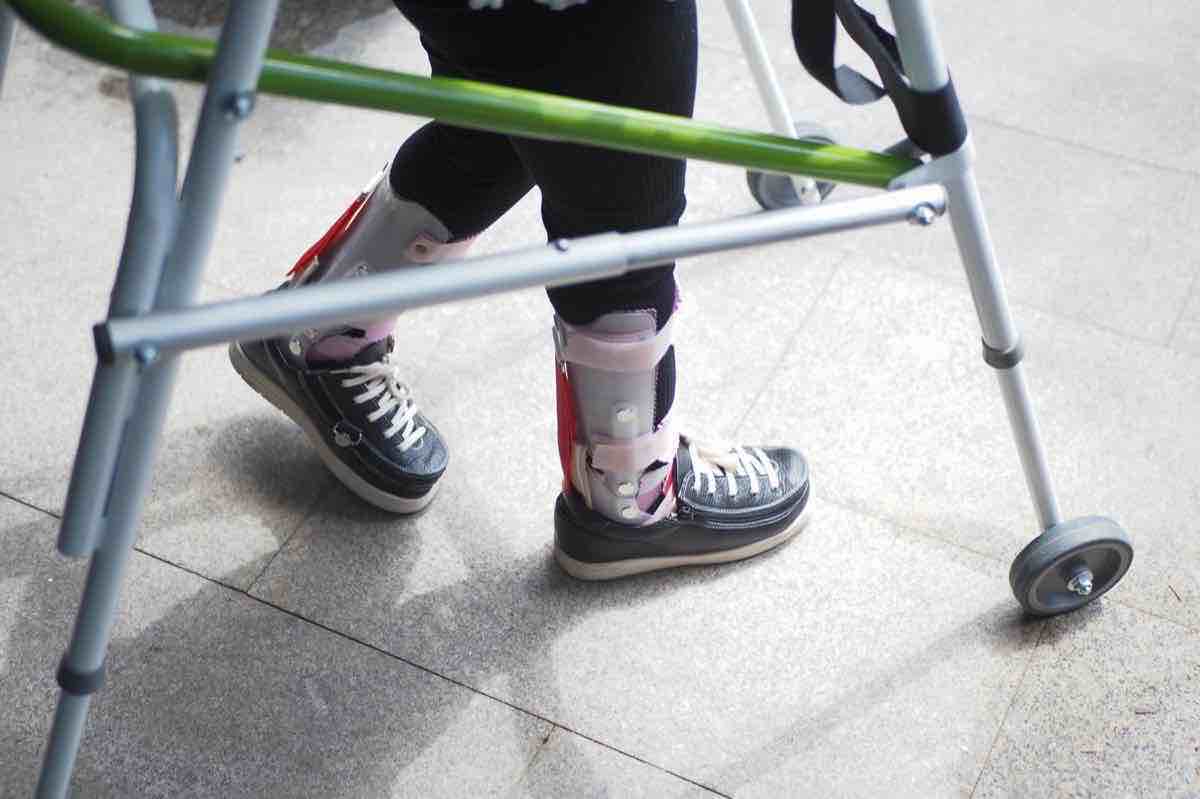
Rollstuehle und Sitzsysteme stehen oft im Zentrum, doch viele Routinen profitieren auch von unterstuetztem Gehen, Transferhilfe und alltagsnaher Anleitung, die Reibung fuer Nutzende und Betreuung reduziert.
Welche Mischung passt, haengt stark vom Teilhabeziel ab: Komfort zu Hause, Schulzugang, Gehtraining oder alltaegliche Transfers.
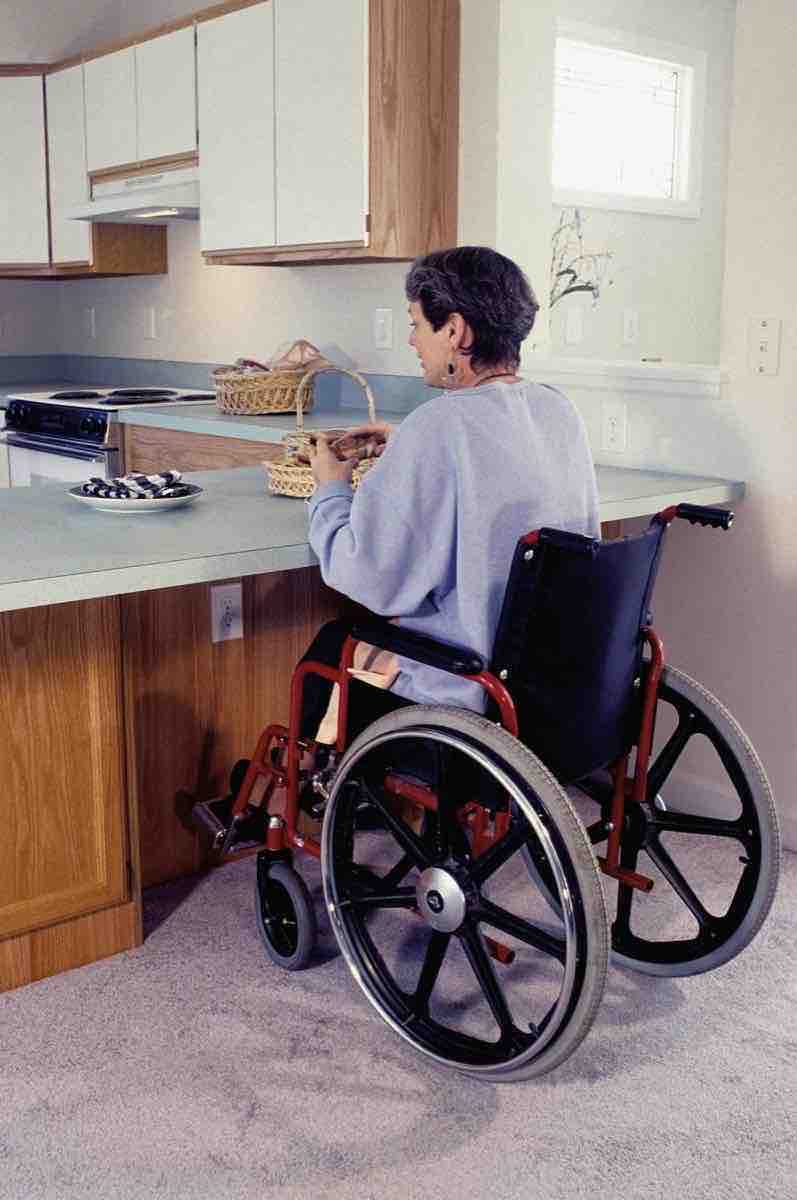
- Rollstuehle und Sitzunterstuetzung fuer Haltung und Teilhabe
- Unterstuetzte Gehgeraete, wenn Gehtraining oder Routenzugang wichtig sind
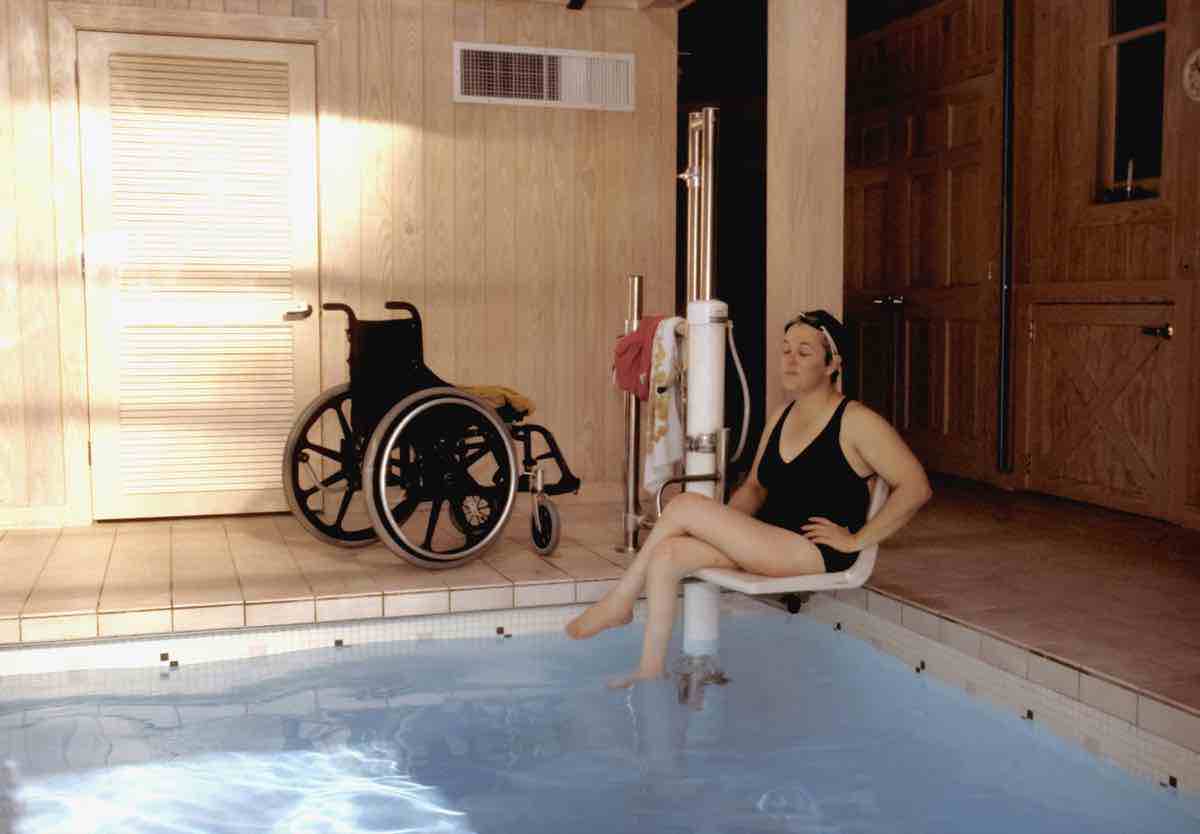
- Transferhilfe, wenn Betreuungslast oder Sicherheit zum limitierenden Faktor werden
Entscheidungsfehler, die vermieden werden sollten
Waehlen Sie nicht nur nach Altersgruppe, Trend oder einem einzelnen klinischen Etikett. Zwei Menschen mit derselben Diagnose koennen je nach Tonus, Haltung, Ausdauer, Handlingbedarf und Umfeld sehr unterschiedliche Hilfsmittel benoetigen.
Vergleichen Sie Optionen nach Moeglichkeit in realen Routinen und echten Raeumen statt auf Basis isolierter Produktversprechen.
- Kompaktheit nicht ueber Unterstuetzungsqualitaet stellen
- Keine Ueberversorgung ohne klares Teilhabeziel kaufen
- Transport und Betreuungsablauf als Kernkriterien behandeln