Krankheitsbilder
Wie man unterstuetzende Hilfsmittel auswaehlt, wenn das Ziel weniger Stuerze zuhause und in Alltagsroutinen ist.
Hilfsmittel zur Sturzpraevention funktionieren am besten, wenn sie sich zuerst auf die riskantesten Uebergaenge konzentrieren: Aufstehen, Badezimmerzugang, Nachtbewegung und Sicherheit auf den Wegen im Zuhause.
Warum Sturzpraevention einen routinenbasierten Ansatz braucht
Die wirksamsten Hilfsmittel zur Sturzpraevention sind selten die kompliziertesten. Es sind die Hilfsmittel, die die riskantesten Uebergaenge stabiler und taeglich besser wiederholbar machen.
Das bedeutet meist, sich auf Aufstehen, Gehen in der Wohnung, Badezimmerablaufe und Nachtbewegung zu konzentrieren statt auf ein allgemeines Etikett 'Sturzpraevention'.
- Ermitteln Sie, wo die letzten Beinahe-Stuerze passiert sind.
- Beruecksichtigen Sie Tageszeit, Ermuedung, Licht und Bodenverhaeltnisse.
- Waehlen Sie Hilfsmittel nach echten Uebergaengen und nicht nach abstraktem Risiko.
Was zuerst bewertet werden sollte
Beginnen Sie mit den Hauptwegen: Bett zur Toilette, Stuhl zur Kueche, Wendungen im Flur und Zugang zur Dusche. Pruefen Sie dann Sitzhoehen, Stuetzpunkte, Gehsicherheit und ob die Person Hinweise oder koerperliche Hilfe braucht.
Ziel ist es, die Stellen zu erkennen, an denen Stabilitaet zusammenbricht, nicht nur die Wege, auf denen Gehen langsam wirkt.
- Zuverlaessigkeit beim Hinsetzen und Aufstehen
- Sicherheit auf Nachtwegen
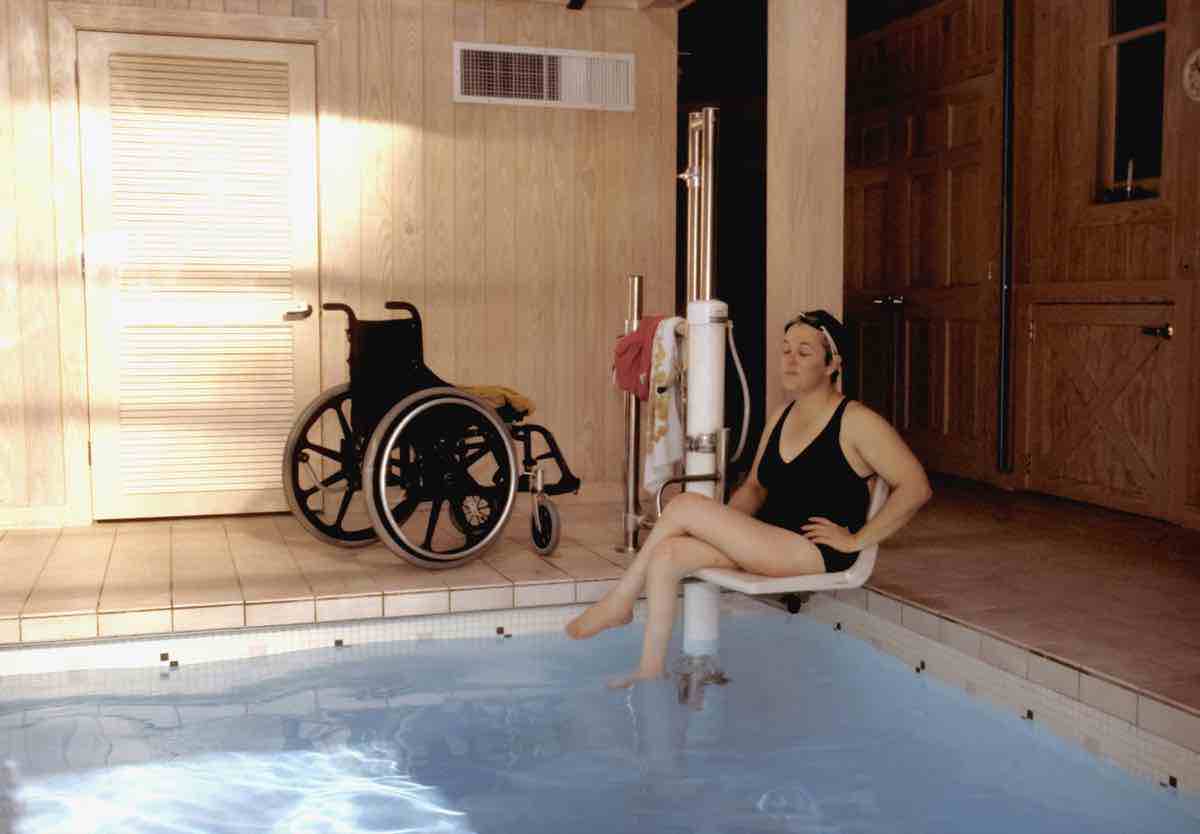
- Rutsch- und Transferrisiko im Badezimmer
- Bedarf an Gehunterstuetzung drinnen versus draussen
Besonders relevante Hilfsmittelfamilien
Die groessten Verbesserungen kommen oft durch Gehhilfen oder Rollatoren, Badezimmerunterstuetzung und Bett- oder Nachtanpassungen, wenn die Person am verletzlichsten ist.
Diese Loesungen funktionieren am besten zusammen, sodass Hoehen, Bremsen, Stuetzpunkte und Routendesign ein stimmiges System bilden.
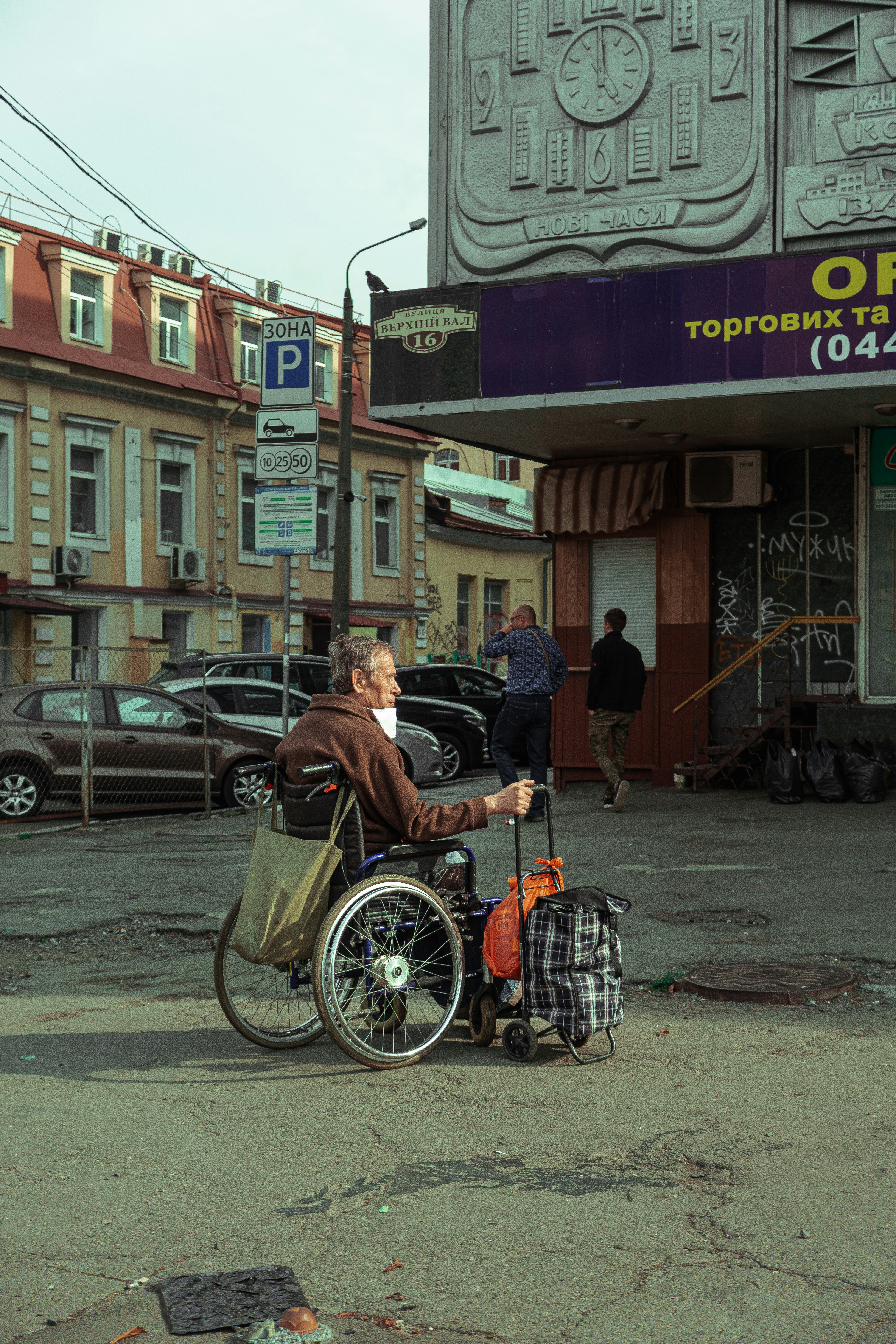
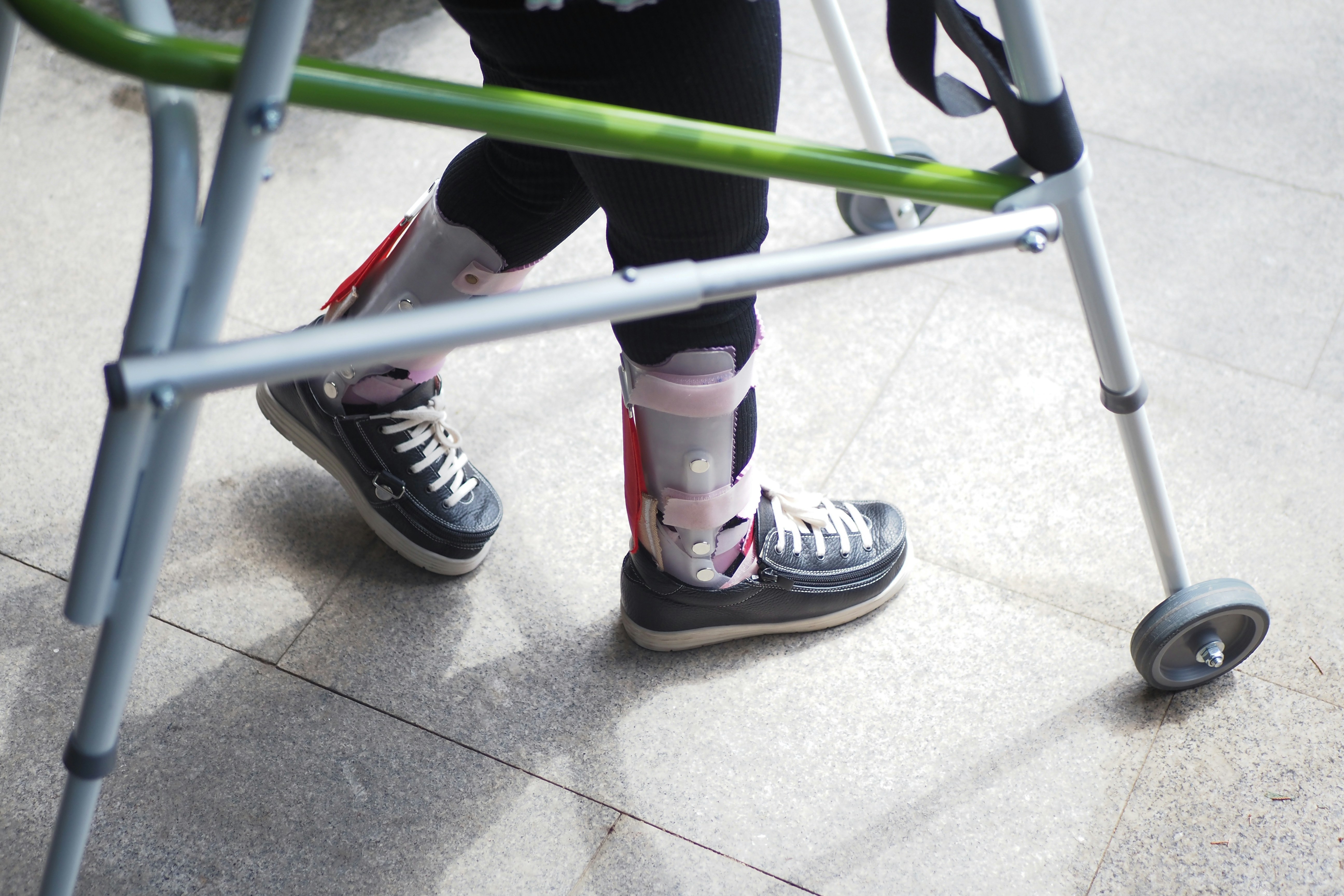
- Rollatoren und Gehhilfen fuer mehr Sicherheit und besseres Pacing
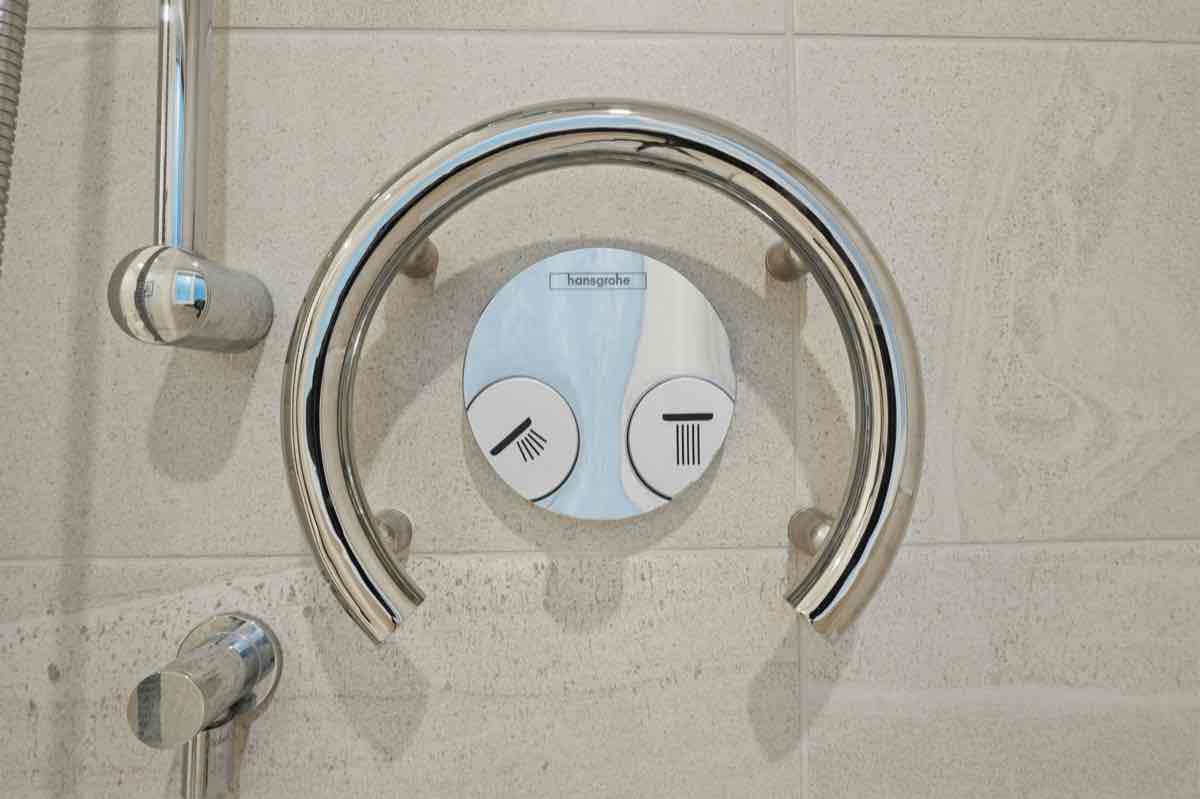
- Badezimmerunterstuetzung fuer Toilette und Dusche
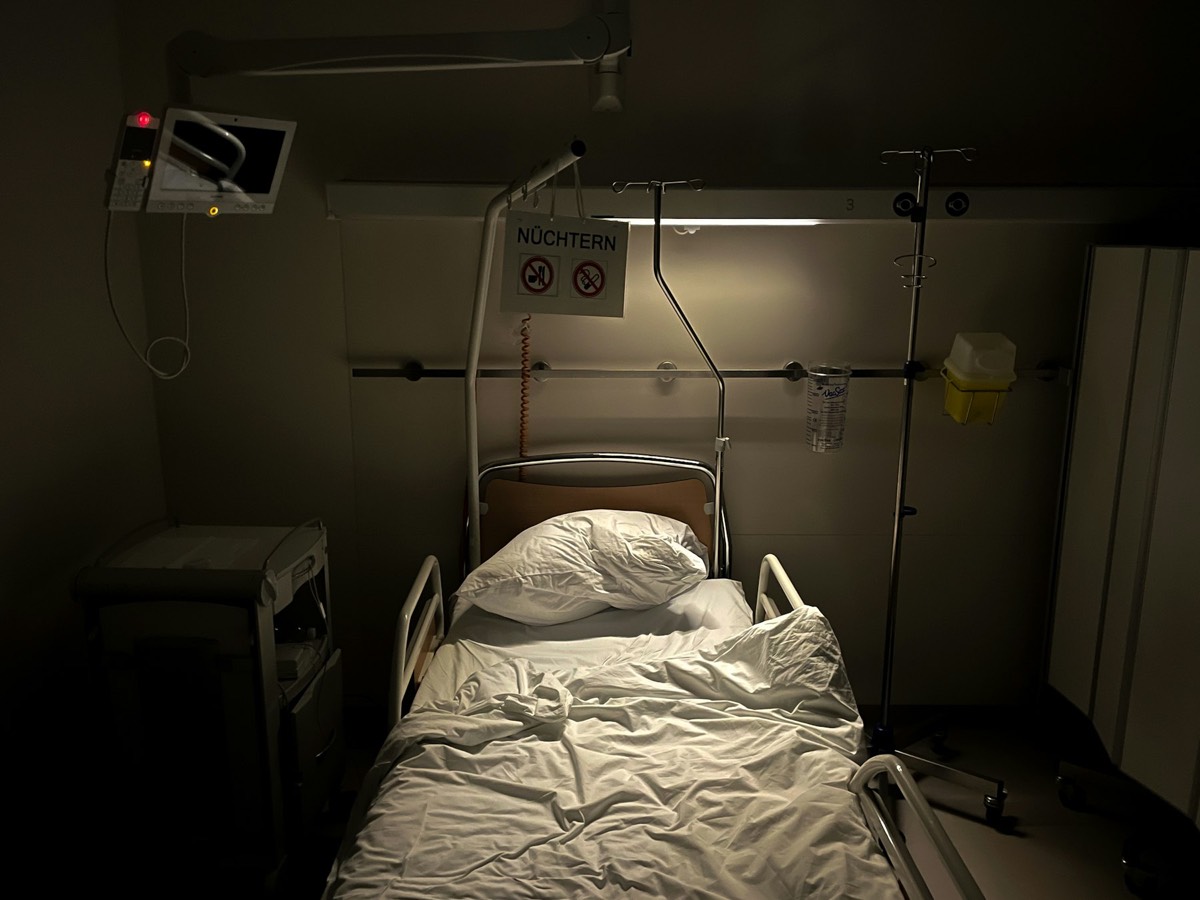
- Betten oder Nachtunterstuetzung, wenn Nachttransfers riskant werden
Wie das Setup im Alltag haelt
Hilfsmittel verhindern Stuerze nur, wenn sie jeden Tag leicht zu nutzen sind. Wenn sie schwer erreichbar, umstaendlich zu positionieren oder instabil wirken, werden sie nicht dauerhaft genutzt.
Halten Sie das System einfach, sichtbar und an den haeufigsten Routinen ausgerichtet.
- Hauefig genutzte Unterstuetzung immer am gleichen Ort halten
- Wege nicht mit zu vielen sich ueberlappenden Hilfen ueberladen
- Die Passform nach jeder Veraenderung von Kraft oder Sicherheit erneut pruefen