Mobilitaetsfamilie
Rollatoren und unterstuetztes Gehen
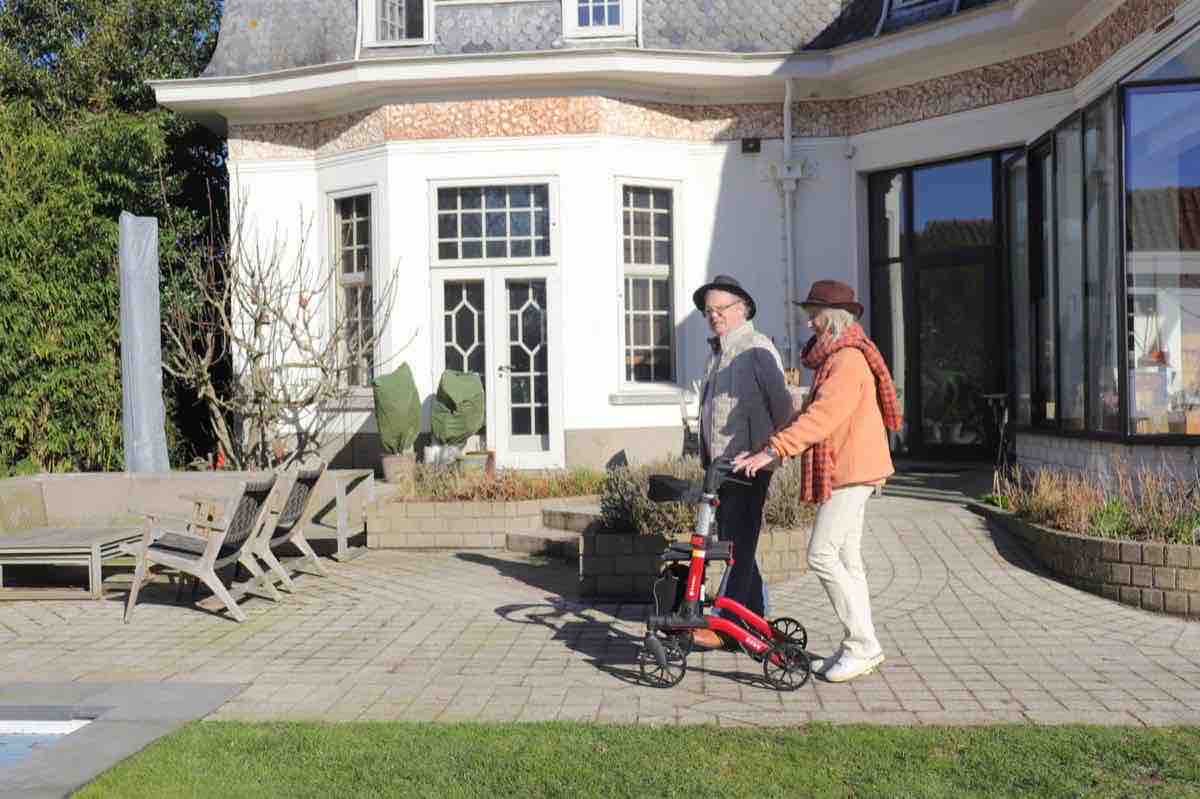
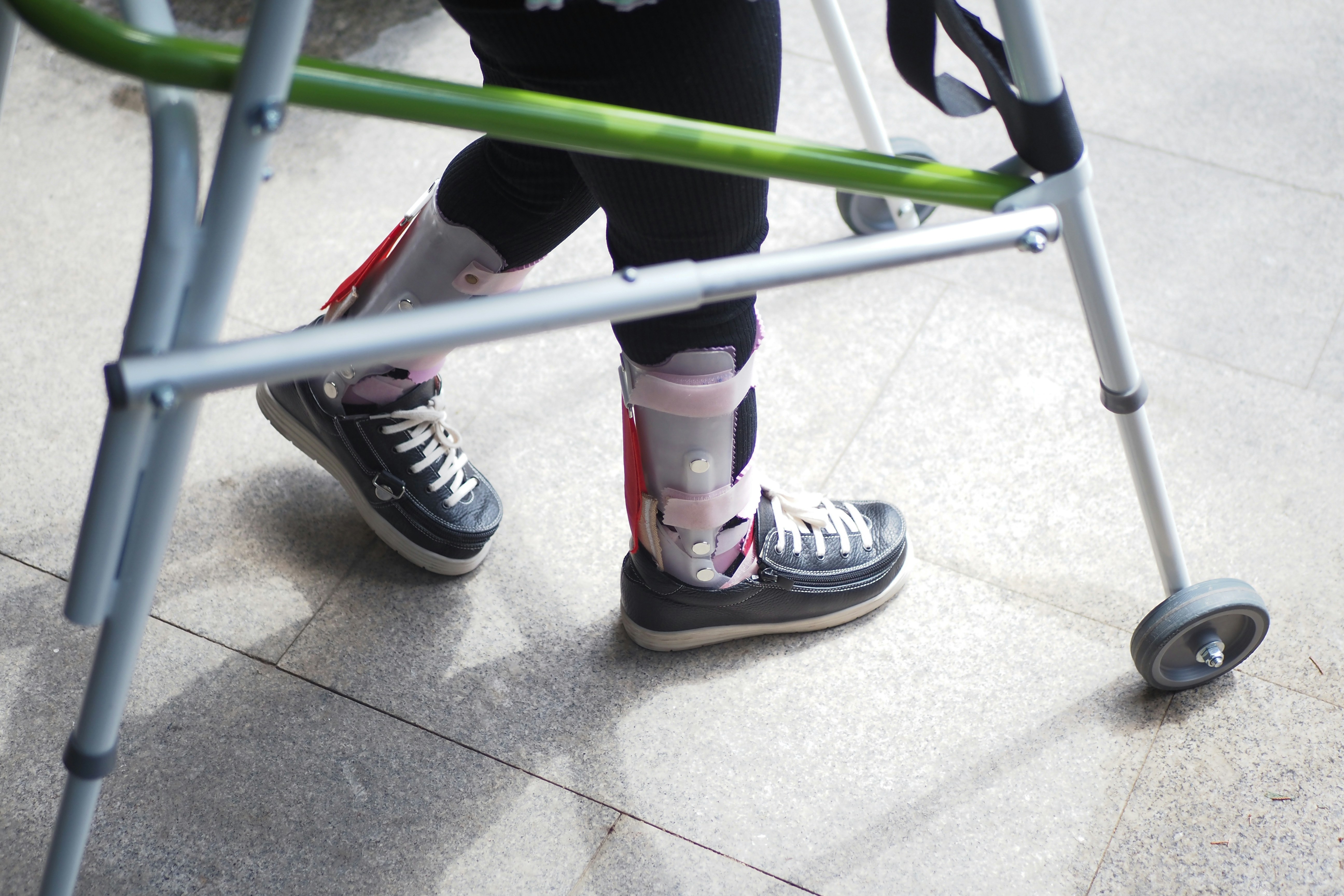
Rollatoren und Gehhilfen sind besonders hilfreich, wenn jemand noch geht, aber mehr Konstanz, besseres Pacing, sicheres Bremsen oder Unterstuetzung braucht, um Alltagswege zuverlaessig zu schaffen.
Vergleichen Sie Gewicht, Bremsen, Faltmass und den Hauptnutzungsort.
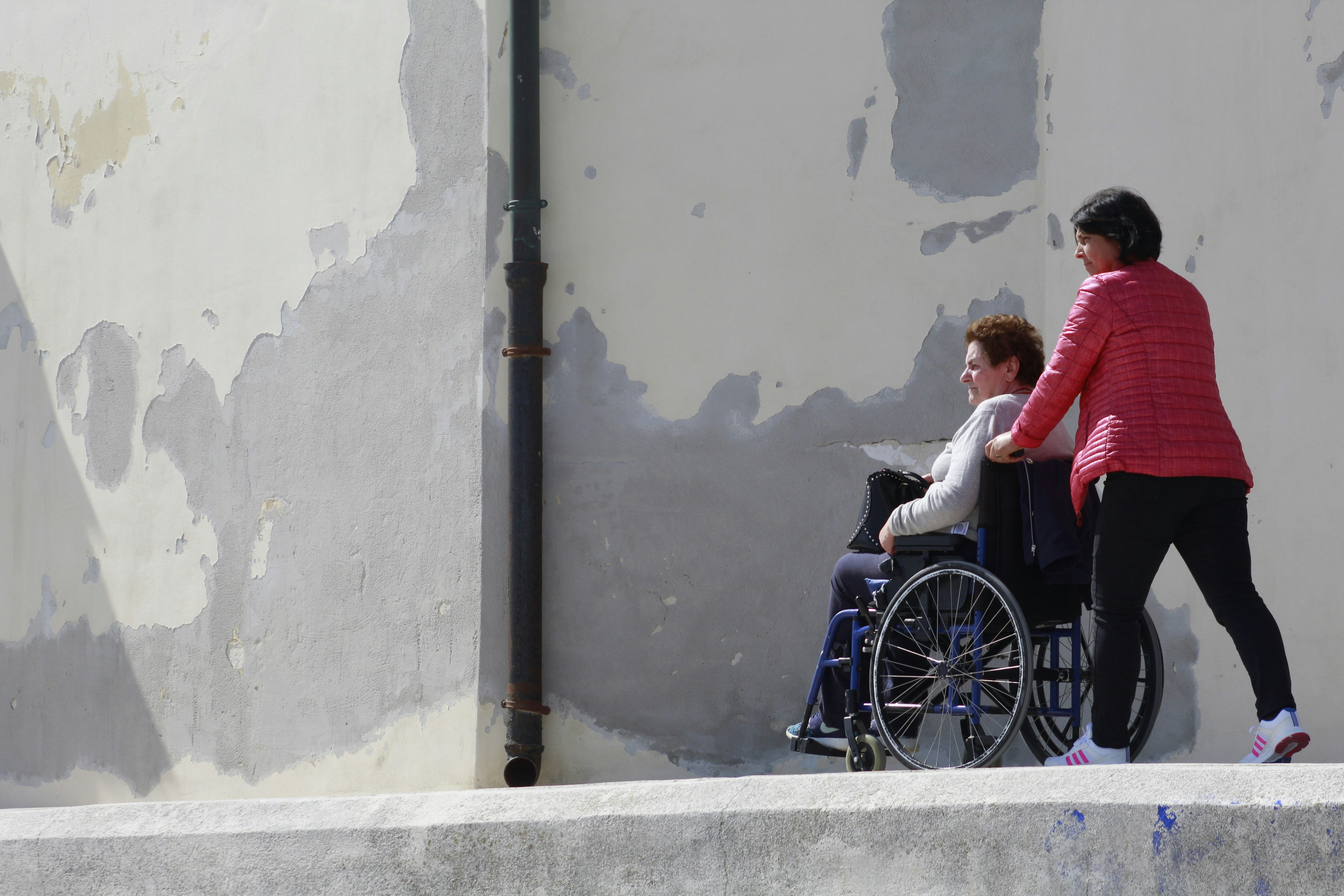
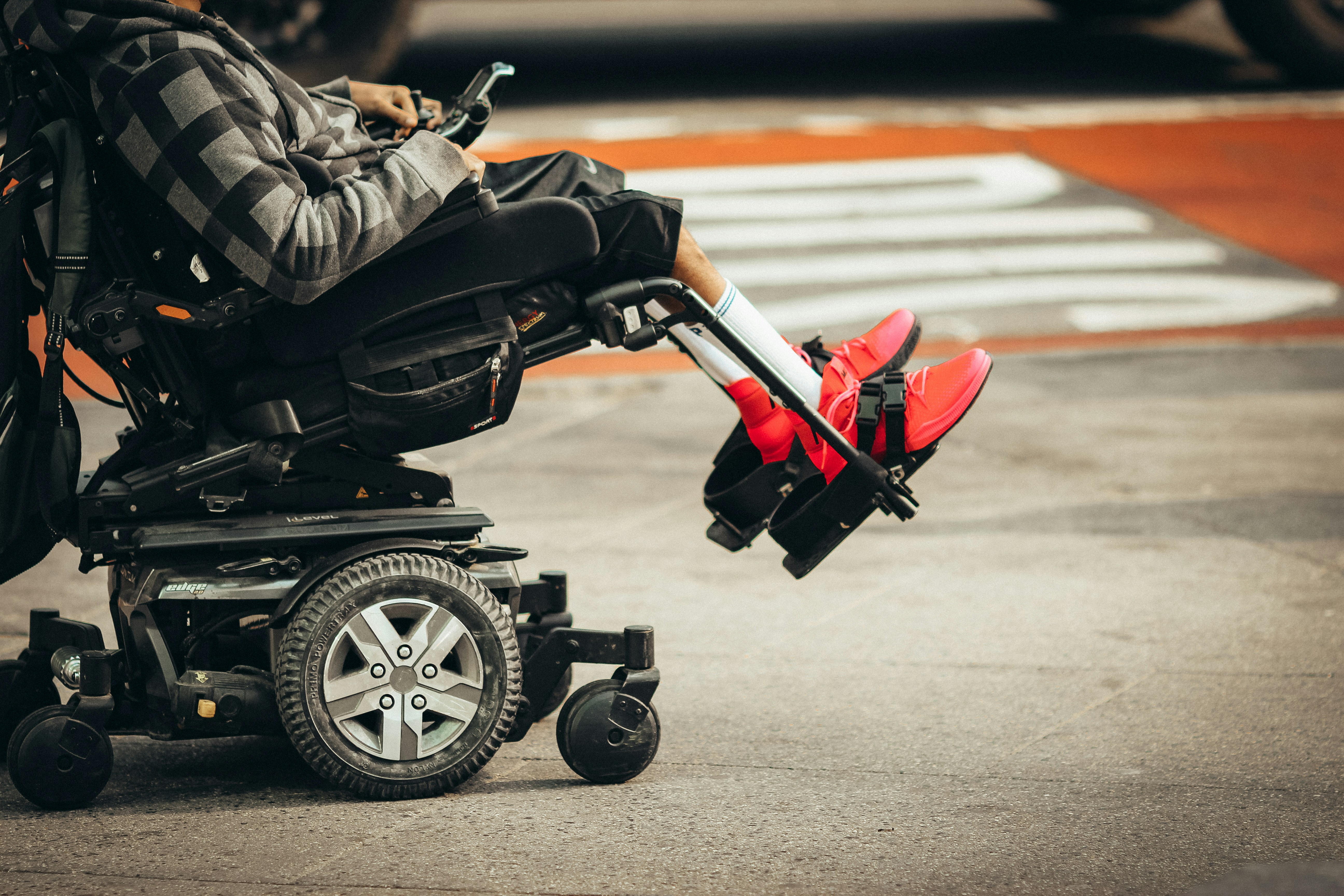
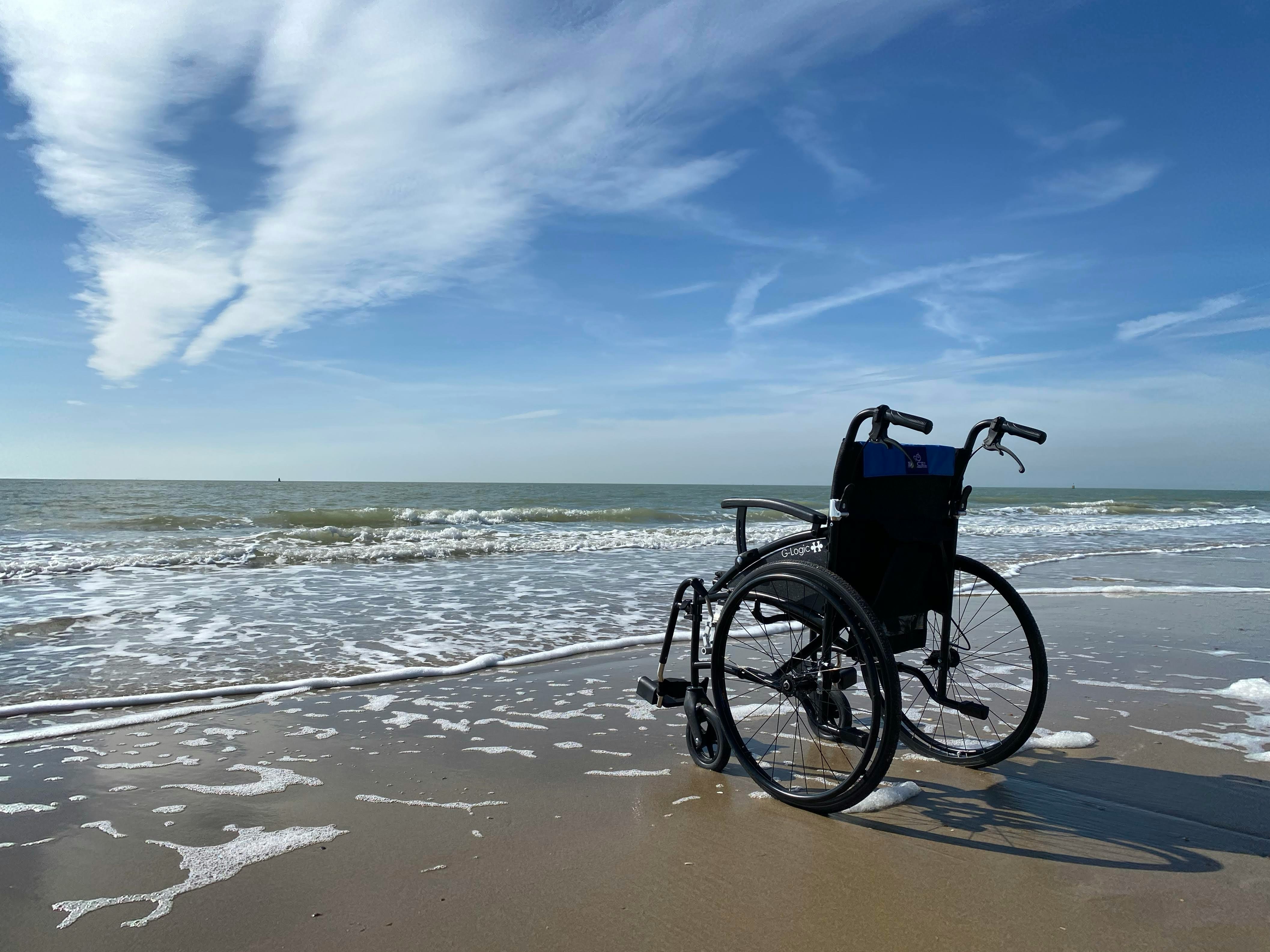
Bildnachweis: EnabledHub archive
Wendekreis innen
Aussengelaende
Verladegewicht
Fuer wen diese Familie geeignet ist
Diese Familie passt zu Menschen, die noch gehen, aber mehr Stabilitaet, Pacing, Ruhemoeglichkeit oder Sicherheit auf den taeglichen Wegen brauchen. Die beste Wahl haengt davon ab, ob Ausdauer, Gleichgewicht, Aussenwege, Wendungen oder alles zusammen das Hauptproblem sind.
Diese Produkte bilden oft die Bruecke zwischen selbststaendigem Gehen und strukturierterer Mobilitaetsunterstuetzung.
- Geeignet fuer Menschen, die noch gehen, aber von Unterstuetzung profitieren
- Oft fuer das sichere Absolvieren von Wegen gewaehlt, nicht nur fuer Symptomkontrolle
- Koennen Ermuedung senken und Sicherheit steigern, wenn sie gut passen
Wie die Passform bewertet wird
Beginnen Sie mit der echten Route: Wendungen innen, Schwellen, Aussenflaechen, Verladen ins Auto, Aufbewahrung und wie oft Sitzpausen gebraucht werden.
Pruefen Sie danach Handfunktion, Bremszuverlaessigkeit, Faltmass und ob die Person das Geraet unter Stress oder Ermuedung beherrschen kann.
- Wenderadius in Innenraeumen
- Aussenuntergrund und Radverhalten
- Sicherheit im Umgang mit den Bremsen
- Praktikabilitaet beim Verladen und Verstauen
Hauefige Varianten und Abwaegungen
Leichtere Gehhilfen lassen sich oft einfacher heben und verstauen, koennen sich aber weniger stabil anfuehlen. Staerker stuetzende Rollatoren laufen draussen oft besser und bieten bessere Sitzmoeglichkeiten, sind in kleinen Wohnungen aber sperriger.
Das beste Modell passt meist zur schwierigsten Route der Woche und nicht zur leichtesten des Tages.
- Kompakte Gehhilfen fuer Innenraeume
- Robustere Rollatoren fuer gemischtes Terrain
- Modelle mit besserem Sitz und Rastmoeglichkeiten fuer das Pacing
Wann eine andere Mobilitaetslinie besser passt
Wenn Wendungen, Haltung, Ausdauer oder Ermuedung zu stark limitieren oder Wege selbst mit Gehunterstuetzung nicht wirklich geschafft werden, passt moeglicherweise eine andere Mobilitaets- oder Sitzloesung besser.
Rollatoren und Gehhilfen sind dann stark, wenn Gehen mit Unterstuetzung weiterhin sinnvoll und wiederholbar bleibt. Schwach werden sie, wenn sie nur ein offensichtlich unpassendes Setup verzoegern.
- Zu einer hoeheren Unterstuetzungsstufe wechseln, wenn Wege nicht verlaesslich gelingen
- Sitzunterstuetzung in Betracht ziehen, wenn Haltung und Ermuedung dominieren
- Nicht nur nach Gewicht oder Stil waehlen, ohne reale Wege zu testen