Krankheitsbilder
Wie die Schlaganfall-Reha den Bedarf bei Transfers, Gehen, Baden und Alltagsroutinen veraendert.
Hilfsmittelentscheidungen nach einem Schlaganfall drehen sich oft um veraenderte Mobilitaet, einseitige Schwaeche, Ermuedung, Transfers und darum, wie viel alltaegliche Unterstuetzung Betreuungspersonen leisten muessen.
Warum sich der Hilfsmittelbedarf nach einem Schlaganfall aendert
Nach einem Schlaganfall geht es bei der Auswahl selten nur um ein einzelnes Produkt. Die eigentliche Aufgabe ist, Unterstuetzung an Kraft, Gleichgewicht, Tonus, Ausdauer, Kognition und Sicherheit im gesamten Tagesablauf anzupassen.
Eine Person braucht vor allem Hilfe bei Badtransfers und kurzen Gehstrecken. Eine andere benoetigt eher strukturierteres Sitzen, sicherere Bett-Stuhl-Transfers und einen fuer Betreuungspersonen leichteren Aufbau bei jeder Aufgabe.
- Betrachten Sie den ganzen Ablauf statt nur einen Raum oder eine Aufgabe.
- Bewerten Sie nach grossen Reha-Fortschritten oder Rueckschritten neu.
- Stabilitaet und Wiederholbarkeit sind wichtiger als eine einmalige gute Leistung.
Was vor der Auswahl geprueft werden sollte
Beginnen Sie mit dem Transfermuster: Bett zu Stuhl, Stuhl zu Toilette, Zugang zur Dusche und ob die Person mit Hilfe drehen oder aufstehen kann oder einen staerker unterstuetzten Transferweg braucht.
Pruefen Sie danach Geh-Ausdauer, Ermuedung im Tagesverlauf, Arm- und Handfunktion, Wendeflaechen zu Hause und ob Betreuungspersonen das Hilfsmittel schnell und konstant bereitstellen koennen.
- Stehtoleranz und Faehigkeit zum Drehen
- Einseitige Schwaeche und Zuverlaessigkeit des Griffs
- Badlayout und Tuerenbreite
- Belastung der Betreuungsperson bei wiederholten Transfers
Besonders relevante Hilfsmittelfamilien
In der Schlaganfall-Reha fuehren oft drei Linien weiter: unterstuetztes Gehen, Transferhilfe und Badezimmerequipment, das das Sturzrisiko senkt, ohne den Ablauf unnoetig kompliziert zu machen.
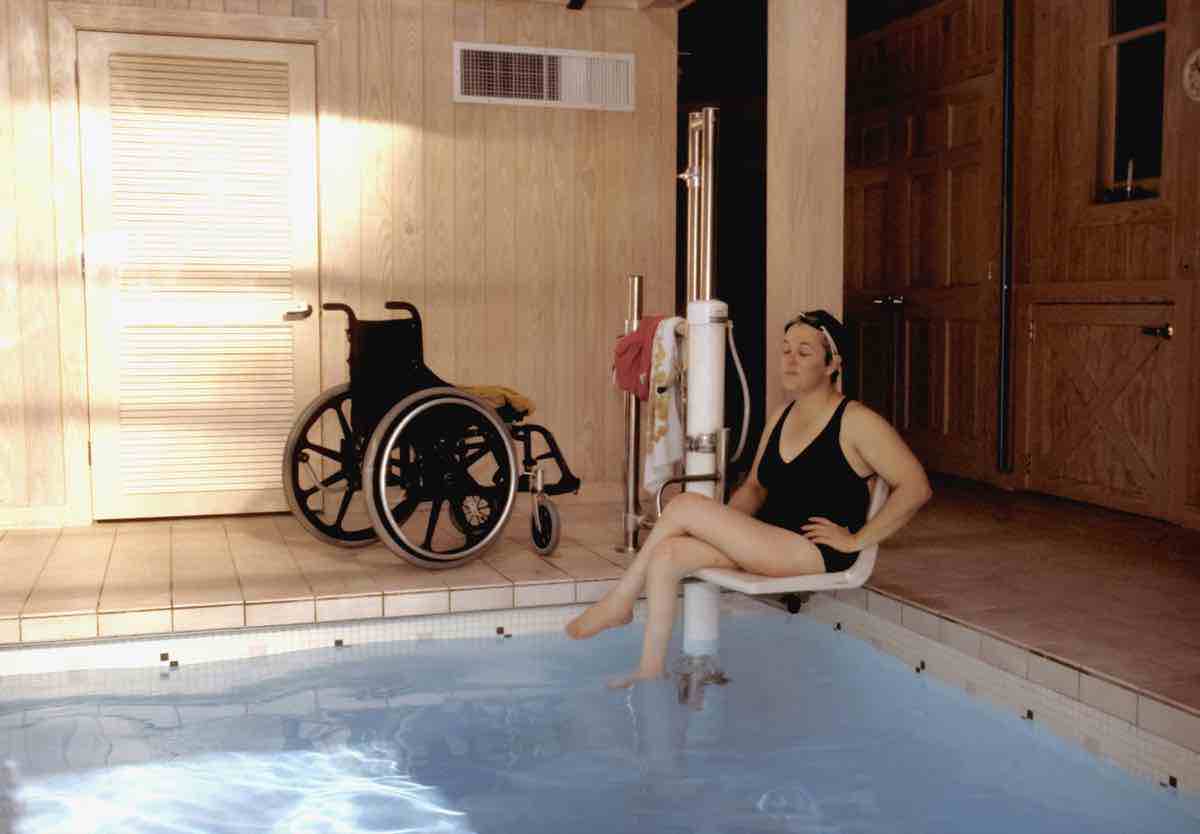
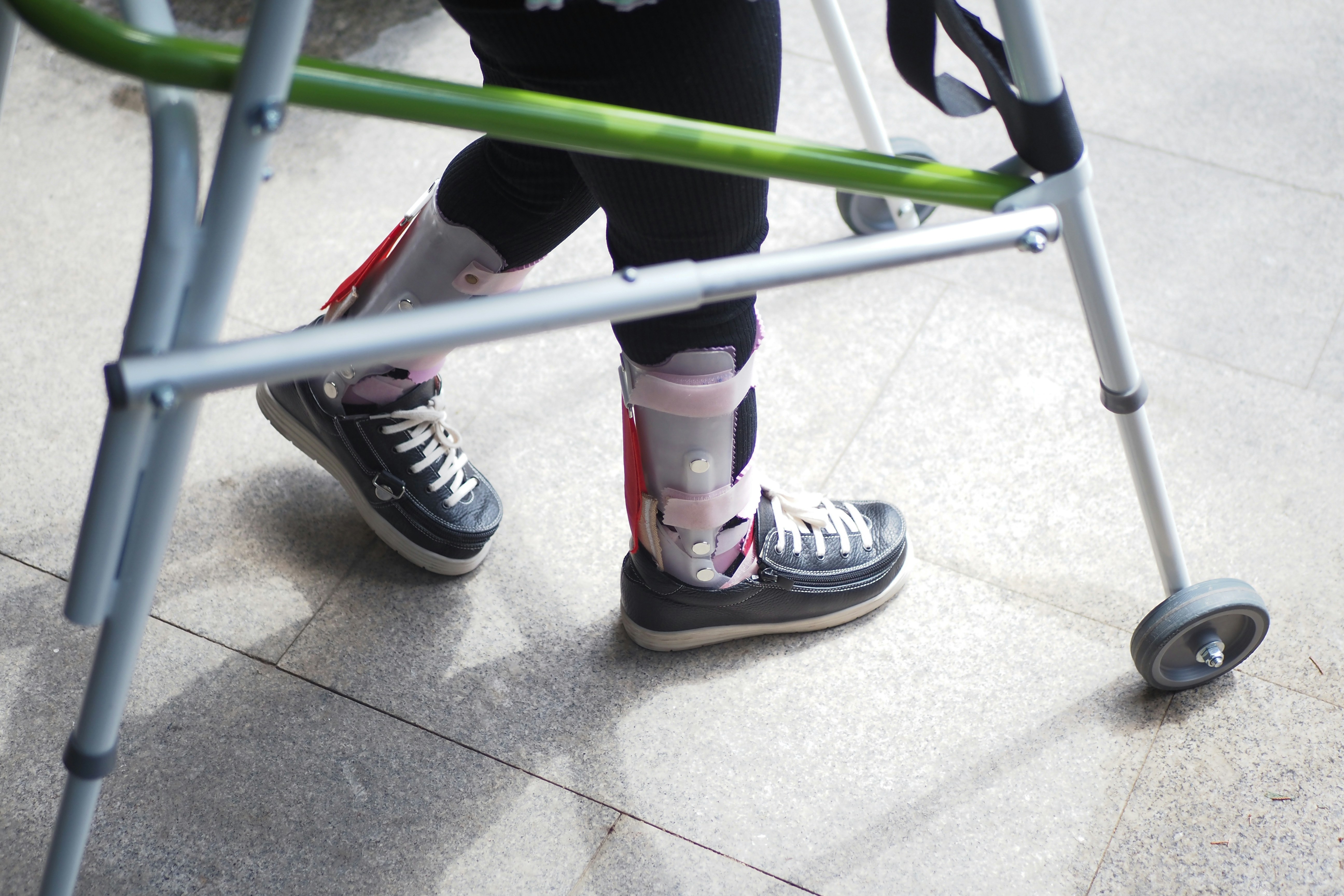
Das bedeutet haeufig den Vergleich von Rollatoren oder Gehhilfen, Dreh- und Transferhilfen sowie Dusch-Toilettenstuehlen oder Badeloesungen je nach Umgebung.
- Rollatoren und Gehhilfen fuer mehr Sicherheit und Ausdauer auf kurzen Wegen
- Transfer- und Drehhilfen fuer wiederholte Bett-Stuhl-Toiletten-Routen
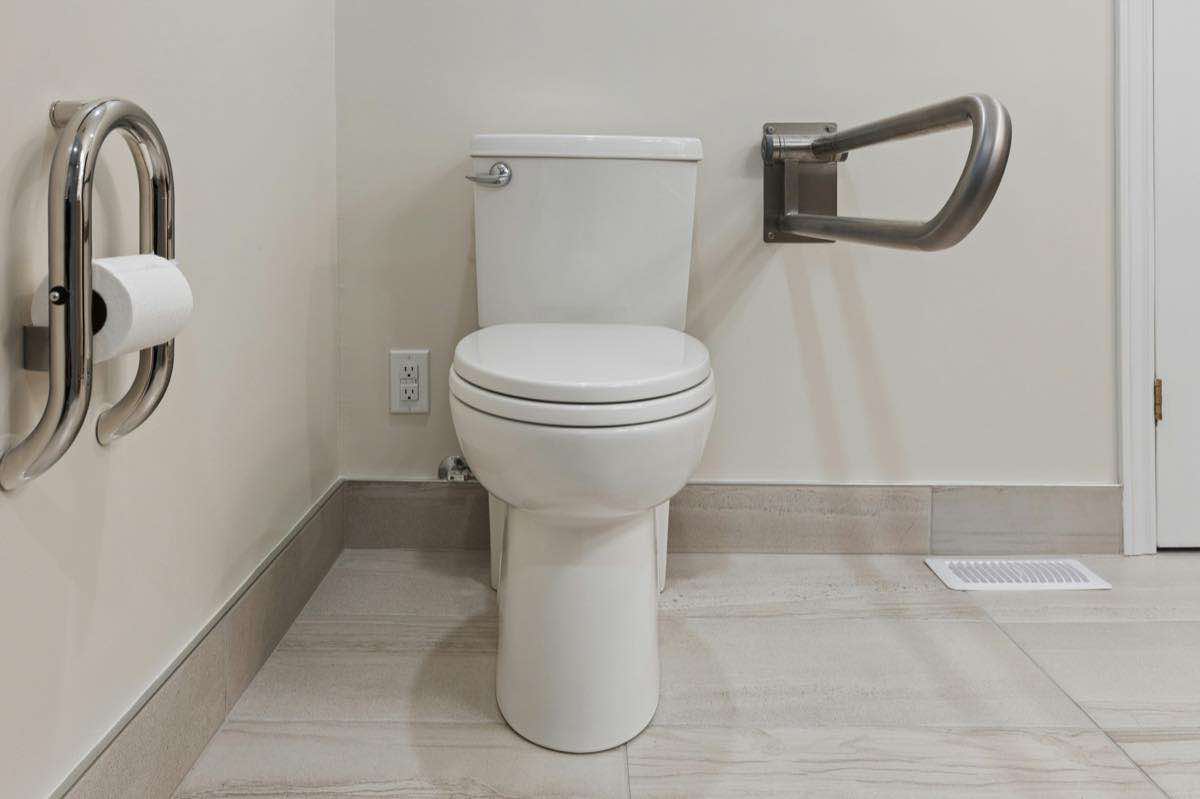
- Dusch-Toilettenstuehle und Badezimmersupport fuer Hygiene mit geringerem Sturzrisiko
Ablauf fuer Betreuung und Zuhause
Die beste Loesung ist oft diejenige, die Betreuungspersonen jeden Tag sicher wiederholen koennen. Wenn der Aufbau unhandlich ist, Bremsen unzuverlaessig sind oder Hygiene erschwert wird, erreicht das Hilfsmittel nicht das gewuenschte Ergebnis.
Bauen Sie zuerst um den anspruchsvollsten Teil der Routine herum und ergaenzen Sie weitere Loesungen nur dort, wo sie Risiko oder Aufwand klar senken.
- Produkte mit vorhersehbaren Aufbauschritten waehlen
- Sitzhoehen, Stuetzpunkte und Transferhinweise dokumentieren
- Nicht zu frueh mehrere sich ueberlappende Geraete anschaffen