Pflegeablauf
Drehhilfen und Stehunterstuetzung
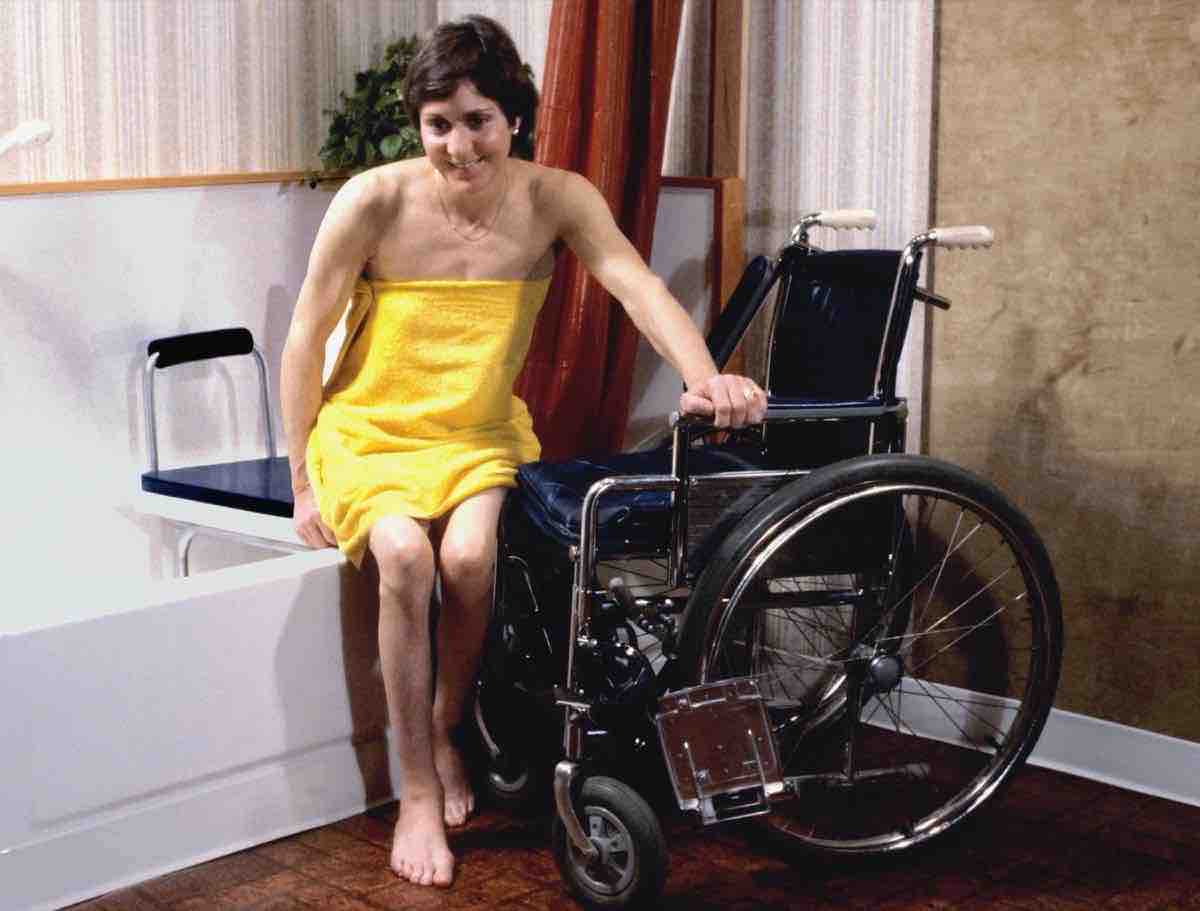
Transferdreher und Aufsteh-/Transferhilfen sind besonders nuetzlich, wenn wiederholte Bett-Stuhl-Toiletten-Wege der eigentliche Engpass sind und die Belastung fuer Betreuung sinken muss.
Waehlen Sie nach Mitarbeit, Raumfreiheit und ob Drehhilfe oder kompletter Lift noetig ist.
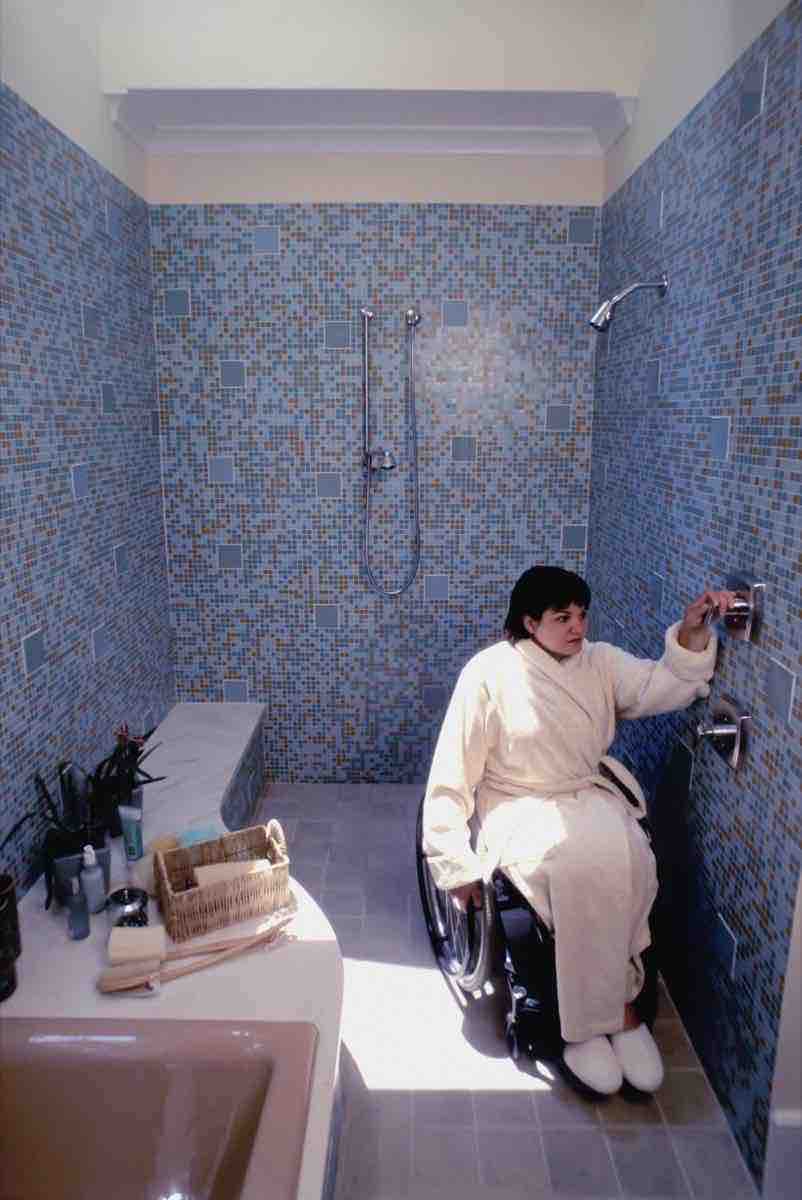
Bildnachweis: EnabledHub archive
Standflaeche
Mitarbeit
Bremsen und Stuetzpunkte
Fuer wen diese Familie geeignet ist
Transferdreher sind stark, wenn die Person noch am Stehen oder Drehen teilnehmen kann, der wiederholte Weg zwischen Bett, Stuhl und Toilette aber koerperlich anstrengend oder unzuverlaessig geworden ist.
Sie werden oft gewaehlt, um Betreuungspersonen zu entlasten und gleichzeitig einen kuerzeren, direkteren Transferweg als bei einem vollstaendigen Hebevorgang zu erhalten.
- Am besten geeignet, wenn noch eine gewisse Stehteilnahme moeglich ist
- Hilfreich fuer kurze, wiederholte Transferwege
- Oft gewaehlt, um Belastung zu senken ohne sofort auf einen kompletten Lifter zu wechseln
Was vor der Auswahl geprueft werden sollte
Pruefen Sie, ob die Person die benoetigte Standposition toleriert, ob Fuss- und Knieunterstuetzung passen und ob der Raum genug Platz fuer sicheren Ansatz und Drehung bietet.
Ebenso wichtig ist, ob Betreuungspersonen das Geraet verlaesslich aufstellen und bremsen koennen und ob die Transferfolge im realen Umfeld funktioniert.
- Stehtoleranz und Beteiligungsgrad
- Ausrichtung von Fuss- und Knieunterstuetzung
- Raumfreiheit fuer Ansatz und Drehung
- Zuverlaessigkeit des Setups durch Betreuung
Hauefige Varianten und Abwaegungen
Einige Produkte sind einfache Drehhilfen, andere bieten staerkere Stehunterstuetzung, gefuehrtere Positionierung oder einen strukturierteren Transferweg.
Die Entscheidung haengt davon ab, wie viel Unterstuetzung waehrend des Transfers noetig ist und nicht nur davon, ob die Person isoliert ein paar Sekunden stehen kann.
- Einfache Drehhilfen fuer leichteren Unterstuetzungsbedarf
- Staerker stuetzende Dreher bei geringerer Sicherheit und hoeherem Betreuungsbedarf
- Geraete als Bruecke zu staerker assistierten Transfers
Wann ein kompletter Hebeweg besser passt
Wenn Stehtoleranz unzuverlaessig ist, der Transfer trotz Hilfsmittel unsicher bleibt oder Betreuungspersonen zu stark kompensieren muessen, ist ein umfassenderer Hebeweg meist sicherer.
Transferdreher sind wertvoll, wenn sie die Route wirklich vereinfachen. Sie sind ungeeignet, wenn sie nur verdecken, dass eigentlich eine hoehere Unterstuetzungsstufe noetig ist.
- Bei ungleichmaessiger Beteiligung eine hoehere Unterstuetzungsstufe waehlen
- Pivot-Loesungen nicht erzwingen, wenn die Route unsicher bleibt
- Transfers nach realer Ermuedung und nicht nur nach einer Vorfuehrung pruefen