Krankheitsbilder
Wie ein Hueftgelenkersatz Sitzhoehe, Badezimmerzugang, Gehunterstuetzung und fruehe Reha-Entscheidungen veraendert.
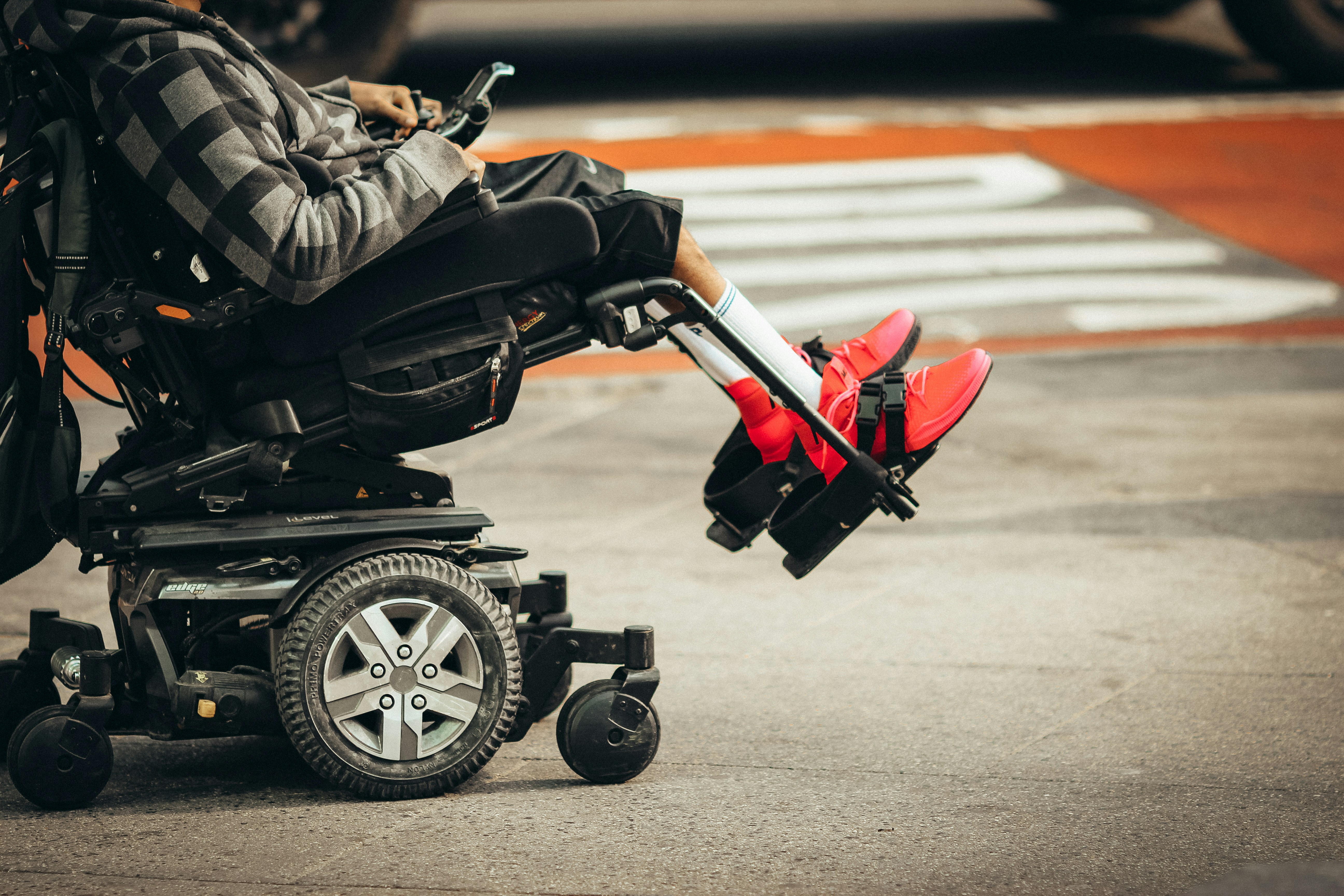
Nach einem Hueftgelenkersatz betreffen die wichtigsten Hilfsmittelentscheidungen meist sicheres Hinsetzen und Aufstehen, Badezimmerzugang, Gehsicherheit und Setups, die unguenstiges Buecken oder Drehen vermeiden.
Bildnachweis: EnabledHub archive
Warum das Badezimmer zur Prioritaet wird
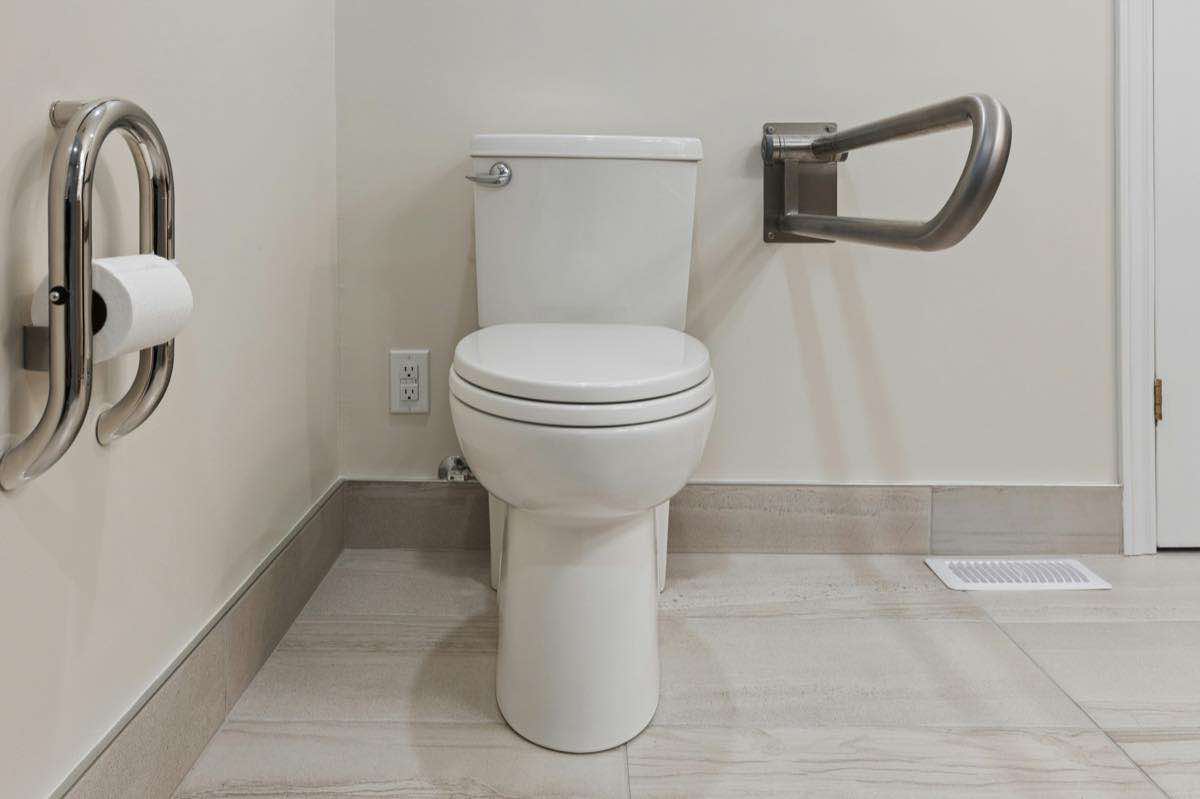
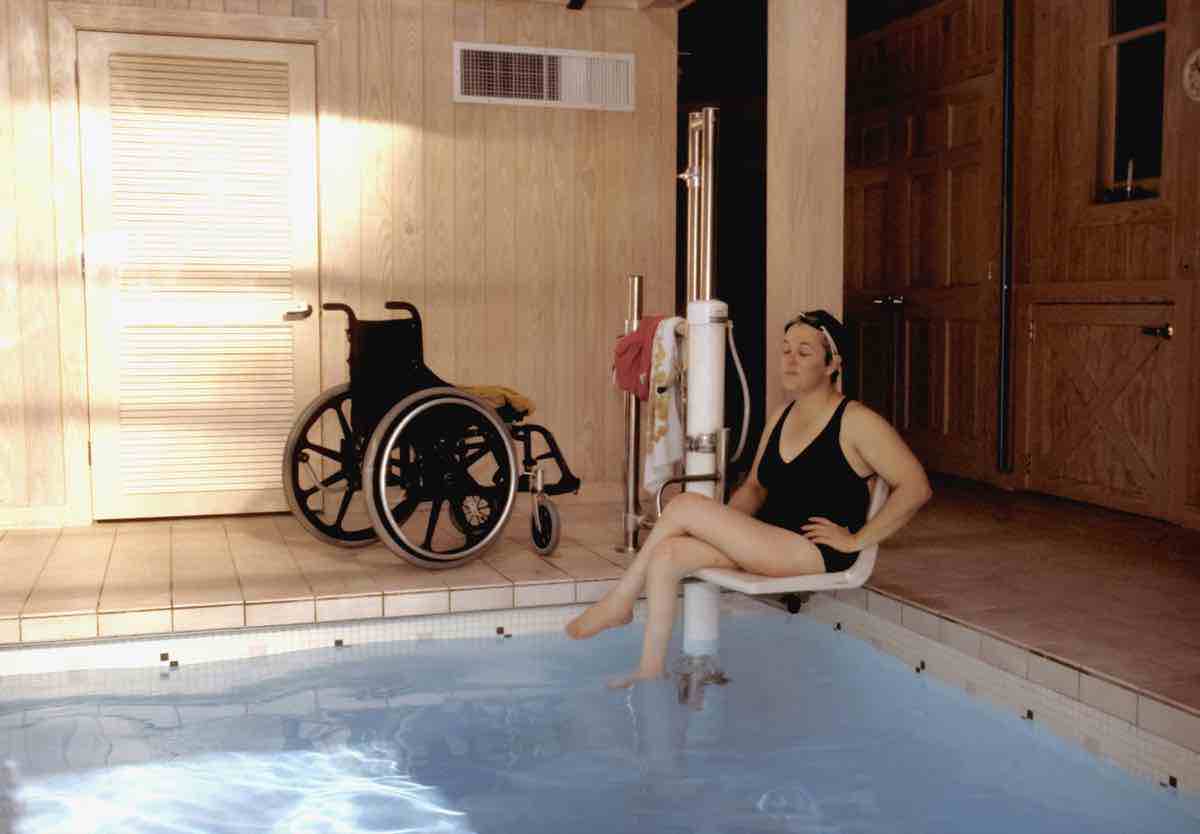
Nach einem Hueftgelenkersatz liegen einige der hoechsten Risiken im Badezimmer: die Annnaeherung an die Toilette, Hinsetzen und Aufstehen von niedrigen Sitzen, der Einstieg in die Dusche und der Umgang mit rutschigen Flaechen, waehrend Sicherheit erst langsam zurueckkehrt.
Schon kleine Hilfsmittelentscheidungen koennen diese Routinen deutlich besser beherrschbar machen, besonders wenn sie tiefe Transfers und unguenstige Drehbewegungen reduzieren.
- Zuerst Sitzhoehe und Anfahrtswinkel pruefen.
- Buecken, Verdrehen und instabiles Drehen reduzieren.
- Eine klare Routine ist besser als mehrere kurzfristige Notloesungen.
Was geprueft werden sollte
Pruefen Sie Toilettenhoehe, Duscheinstieg, Schwellen, Bett- und Stuhlhoehe sowie ob Gehunterstuetzung drinnen, draussen oder in beiden Bereichen noetig ist.
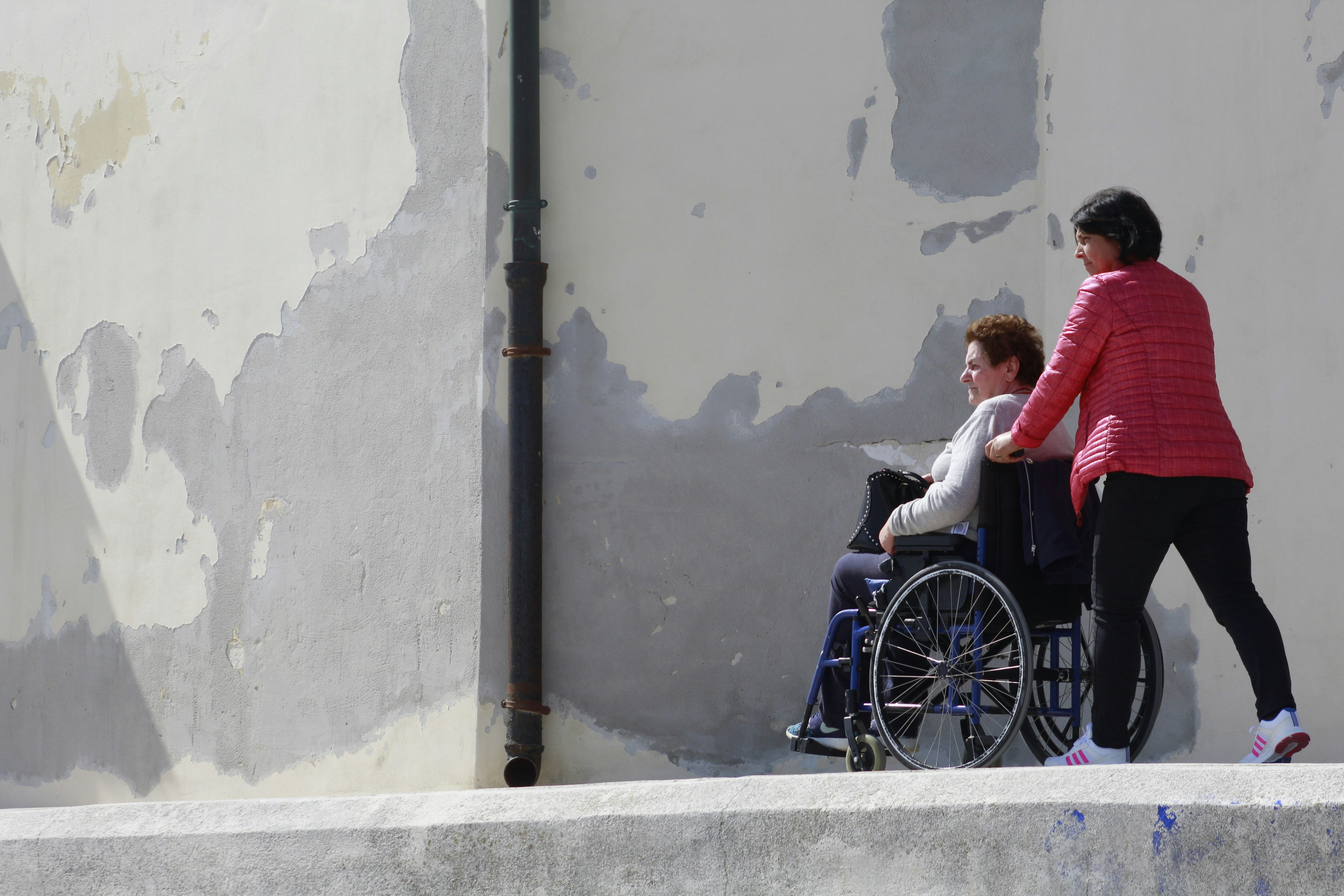
Achten Sie auch darauf, ob die Erholung weitgehend selbstorganisiert ist oder ob waehrend der ersten Phase Hilfe bei Baden und Transfers noetig wird.
- Unterschiede zwischen Bett- und Sitzhoehe
- Wendeflaeche im Badezimmer
- Bedarf an Gehunterstuetzung auf kurzen Wegen zuhause
- Voruebergehende oder laengerfristige Erholungsunterstuetzung
Besonders relevante Hilfsmittelfamilien
Bei vielen Routinen nach Hueftgelenkersatz ist ein Mix aus Gehunterstuetzung, Toilettenhilfe und Badezimmerzugang der beste Ausgangspunkt.
Das bedeutet haeufig den Vergleich von Gehhilfen oder Rollatoren, erhoehten oder assistierten Hygieneloesungen und Bade- oder Duschprodukten, die die fruehe Erholung einfacher und sicherer machen.
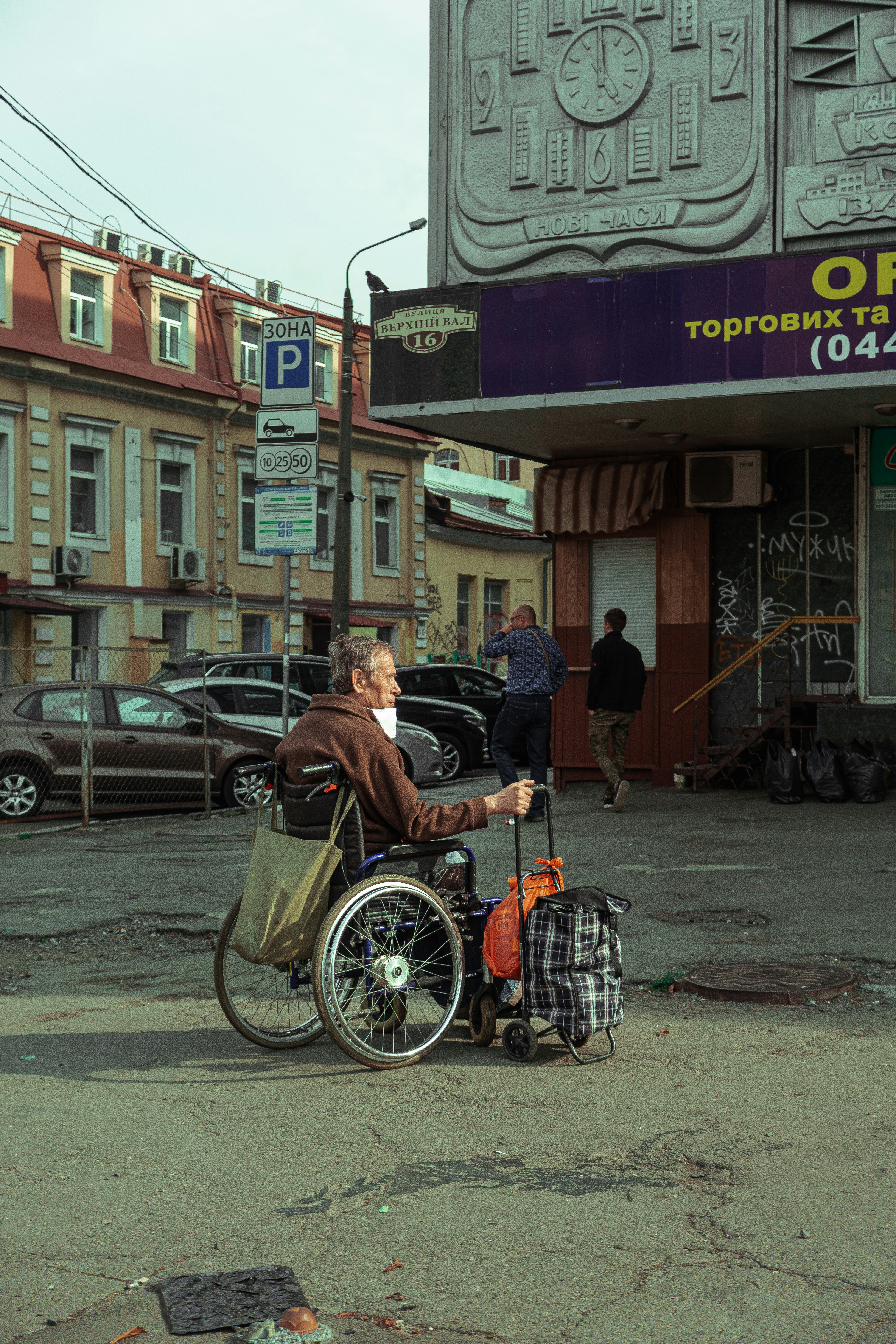
- Rollatoren und Gehhilfen fuer sicherere Wege waehrend die Sicherheit zurueckkommt
- Badezimmer-Sitzhilfen und Hygieneunterstuetzung zur Reduktion tiefer Transfers
- Badetransfer-Produkte, wenn Duschen nicht die Hauptloesung ist
Wie die Reha praktisch bleibt
Versuchen Sie, die Erholung nicht aus unverbundenen Zusatzteilen zusammenzubauen. Wenige gut passende Produkte funktionieren meist besser als mehrere ueberlappende Geraete, die Unordnung und uneinheitliche Routinen erzeugen.
Waehlen Sie zuerst das Hilfsmittel fuer die schwierigsten Momente des Tages und erweitern Sie nur bei klarem Mehrwert.
- Die Route priorisieren, die sich aktuell am unsichersten anfuehlt
- Sitzhoehen in der Haupt routine moeglichst angleichen
- Leicht zu reinigende, reibungsarme Badezimmerunterstuetzung waehlen