Krankheitsbilder
Wie Parkinson Gehen, Wenden, Haltung, Toilettenroutinen und Unterstuetzungsbedarf in der Nacht veraendert.
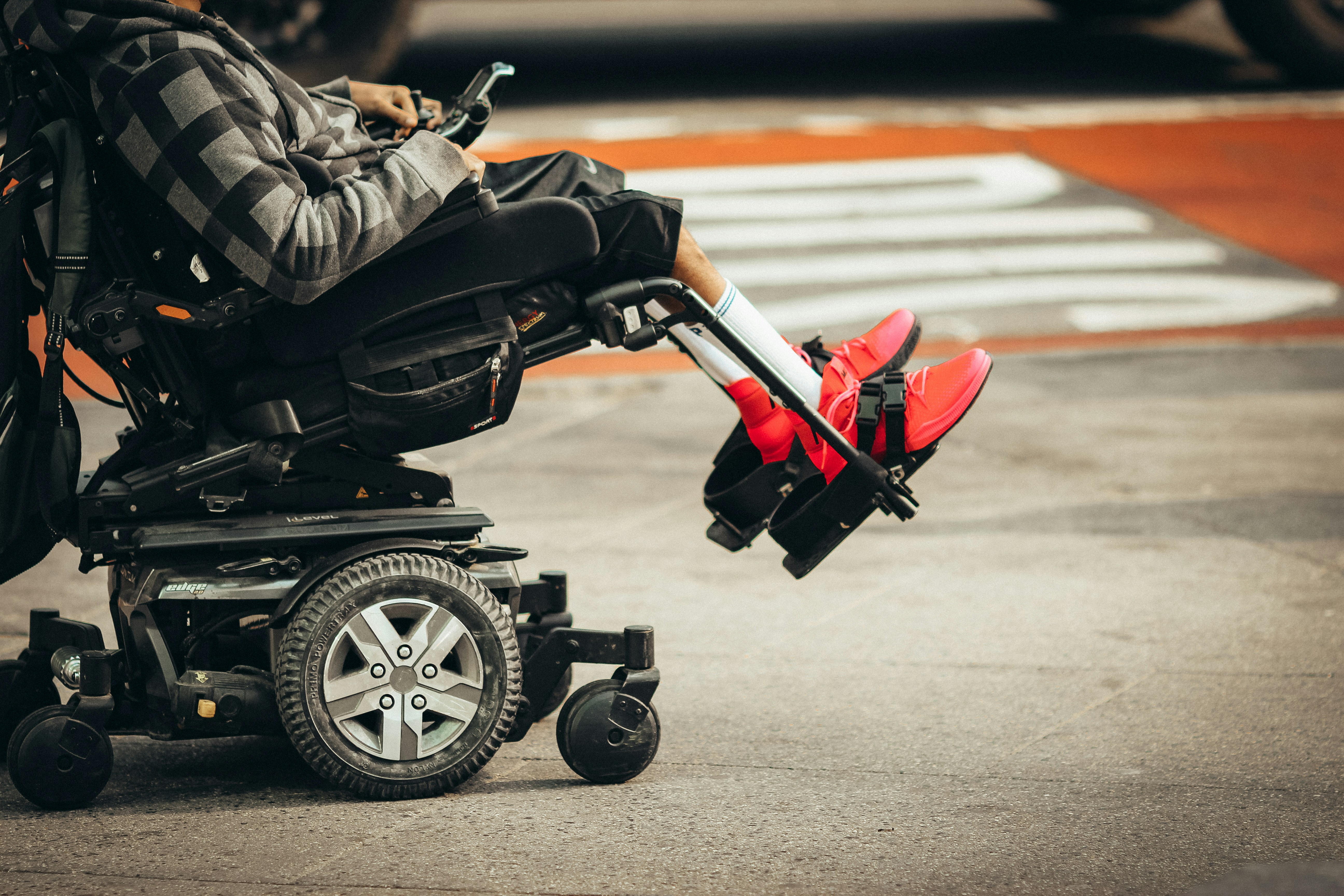
Hilfsmittelentscheidungen bei Parkinson haengen oft von Freezing, Wendungen, tagesabhaengiger Leistungsfaehigkeit, Ermuedung, Haltung und davon ab, ob Routinen unter Druck einfach bleiben.
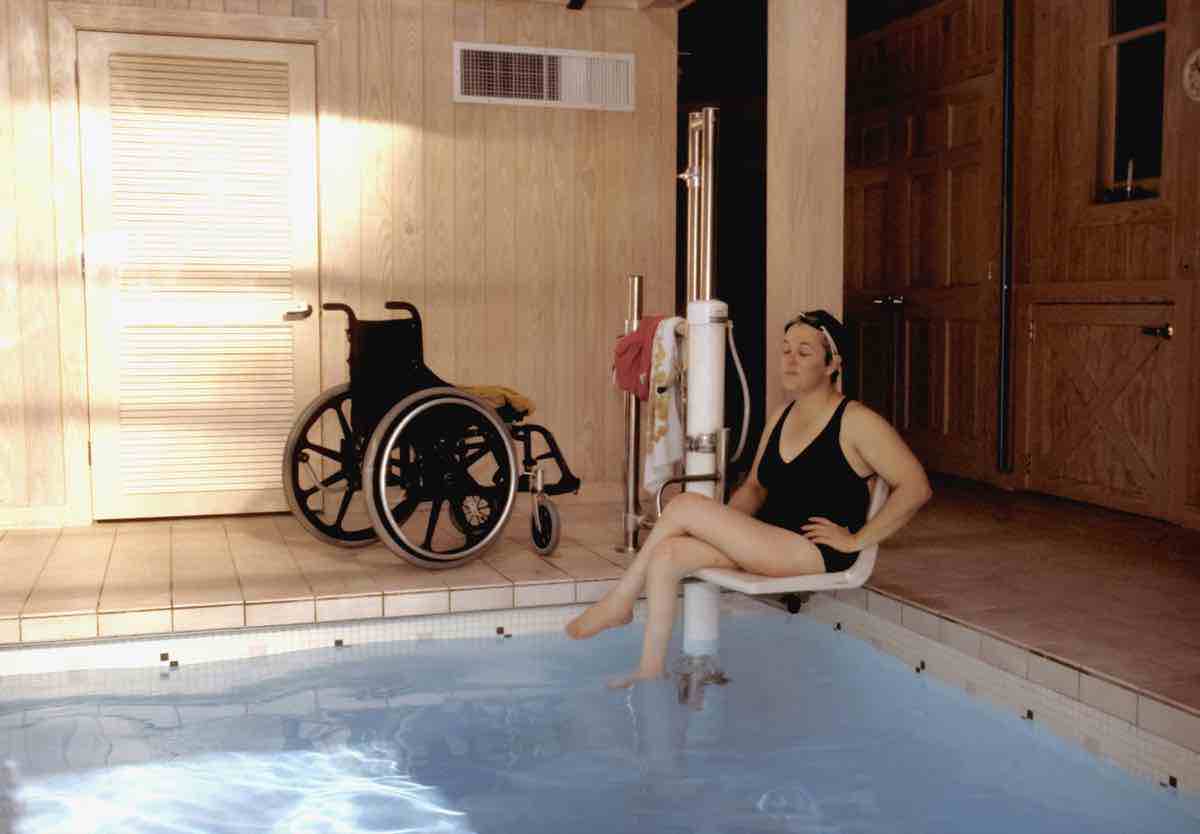
Bildnachweis: EnabledHub archive
Warum Parkinson die Entscheidungskriterien veraendert
Bei Parkinson geht es oft weniger um rohe Kraft als um Timing, Freezing, Bewegungsbeginn, Wendungen, Haltung und Leistungsunterschiede im Tagesverlauf.
Ein Produkt, das in einer kurzen Vorfuehrung gut aussieht, kann versagen, wenn die Person muede ist, in einer engen Badezimmertuer drehen muss oder frueh morgens und spaet abends Routinen bewaeltigt.
- Bewerten Sie schwankende Leistung statt nur Bestleistung.
- Wenden und Bewegungsbeginn sind oft wichtiger als geradeaus zu gehen.
- Nacht- und Badezimmerroutinen brauchen eine eigene Betrachtung.
Was zuerst geprueft werden sollte
Beginnen Sie mit den Momenten, in denen Zoegern oder Freezing Risiko erzeugen: Aufstehen, ins Bad drehen, rueckwaerts an einen Sitz herangehen und die Richtung in engen Raeumen wechseln.
Pruefen Sie danach Haltung, Ausdauer, Sturzgeschichte und ob die Person die meisten Routinen noch selbst steuert oder zunehmend auf Betreuung angewiesen ist.
- Freezing und Verhalten beim Wenden
- Anfahrt an Stuhl und Toilette
- Bedarf an Hinweisen bei Transfers
- Ermuedungsprofil ueber den Tag
Relevante Hilfsmittellinien
Viele Parkinson-Routinen profitieren von einer Kombination aus Mobilitaetsunterstuetzung, Sitz- oder Hygienesupport und in manchen Faellen strukturierter Nachtlagerung oder Bettunterstuetzung.
Das kann Rollatoren fuer sichereres Gehen, Rollstuehle oder Sitzunterstuetzung fuer fatigue-lastige Routinen und Schlafzimmerprodukte bedeuten, wenn Einsteigen, Aussteigen und Umlagern nachts schwierig werden.
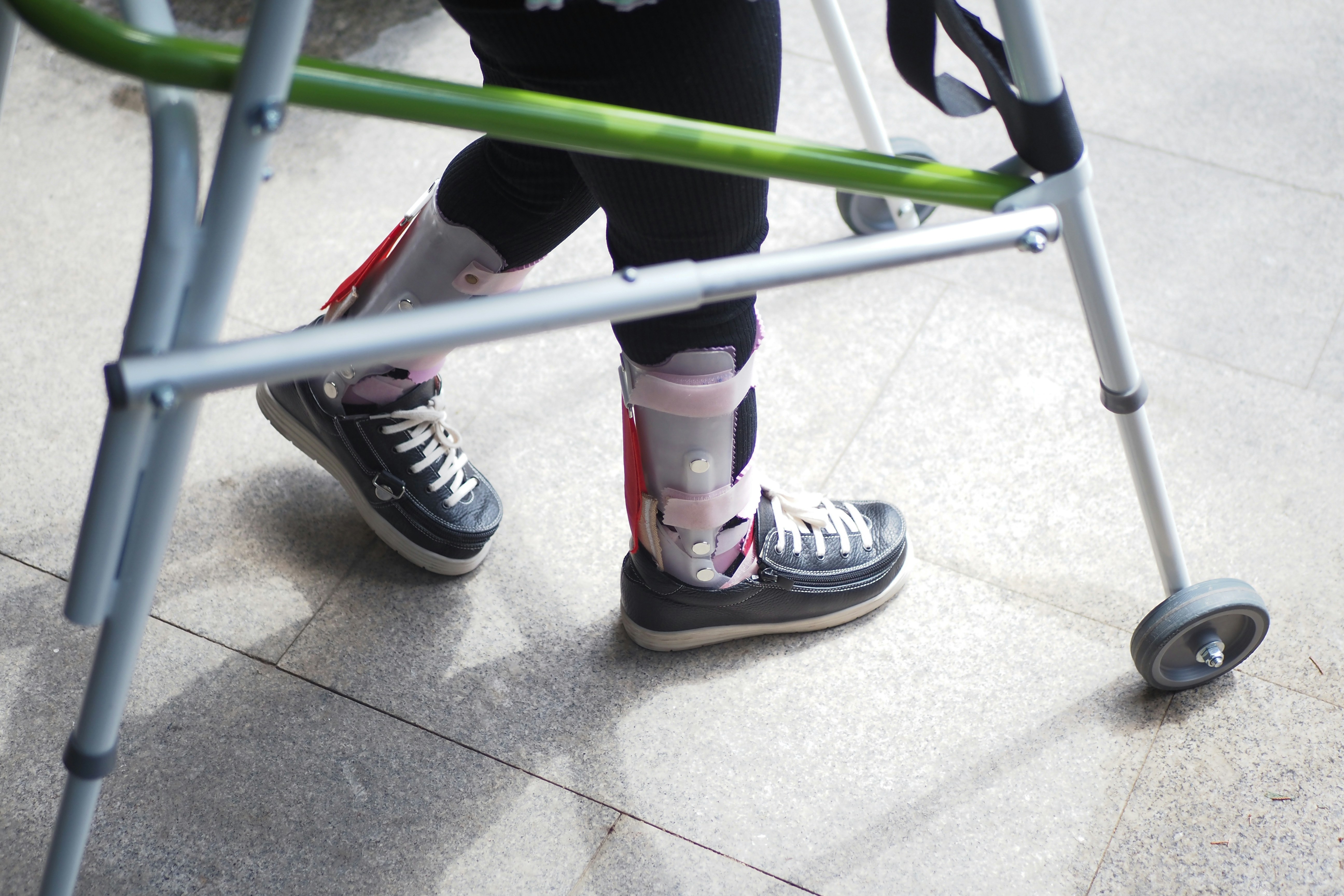
- Rollatoren und Gehhilfen fuer cue-freundliche unterstuetzte Mobilitaet
- Toiletten- und Hygienesupport fuer sicheren Ansatz und Aufstehen
- Betten und Nachtunterstuetzung, wenn Nachtpflege zum Engpass wird
Praktische Setup-Hinweise
Waehlen Sie Loesungen, die Zoegern reduzieren, Wendungen vereinfachen und langsamere Bewegungsinitiation verzeihen. Produkte mit zu vielen Schritten oder perfektem Timing werden schnell frustrierend.
Wenn Sie unsicher sind, entwerfen Sie zuerst fuer die risikoreichsten Uebergaenge und halten Sie die Hilfsmittelablaeufe so konstant wie moeglich.
- Transferfolgen kurz und wiederholbar halten
- Sichere Bremsnutzung und passende Sitzhoehe priorisieren
- Produkte vermeiden, die sich in engen Raeumen schwer neu positionieren lassen