Krankheitsbilder
Wie Multiple Sklerose die Hilfsmittelwahl veraendert, wenn Ermuedung, Gleichgewicht und Unterstuetzungsbedarf im Zeitverlauf schwanken.
Bei der Hilfsmittelplanung fuer Multiple Sklerose muessen oft schwankende Ermuedung, Hitzeempfindlichkeit, Veraenderungen des Gleichgewichts, zunehmender Unterstuetzungsbedarf und das Risiko eines zu schnell ueberholten Kaufs beruecksichtigt werden.
Warum MS progressionstaugliche Entscheidungen erfordert
MS kann den Unterstuetzungsbedarf allmaehlich oder ungleichmaessig verschieben. Hilfsmittel sollten deshalb so gewaehlt werden, dass sie auch bei Veraenderungen von Ermuedung, Gleichgewicht, Transfers und Ausdauer nuetzlich bleiben.
Die beste Entscheidung ist oft nicht das leichteste oder minimalste Produkt, sondern dasjenige, das an guten und schlechten Tagen gleichermassen handhabbar bleibt.
- Planen Sie fuer Schwankungen, nicht fuer einen einzigen Ausgangspunkt.
- Suchen Sie Unterstuetzung, die auch bei veraenderter Ausdauer nuetzlich bleibt.
- Vermeiden Sie Produkte, die sofort zu fortgeschritten oder zu begrenzt sind.
Wichtige Bewertungsfragen
Kartieren Sie zuerst die laengsten und anstrengendsten Wege des Tages, dann Transfers, Badezimmerablaufe, Stufen oder Schwellen und was am energieaermsten Punkt des Tages passiert.
Pruefen Sie auch, ob das Hilfsmittel selbststaendig, teilweise durch Betreuungspersonen oder vollstaendig durch andere gehandhabt werden muss.
- Energieaufwand im Alltag
- Zuverlaessigkeit des Gehens spaeter am Tag
- Bedarf an Sitzpausen oder Transportreserve
- Transfersicherheit bei maximaler Ermuedung
Hilfsmittelfamilien, die oft wichtig werden
Bei vielen Menschen mit MS werden Mobilitaetshilfen, Transferunterstuetzung und Bett- oder Druckentlastungsprodukte nacheinander relevant und nicht alle gleichzeitig.
Eine Auswahl mit Blick auf Progression kann Nachkaeufe reduzieren und dem Haushalt helfen, mit der Zeit ein stimmigeres Unterstuetzungssystem aufzubauen.
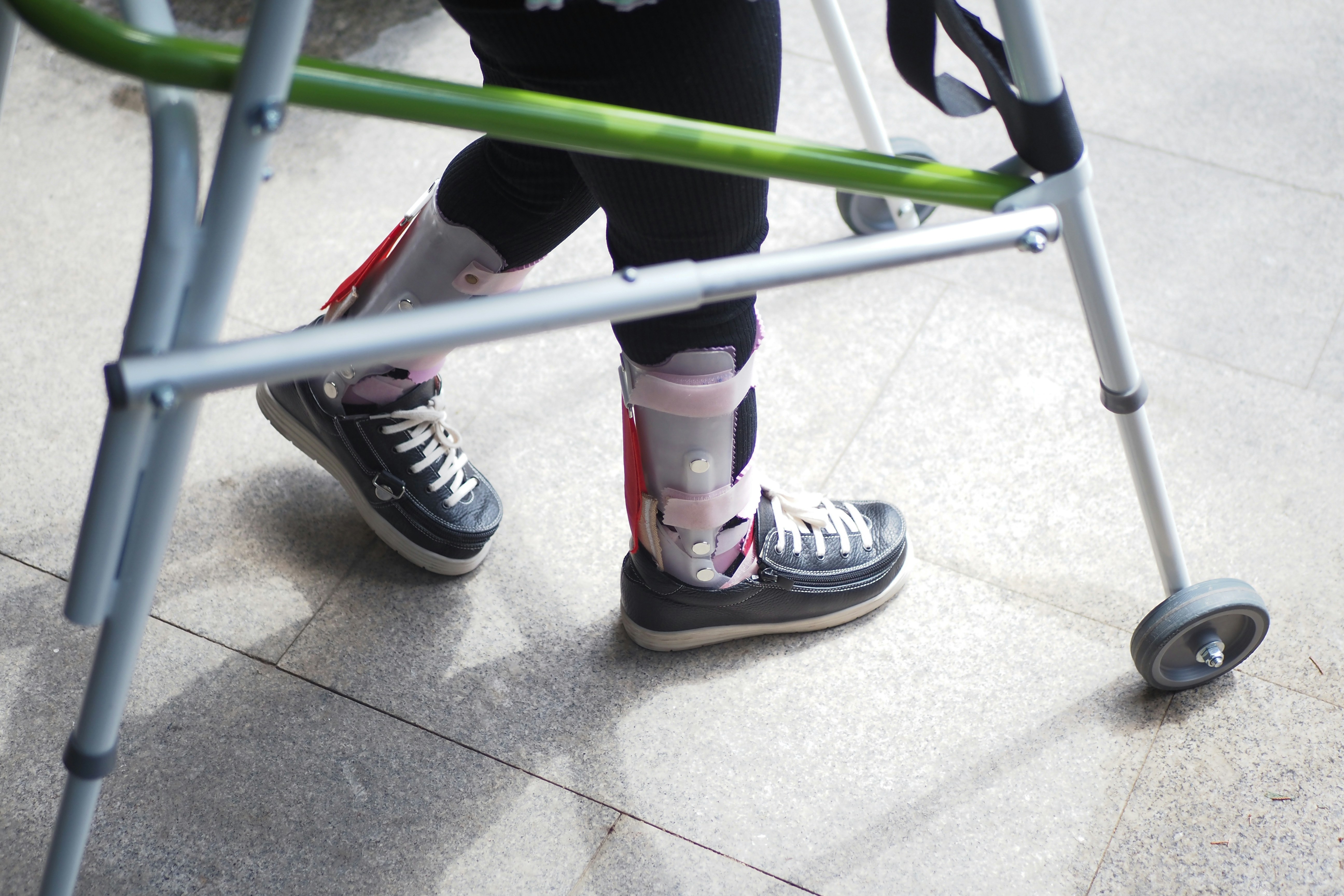
- Rollatoren fuer besseres Pacing und sicherere Wege
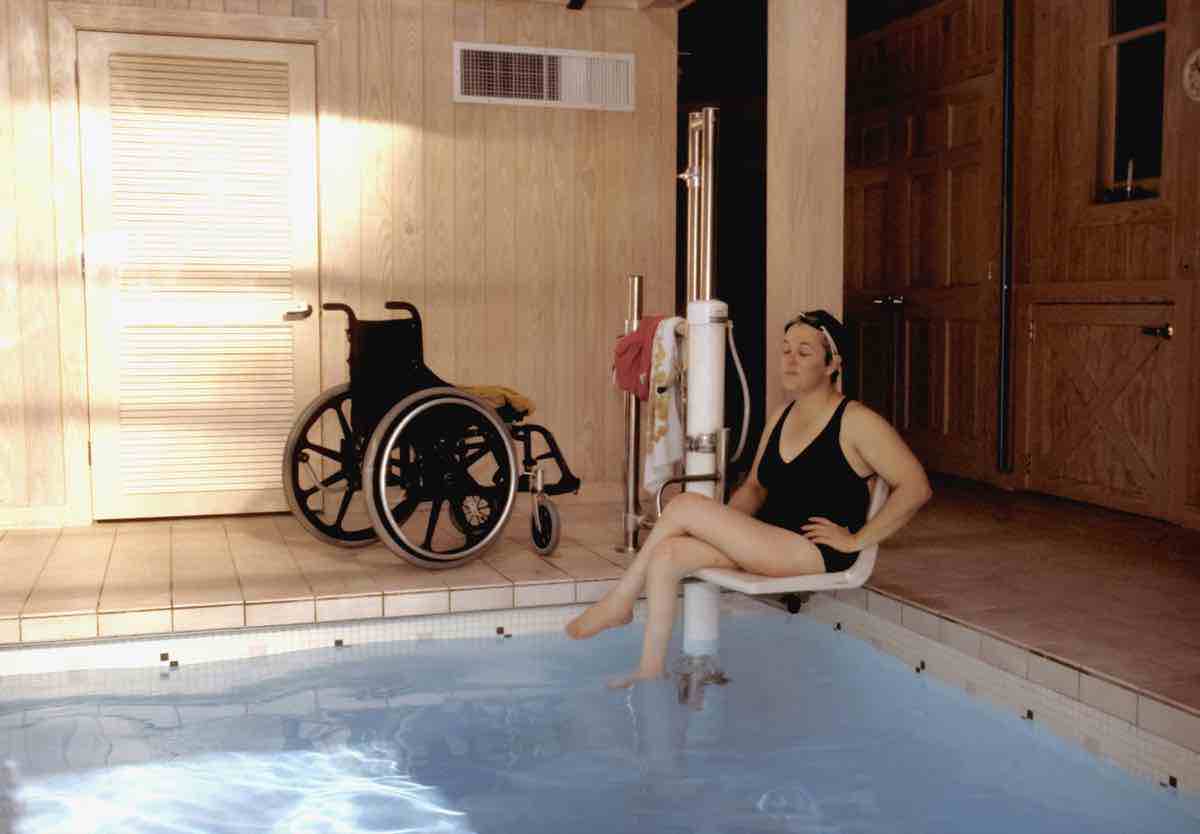
- Transferhilfen, wenn wiederholte Bewegungen anstrengender werden
- Betten oder Unterstuetzungsflaechen, wenn Nachtpflege und Umlagern schwieriger werden
Wie Fehlkaeufe vermieden werden
Seien Sie vorsichtig mit Loesungen, die leicht und attraktiv wirken, bei zunehmender Ermuedung aber instabil, umstaendlich oder zu wenig stuetzend werden.
Waehlen Sie nach Moeglichkeit Hilfsmittel, die aktuelle und nahe kuenftige Bedarfe ueberbruecken, statt zu frueh einen vollstaendigen Ersatz zu erzwingen.
- Verstellbarkeit und brauchbaren Unterstuetzungsbereich priorisieren
- Den Ablauf der Betreuung auch bei heute geringem Bedarf pruefen
- Dokumentieren, was das Hilfsmittel in realen Routinen scheitern laesst