- Beteiligungsniveau: Beginnen Sie damit, wie viel Stehen, Anweisungen folgen und Gewichtsuebernahme die Person an einem normalen Tag wiederholen kann. Transferhilfen scheitern schnell, wenn der Ablauf mehr Beteiligung voraussetzt, als die Person tatsaechlich leisten kann.
- Raumgeometrie: Messen Sie Bettfreiheit, Toilettenanfahrt, Tuerenbreite, Wendekreis und Stoerungen durch Moebel, bevor Sie Funktionen vergleichen. Wenn der Raum den Ablauf blockiert, ist die Vorauswahl falsch, auch wenn das Produkt fuer sich betrachtet ideal wirkt.
- Transferhaeufigkeit: Ein Ablauf, der nur einmal taeglich stattfindet, kann mehr Aufbau tolerieren als einer, der sechsmal zwischen Toilette, Bett und Aktivitaetssitzen wiederholt wird. Die Haeufigkeit veraendert, was praktisch und sicher ist.
- Ablauf fuer Betreuungspersonen: Das staerkste Setup senkt die Belastung und macht dieselbe Abfolge fuer verschiedene Helfer wiederholbar. Wenn jede Betreuungsperson eine andere Methode improvisiert, loest das Geraet das Transferproblem in Wahrheit nicht.
- Eskalationsschwelle: Legen Sie frueh fest, was den Wechsel zu einer staerker unterstuetzten Loesung ausloesen wuerde. Klare Eskalationsregeln helfen Familien dabei, nach Ermuedung, Verschlechterung oder wiederholten Beinahe-Unfaellen keine zu schwache Hilfe weiterzunutzen.
Kategorien
Transferhilfen
Manuelle und elektrische Transferhilfen fur sichere Bewegungen zwischen Flachen.
Entlastung der Pflegekraft, Transferplanung und Basisstabilitat.
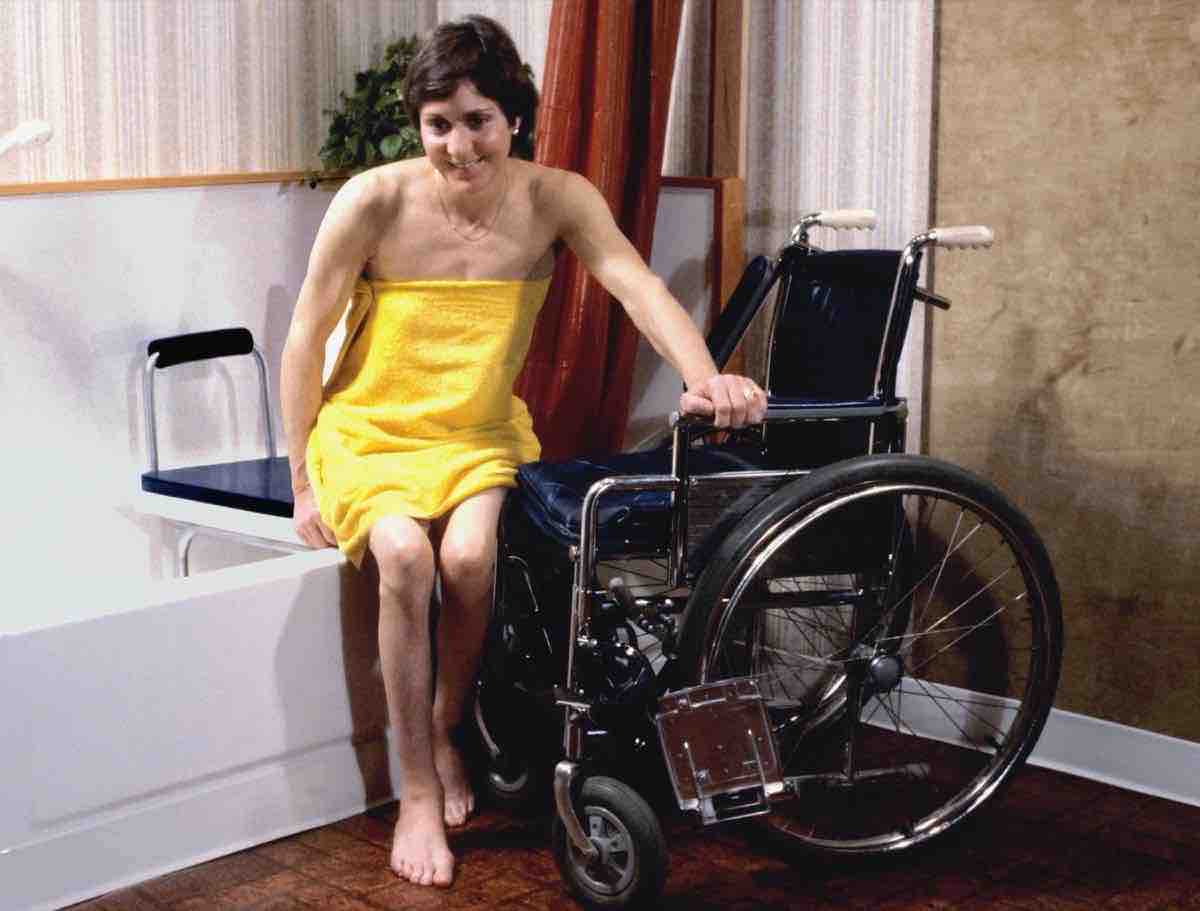
Bildnachweis: EnabledHub archive
Transferhilfen sollten nach der realen Bewegungsabfolge zwischen Flaechen ausgewaehlt werden, nicht nach einer Produktbezeichnung. Der sinnvolle Ausgangspunkt ist der Ablauf selbst: Anfahrt, Handposition, Sitz-zu-Stand oder Hebemoment, Drehung und Endposition.
Familien treffen hier meist bessere Entscheidungen, wenn sie zuerst klaeren, wie viel Beteiligung noch moeglich ist, und dann pruefen, ob Raum und Helferstruktur diesen Ablauf verlaesslich unterstuetzen.
Fuer wen es gedacht ist
- Betreuungspersonen, die wiederholte Transfers zwischen Bett, Stuhl, Toilette oder Bad bewaeltigen muessen, die koerperlich belastend oder unzuverlaessig sind
- Haushalte, in denen der Transferweg der eigentliche Engpass ist und nicht die spaetere sitzende Aktivitaet
- Familien, die zwischen einfacheren Drehhilfen, Sitz-zu-Stand-Unterstuetzung und umfassenderen Hebeablaeufen entscheiden muessen
- Situationen, in denen Raumfreiheit und Helferstruktur die Sicherheit genauso stark praegen wie das Geraet selbst
Wie Sie auswaehlen
Worauf Sie achten sollten
- An einer schwach unterstuetzten Loesung festzuhalten, obwohl die Person daran nicht mehr sicher genug teilnehmen kann
- Davon auszugehen, dass eine theoretische Passform bedeutet, dass das Geraet am Bett oder an der Toilette im realen Raum auch tatsaechlich vorbeikommt
- Eine Transferhilfe zu kaufen, ohne sich auf verbale Abfolge, Abstellort und Rueckfallplan zu einigen