- **Body functions and structures** — what the body can and can't do (strength, sensation, joint range)
- **Activity** — what tasks the person can perform (walking, dressing, communicating)
- **Participation** — how the person engages in life situations (attending school, working, socializing)
- **Environmental factors** — external influences that help or hinder function (physical environment, social support, available equipment)
- **Personal factors** — individual characteristics that influence how disability is experienced (age, motivation, coping style)
- **Access to research** — many clinicians lack time or resources to search and review current literature
Wissen
Evidence-Based Practice in Assistive Technology: Why Research Should Guide Equipment Decisions
Choosing adaptive equipment shouldn't be guesswork.
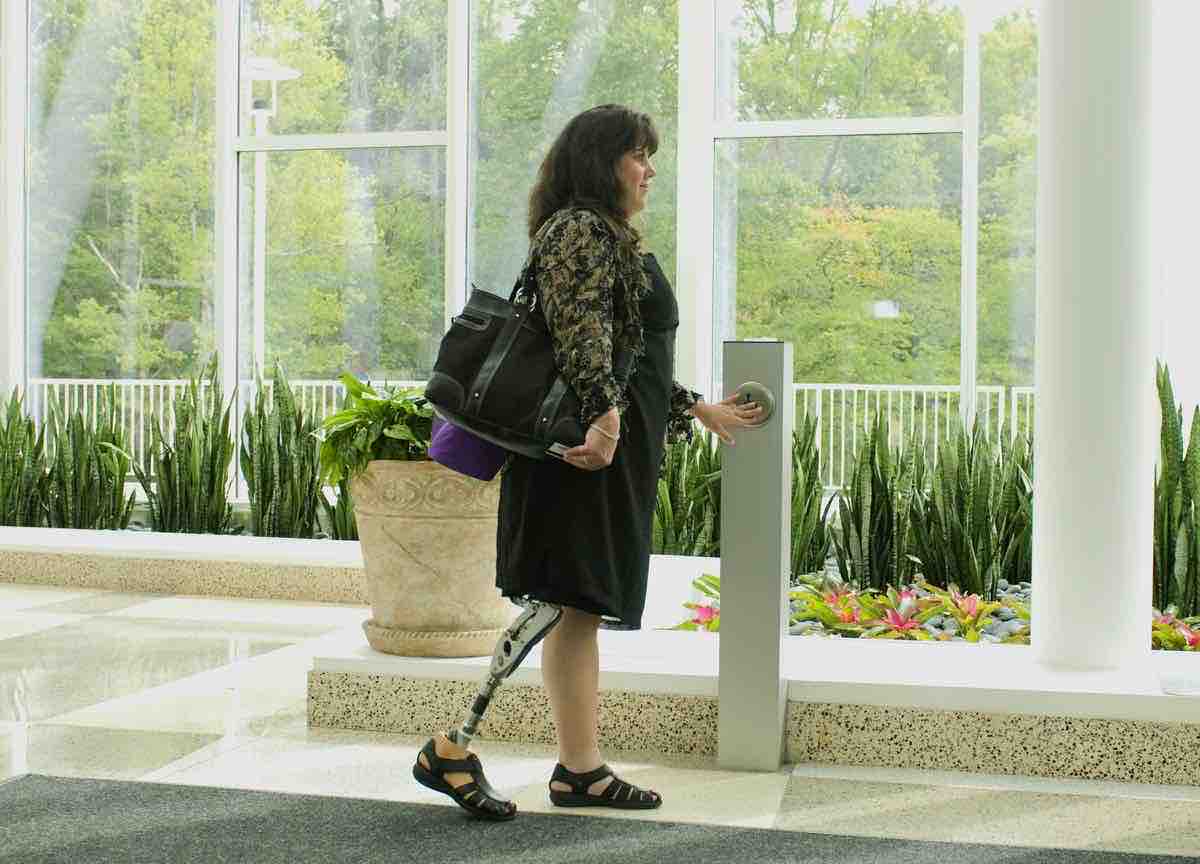
Bildnachweis: EnabledHub archive
Wichtigste Punkte
**Body functions and structures** — what the body can and can't do (strength, sensation, joint range)
**Activity** — what tasks the person can perform (walking, dressing, communicating)
**Participation** — how the person engages in life situations (attending school, working, socializing)
Auf dieser Seite
Schnelle Pflege-Checkliste
Nutzen Sie diese Liste als schnelle Referenz vor jeder Pflegeroutine.
What Is Evidence-Based Practice?
Evidence-based practice (EBP) has three components:
1. **Best available research evidence** — published studies, systematic reviews, and clinical trials that show what works 2. **Clinical expertise** — the therapist's training, experience, and judgment in applying research to real-world situations 3. **Client values and preferences** — what the individual wants, needs, and is willing to use
All three components carry equal weight. A standing frame with excellent research support is useless if the family can't integrate it into their daily routine. A therapist's favorite gait trainer is the wrong choice if it doesn't match the person's clinical presentation.
The ICF Framework
The World Health Organization's International Classification of Functioning, Disability and Health (ICF) provides a comprehensive framework for understanding how disability affects a person's life. It looks beyond diagnosis and impairment to consider:
Using the ICF framework for equipment decisions ensures that recommendations address real-world participation — not just isolated impairments. A therapist evaluating a child for a stander doesn't just measure hip range of motion; they consider whether standing will help the child participate in classroom activities, interact with peers at eye level, and build bone density for long-term health.
- **Body functions and structures** — what the body can and can't do (strength, sensation, joint range)
- **Activity** — what tasks the person can perform (walking, dressing, communicating)
- **Participation** — how the person engages in life situations (attending school, working, socializing)
- **Environmental factors** — external influences that help or hinder function (physical environment, social support, available equipment)
- **Personal factors** — individual characteristics that influence how disability is experienced (age, motivation, coping style)
Applying Research to Practice
Translating research into equipment decisions involves several practical steps:
**Ask a clinical question.** Frame the problem clearly: "For a 4-year-old with spastic diplegia cerebral palsy, does daily use of a standing frame improve hip development compared to no standing program?"
**Search the literature.** Look for systematic reviews, randomized controlled trials, and cohort studies related to the question. Professional databases, therapy journals, and equipment manufacturer education libraries are all valid sources.
**Evaluate the evidence.** Not all studies are created equal. Consider sample size, study design, population relevance, and whether the outcomes measured are meaningful for your specific client.
**Integrate with clinical judgment.** A study showing that standing frames improve hip development generally may or may not apply to a specific child. The therapist's assessment of that child's unique medical history, current function, and family context determines how the evidence is applied.
**Measure outcomes.** After implementing the equipment, track whether the expected benefits are actually occurring. If they're not, reassess the plan.
Common Gaps Between Evidence and Practice
Several factors create gaps between what research recommends and what happens in practice:
Bridging these gaps requires organizational commitment to continuing education, protected time for literature review, and a culture that values asking "what does the evidence say?"
- **Access to research** — many clinicians lack time or resources to search and review current literature
- **Habit and tradition** — "we've always done it this way" persists even when evidence suggests better approaches
- **Vendor influence** — equipment marketing may not align with research findings
- **Funding limitations** — the evidence-supported option may not be the one insurance will cover
The Payoff
Equipment decisions guided by evidence produce better outcomes, fewer equipment abandonments, stronger justifications for funding, and greater satisfaction for the individuals who use the devices. When a therapist can explain not just what equipment they recommend but why — citing specific evidence and connecting it to the individual's goals — everyone benefits.
Evidence-based practice isn't an academic exercise. It's the foundation of equipment decisions that actually work.
Blog
Wissensbereich lesen