The HAAT Model: A Simple Framework for Choosing Assistive Technology
When families start shopping for assistive technology, the default question is \"which product is best?\" That is almost always the wrong first question. Clinicians who work in this field every day use a different starting point — a framework called the Human Activity Assistive Technology model, or HAAT. It was introduced by Albert Cook and Susan Hussey in the mid-1990s and has become one of the most widely used tools for matching people to equipment. Understanding it in plain language can transform how a family makes decisions.
Diese Artikel ist derzeit nur auf Englisch verfuegbar. Wir arbeiten an der Deutsch-Uebersetzung.
15. Apr. 20264 min
Auf dieser Seite
Four pieces, not one
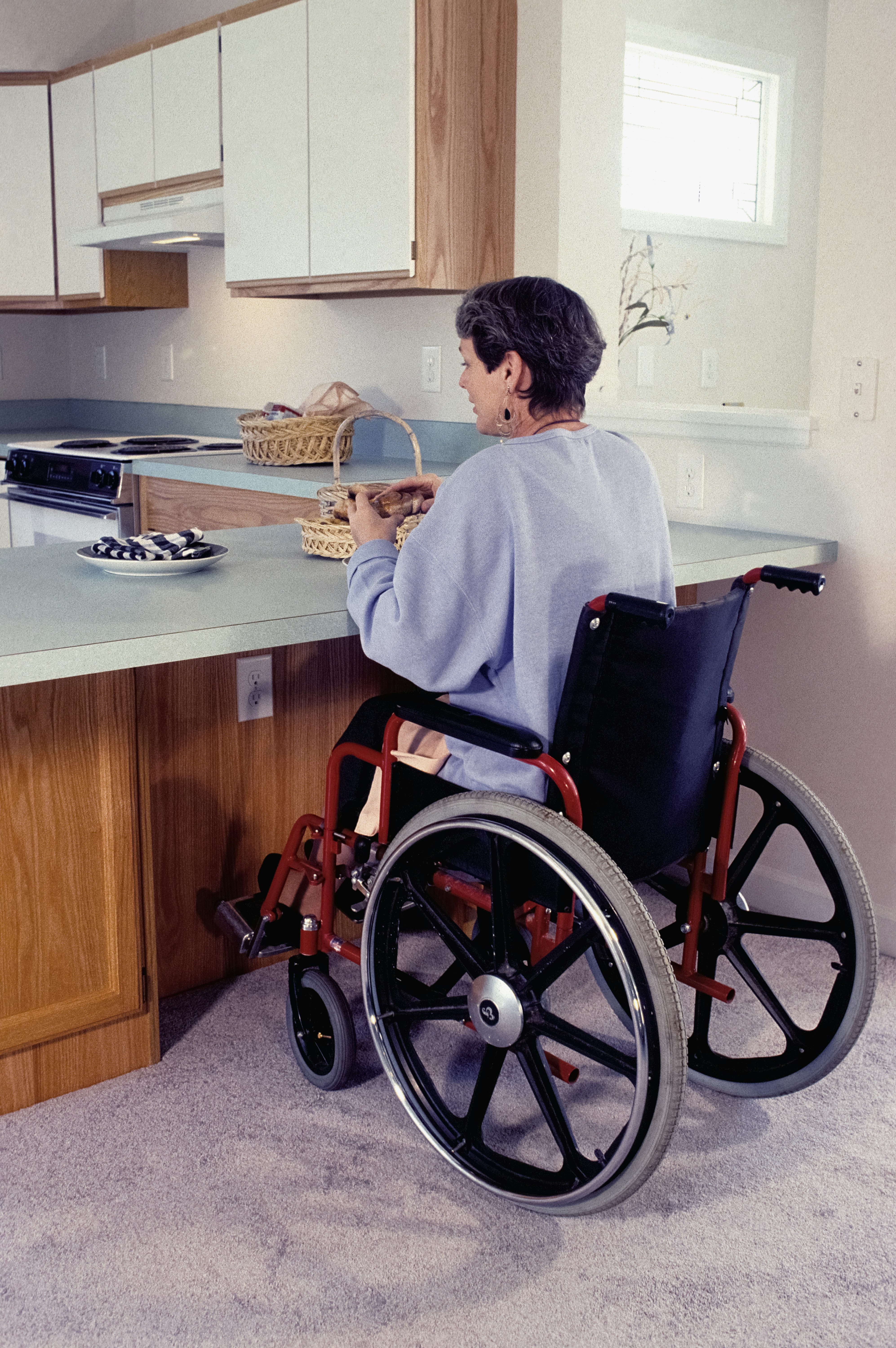
The HAAT model says that any successful use of assistive technology depends on four things interacting at once: a human doing an activity in a context using a piece of technology. Change any one of those four, and the whole outcome changes. A powered wheelchair that works brilliantly for an adult on smooth indoor floors may be useless for the same person on a gravel driveway, and unusable for a child whose shoulders are still growing. The chair did not change. The human, activity, or context did.
Start with the activity
The model deliberately puts the activity at the center. Before anyone picks a device, the team asks: what does this person want to do? Prepare a meal, attend class, call a friend, get to the bathroom, return to work. Activities are concrete and observable, which makes them useful as design targets. Vague goals like "improve independence" give a clinician nothing to aim at. "Transfer from wheelchair to bed twice a day without help" gives them a target.
Understand the human
The human component includes motor, sensory, cognitive, and affective abilities, plus experience level. A novice user needs different support than an expert. A child on a progressive diagnosis needs equipment that can grow with them. Someone with cognitive fatigue needs a device that forgives mistakes. Listing abilities honestly — not just what the person could do on a good day — is the step most consumer shopping skips.
Respect the context
Context in HAAT covers four layers: physical (the room, the weather, the terrain), social (who is around, who helps, who judges), cultural (what is normal and acceptable in this community), and institutional (insurance, funding, school or workplace policy). A device that solves the physical problem but embarrasses the user in a social setting will be abandoned. A device that fits the home but is not covered by insurance may never be acquired at all. The context decides whether any technology is viable.
The technology comes last
Only after the activity, human, and context are understood does the model ask what technology supports the goal. That technology can be mainstream (a smartphone), commercially available assistive (a standard rollator), or custom-made (a molded seating system). The right answer is whichever one closes the gap between what the person can do and what the activity requires, given the context they live in.
Why this matters for everyday decisions
Families who think in HAAT terms buy less, abandon less, and get better results. Instead of asking "what is the best shower chair?" they ask "what shower routine are we trying to make safe, for whom, in what bathroom, using what funding, with what training available?" That question has a good answer. The first one rarely does.
Key takeaways
The HAAT model reminds us that assistive technology is never about the device alone. Name the activity, understand the human, respect the context, and only then choose the technology. Families who work through the four components in order consistently end up with equipment that actually gets used.
When people talk about assistive technology, they almost always mean the device — the wheelchair, the communication tablet, the hearing aid, the grab bar. In the field, that is called **hard technology**: the tangible, physical thing you can touch, buy, and put on a shelf. But researchers Cook and Polgar draw a second category that matters just as much, and it is the one most families underfund. They call it **soft technology**.
For most of the twentieth century, disability was treated as a fact about a person's body. You had a diagnosis, the diagnosis created the limitation, and the job of medicine was to fix or compensate for that limitation. That view still shapes how many insurance codes, benefit forms, and clinical conversations are written. But it is no longer how the field itself thinks about disability, and understanding the shift is essential for anyone choosing assistive technology.