Gait Training and Adaptive Walkers: Building the Foundation for Functional Walking
Walking is one of the most complex motor tasks humans perform.
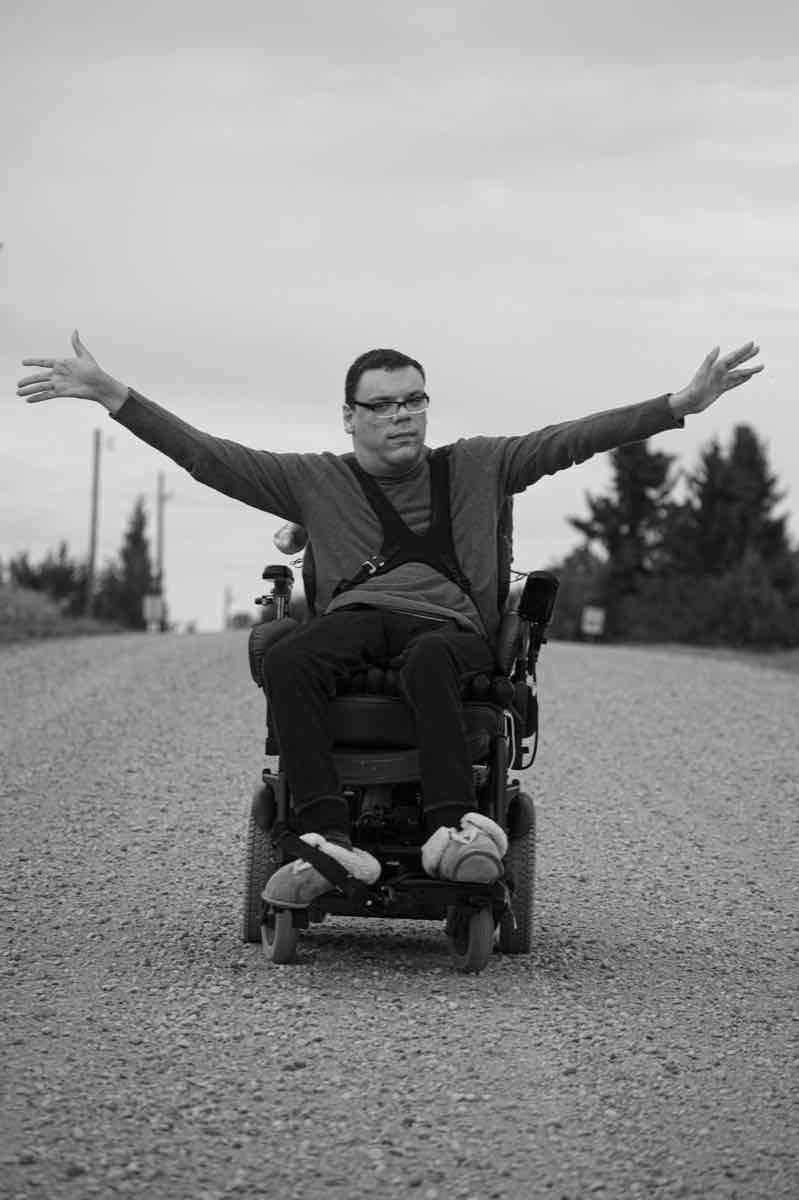
Credit photo: EnabledHub archive
Cette article est actuellement disponible en anglais. Nous preparons la traduction en Francais.
1 janv. 20263 min
Sur cette page
Why Gait Training Matters
Even partial walking practice benefits the body and the brain. Repetitive stepping builds neural pathways, strengthens muscles, and improves cardiovascular fitness. For children, early walking experience supports bone development, spatial awareness, and social participation. For adults recovering from injury or managing progressive conditions, gait training preserves existing function and slows decline.
The goal isn't always independent walking. For many individuals, the goal is supported walking — moving through space with assistance from equipment or people in a way that promotes health and participation.
Types of Gait Trainers
**Posterior Walkers** position the support frame behind the user, encouraging a more upright posture and forward weight shift. Research favors posterior walkers over anterior designs for most users because they promote better biomechanics and a more natural gait pattern.
**Anterior Walkers** place the frame in front of the user. While they're falling out of favor for everyday use, they still have value for individuals who need maximum forward support during early training stages.
**Gait Trainers with Body-Weight Support** use harnesses or saddle seats to partially unload the user's body weight. This allows individuals who can't fully support themselves to practice stepping movements with reduced demand on their legs. As strength and skill improve, the support is gradually reduced.
**Treadmill-Based Systems** combine a treadmill with overhead harness support, allowing controlled speed and repetitive practice. This approach is especially valuable for early intervention, where high-repetition stepping can accelerate motor learning in young children.
Progressive Training Strategies
Effective gait training follows a progression:
1. **Maximum support** — the trainer provides substantial body-weight support, trunk guidance, and step initiation 2. **Prompt reduction** — as the user gains skill, supports are systematically reduced 3. **Environmental variation** — practice moves from flat, smooth surfaces to carpets, ramps, and outdoor terrain 4. **Speed and endurance building** — session duration and walking speed increase gradually 5. **Functional integration** — walking is practiced in meaningful contexts like hallways, classrooms, and community settings
Documenting this progression is essential. Therapists should record support levels, distances, speeds, and the amount of prompting required at each stage.
Gait Training for Adults
Gait training isn't just for children. Adults recovering from stroke, traumatic brain injury, or spinal cord injury benefit significantly from early mobilization. Even in intensive care settings, early supported walking reduces the negative effects of prolonged bed rest — muscle wasting, bone loss, respiratory decline, and deconditioning.
For adults with progressive conditions like multiple sclerosis or Parkinson's disease, gait training helps maintain walking ability longer and delays the transition to full-time wheelchair use.
The Caregiver Factor
Gait training requires physical effort from caregivers and therapists. Proper body mechanics, appropriate equipment, and realistic session planning prevent caregiver injury. A walker that's too heavy, too complicated, or poorly fitted won't get used — no matter how good the clinical rationale.
The best gait training program is the one that actually happens consistently.