Les aides au pivot et dispositifs d'appui au transfert sont surtout utiles quand les trajets repetes lit-fauteuil-toilettes sont le vrai goulot d'etranglement et qu'il faut reduire la charge pour l'aidant.
Choisissez selon la participation, l'espace disponible et le besoin d'un pivot ou d'un levage complet.
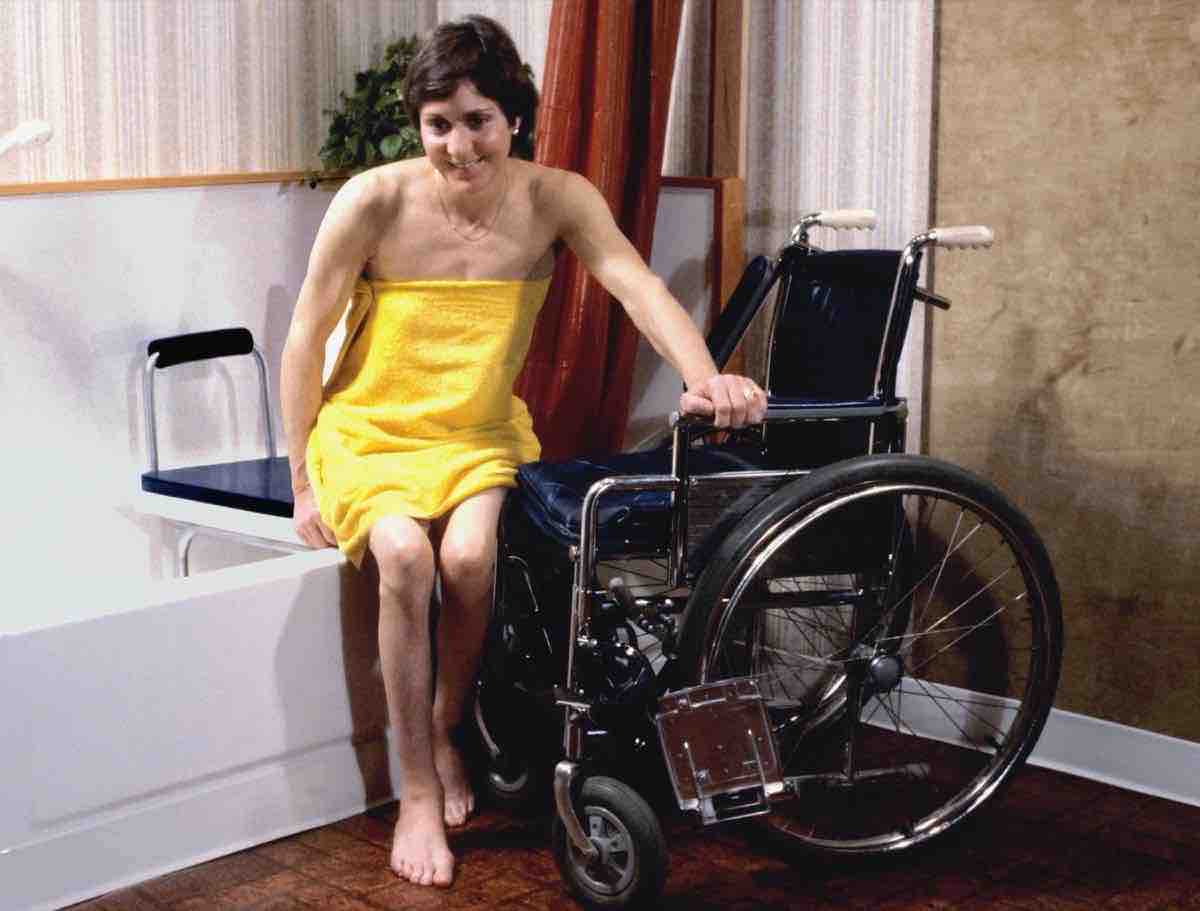
Credit photo: EnabledHub archive
Empattement
Participation utilisateur
Freins et points d'appui
Sur cette page
Pour qui cette famille est utile
Les aides au pivot sont pertinentes quand la personne peut encore participer a la station debout ou au pivot, mais que le trajet repetitif entre lit, fauteuil et toilettes devient physiquement exigeant ou peu fiable.
Elles sont souvent choisies pour reduire la charge de l'aidant tout en gardant un transfert plus court et plus direct qu'un levage complet.
Ideales quand une participation a la station debout reste possible
Utiles pour des trajets de transfert courts et repetes
Souvent choisies pour reduire la charge sans passer tout de suite au leve-personne
Que verifier avant de choisir
Verifiez si la personne supporte la position debout requise, si l'appui des genoux et des pieds convient et si la piece laisse assez d'espace pour l'approche et la rotation.
Evaluez aussi si l'aidant peut installer et freiner l'appareil de facon fiable et si la sequence de transfert est realiste dans l'environnement reel.
Tolerance a la station debout et niveau de participation
Alignement des appuis de pieds et de genoux
Degagement pour l'approche et la rotation
Fiabilite de l'installation par l'aidant
Variantes courantes et compromis
Certains produits sont de simples aides au pivot, alors que d'autres offrent plus de soutien debout, un positionnement plus guide ou un trajet de transfert plus structure.
Le bon choix depend du niveau de soutien necessaire pendant le transfert, pas seulement du fait que la personne peut rester debout quelques secondes.
Aides au pivot simples pour des besoins plus legers
Modeles plus soutenants pour une confiance moindre et plus de demande d'aidant
Dispositifs qui font le lien vers des transferts assistes plus structures
Quand un levage complet est preferable
Si la tolerance debout est peu fiable, si le transfert reste dangereux malgre l'appareil ou si les aidants compensent trop, un parcours de levage plus complet est souvent plus sur.
Les aides au pivot ont de la valeur quand elles simplifient vraiment le trajet. Elles sont mal adaptees quand elles ne font que masquer le besoin d'une solution plus soutenante.
Montez d'un niveau de soutien si la participation varie trop
Ne forcez pas une solution de pivot si le trajet reste peu sur
Reverifiez le transfert apres fatigue reelle, pas seulement en essai
Conditions et situations associees
Lectures pratiques pour aidants, familles, cliniciens et equipes de soutien.
Les decisions d'equipement apres un AVC tournent souvent autour de la marche, de la faiblesse d'un cote, de la fatigue, des transferts et du niveau d'aide quotidien qu'un aidant doit fournir.
La planification de l'equipement pour la SEP doit souvent tenir compte de la fatigue variable, de la sensibilite a la chaleur, des changements d'equilibre, de l'evolution des besoins et du risque d'acheter trop vite un produit vite depasse.
Les decisions d'equipement pour la paralysie cerebrale dependent souvent de la posture, de la croissance, du risque de contractures, des objectifs de participation, du transport et du niveau d'ajustabilite necessaire dans le temps.
Articles associes
Lectures pratiques pour aidants, familles, cliniciens et equipes de soutien.