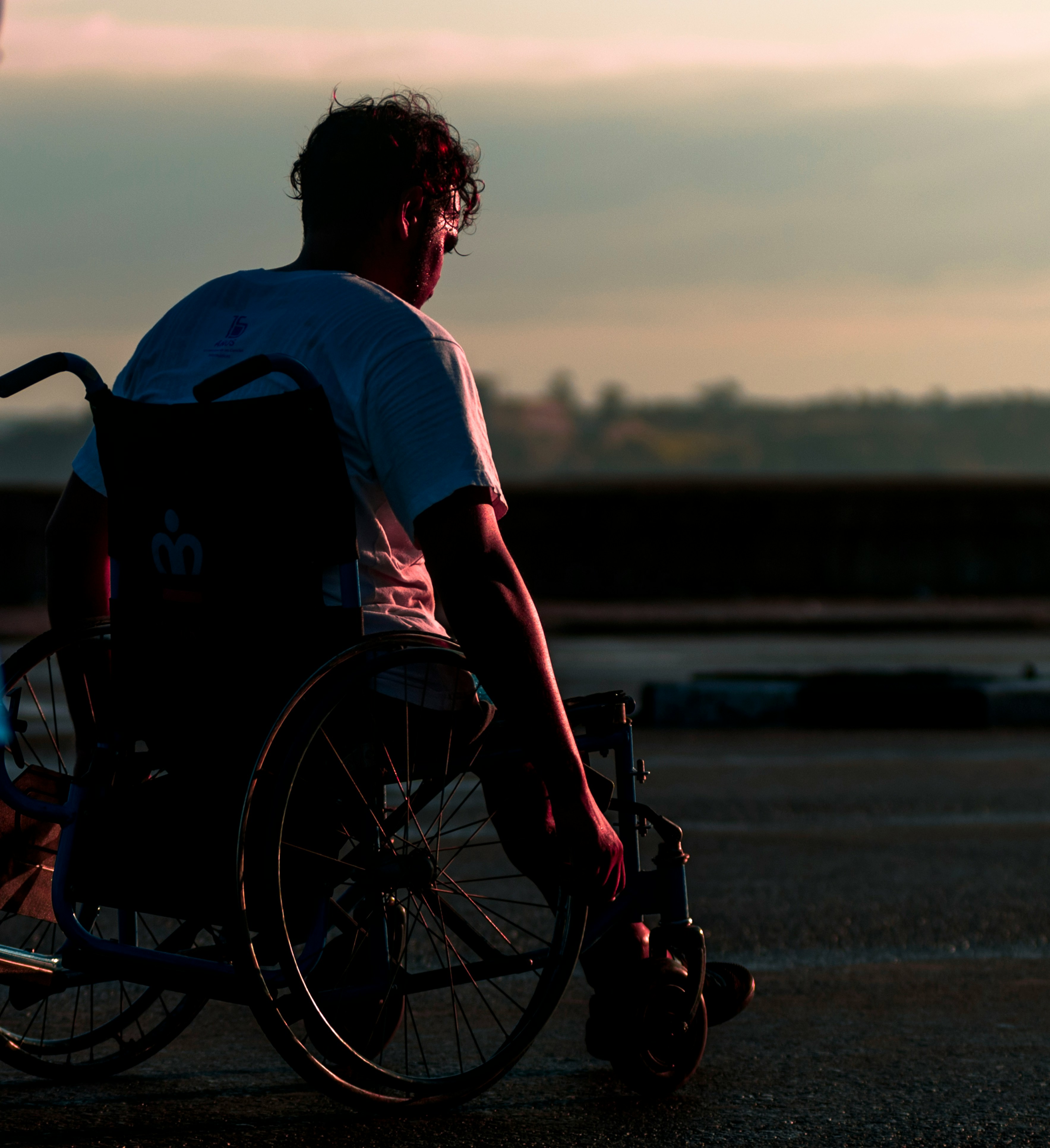
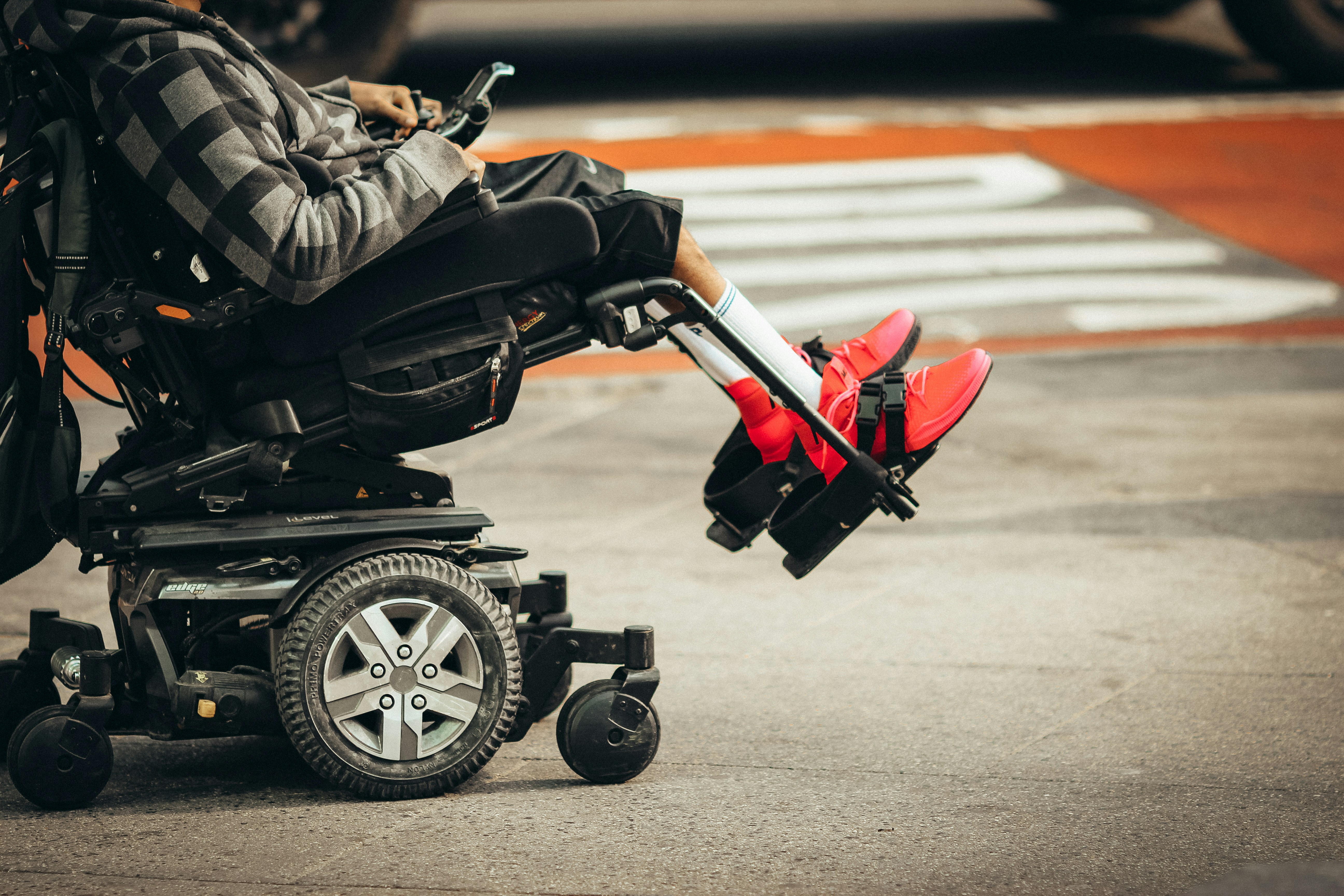
Comment la recuperation apres AVC modifie les besoins pour les transferts, la marche, la toilette et les routines quotidiennes.
Les decisions d'equipement apres un AVC tournent souvent autour de la marche, de la faiblesse d'un cote, de la fatigue, des transferts et du niveau d'aide quotidien qu'un aidant doit fournir.
Apres un AVC, choisir un equipement n'est presque jamais une question d'un seul produit. Le vrai travail consiste a adapter le soutien a la force, l'equilibre, le tonus, l'endurance, la cognition et la confiance tout au long de la journee.
Une personne peut surtout avoir besoin d'aide pour les transferts vers la salle de bain et les courtes distances. Une autre peut avoir besoin d'une assise plus structuree, de transferts lit-fauteuil plus surs et d'une installation plus simple pour l'aidant.
Regardez toute la routine, pas seulement une piece ou une tache.
Reevaluez apres de grands progres ou revers en reeducation.
Donnez la priorite a la stabilite et a la repetition plutot qu'a une bonne performance ponctuelle.
Que verifier avant de choisir
Commencez par le schema de transfert: lit vers fauteuil, fauteuil vers toilettes, acces a la douche, et la capacite a pivoter, se lever avec aide ou suivre un transfert plus assiste.
Ensuite, verifiez l'endurance a la marche, la fatigue dans la journee, la fonction de la main et du bras, l'espace de rotation au domicile et si l'aidant peut installer l'equipement rapidement et de facon constante.
Tolerance a la station debout et capacite a pivoter
Faiblesse d'un cote et fiabilite de la prise manuelle
Configuration de la salle de bain et largeur des portes
Effort de l'aidant pendant les transferts repetes
Familles d'equipements les plus utiles
La recuperation apres AVC recoupe souvent trois pistes solides: la marche assistee, l'aide aux transferts et l'equipement de salle de bain qui reduit le risque de chute sans compliquer la routine.
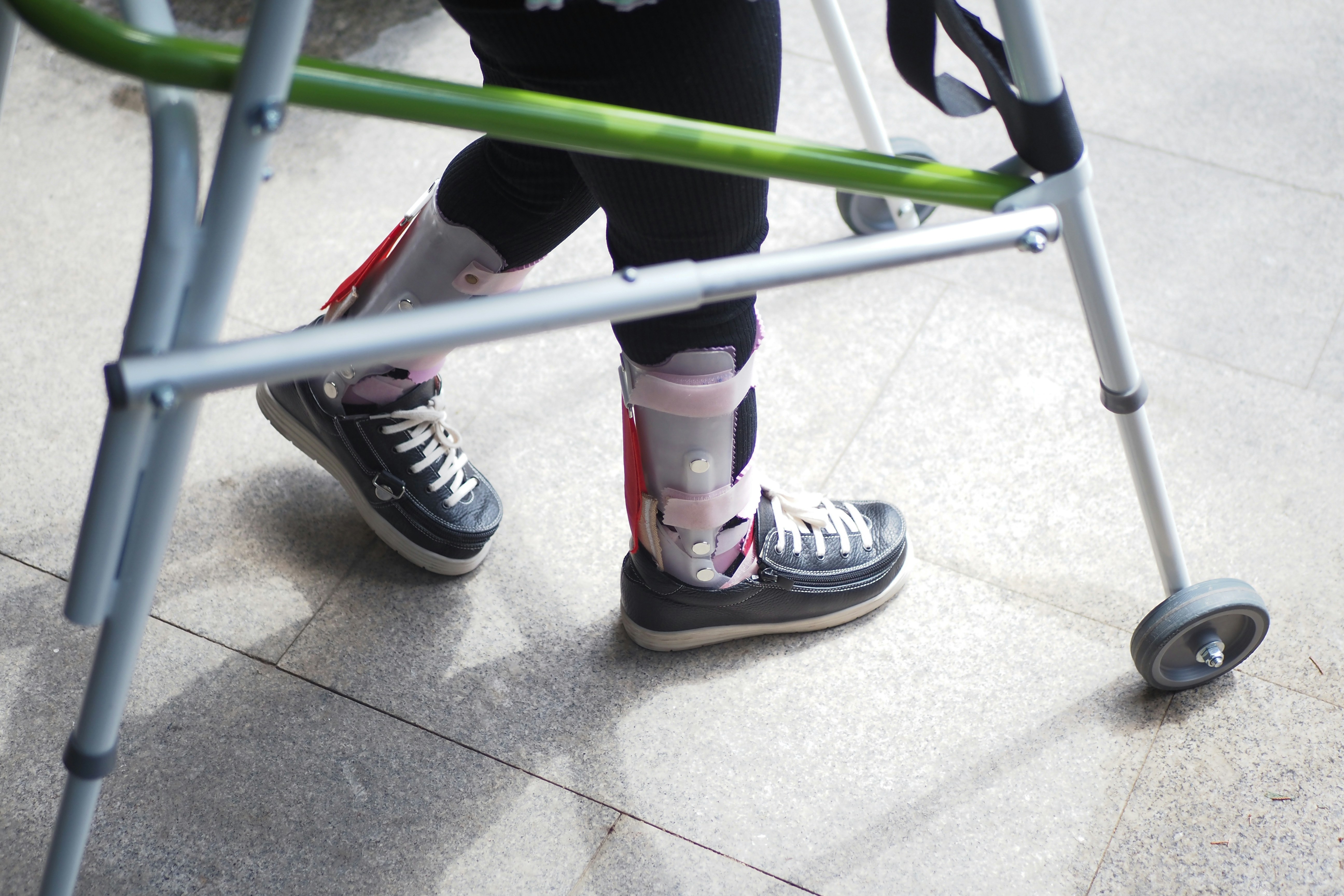
Cela signifie souvent comparer deambulateurs ou rollators, aides au pivot ou au transfert, et chaises percees de douche ou solutions de bain selon l'environnement.
Rollators et deambulateurs pour plus de confiance et d'endurance sur les petits trajets
Aides au transfert et au pivot pour les parcours lit-fauteuil-toilettes
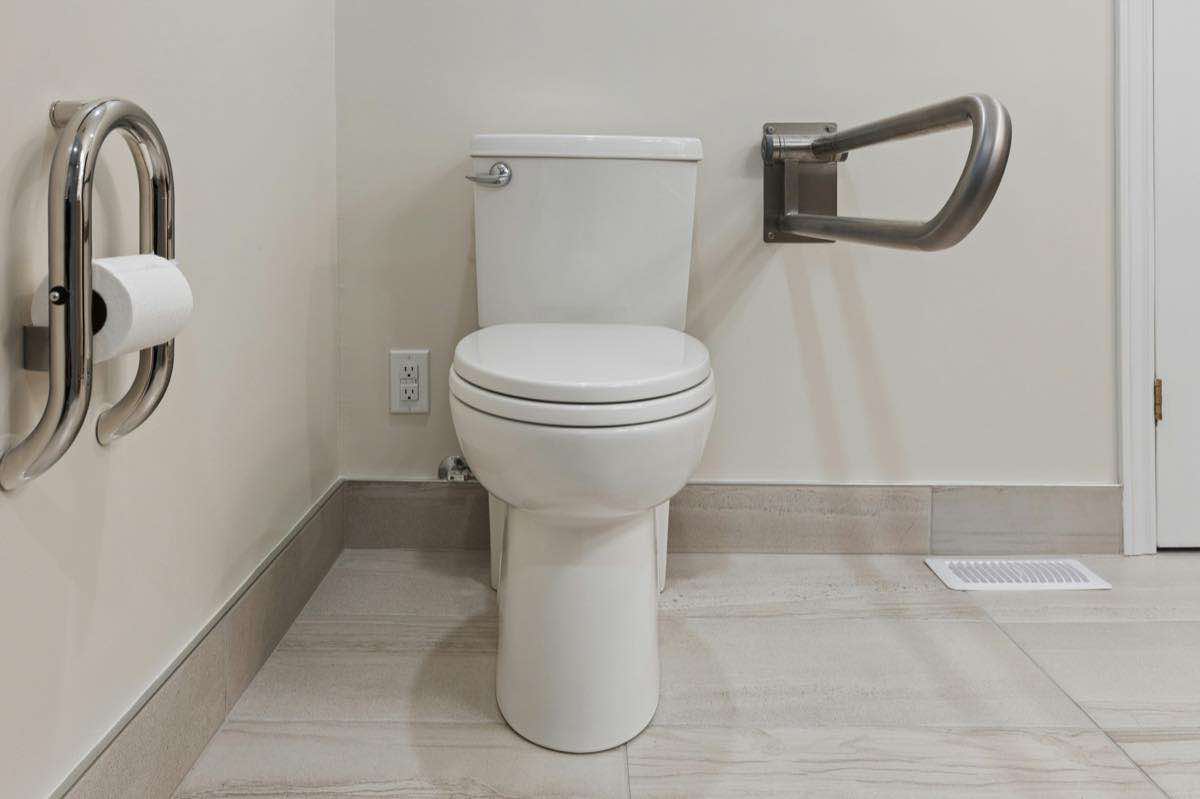
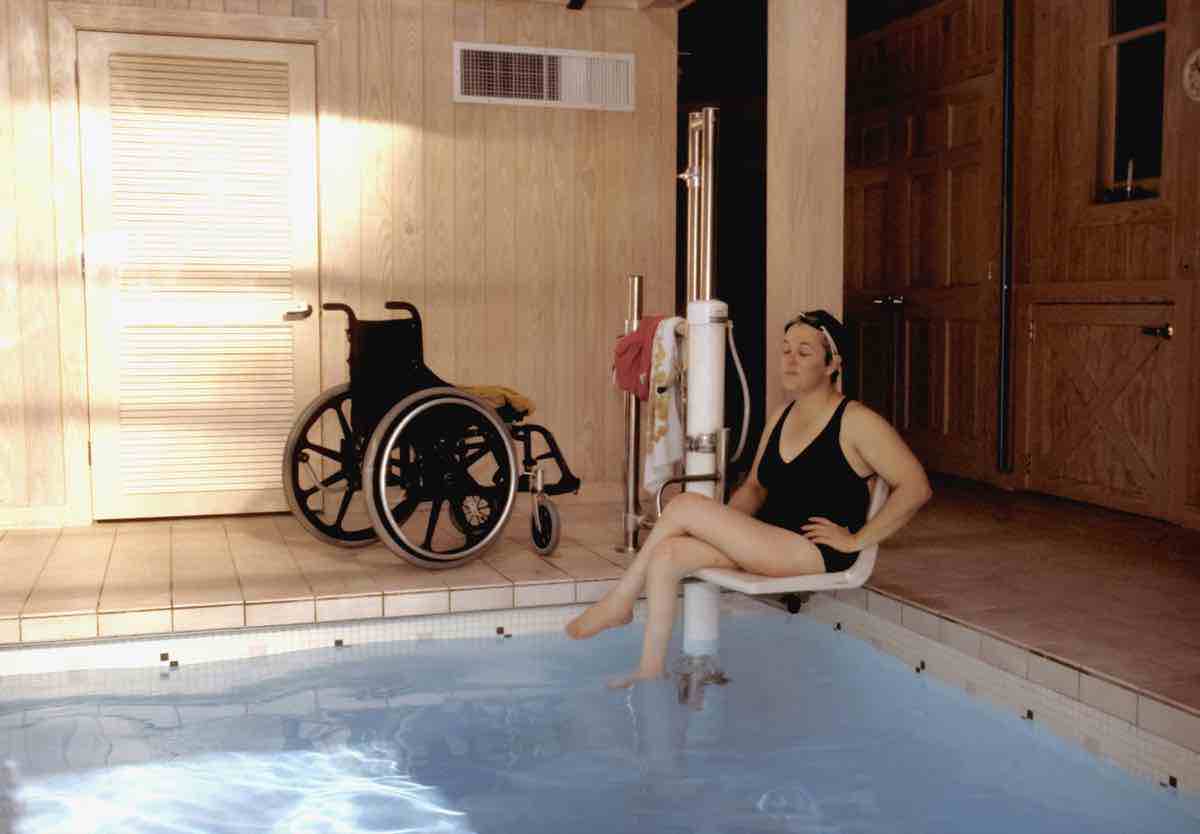
Chaises percees de douche et soutien de salle de bain pour l'hygiene avec moins de risque de chute
Routine de l'aidant et amenagement du domicile
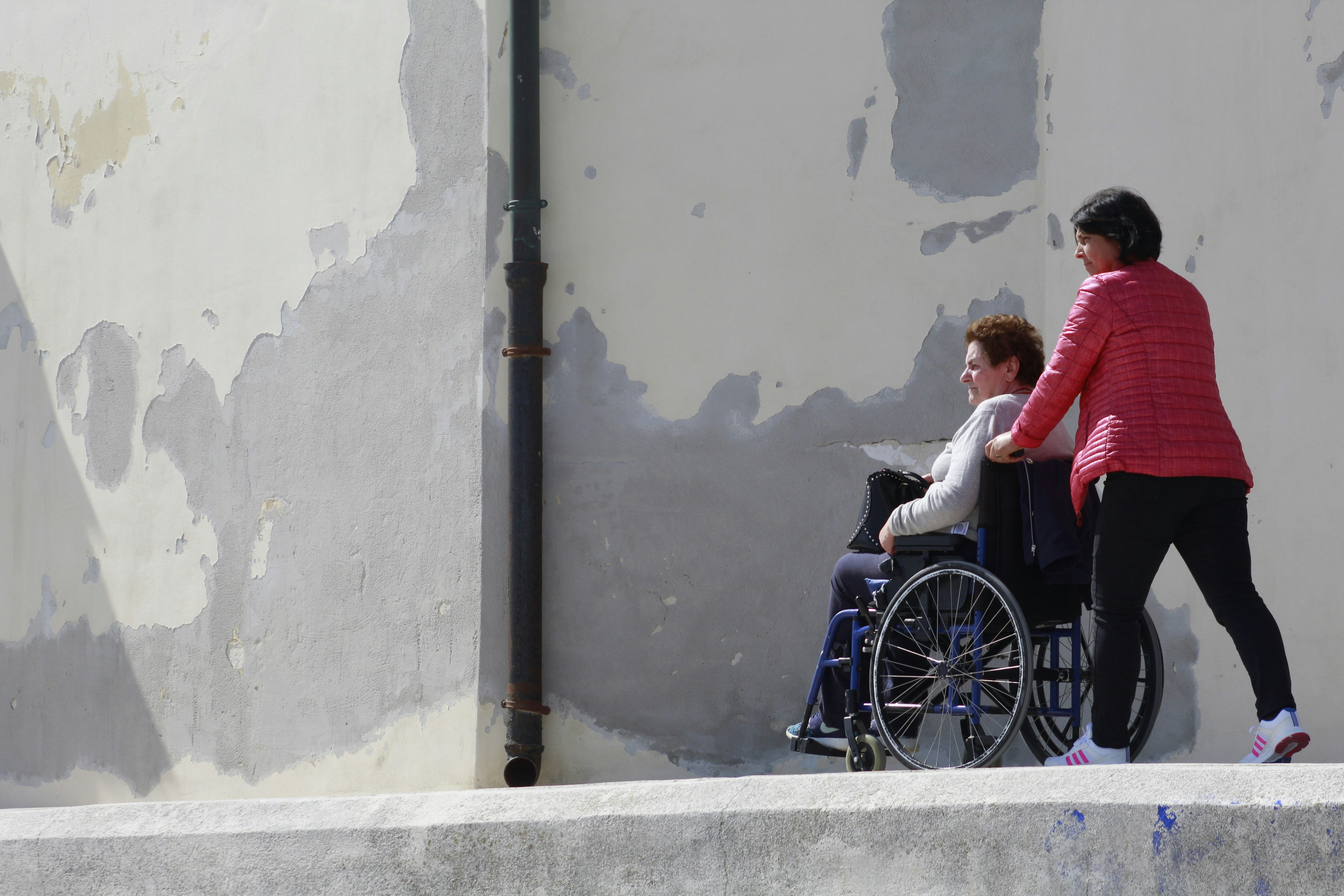
La meilleure solution est souvent celle qu'un aidant peut refaire sans danger chaque jour. Si l'installation est maladroite, si les freins sont peu fiables ou si le produit complique l'hygiene, le resultat attendu ne viendra pas.
Commencez par la partie la plus chargee de la routine, puis ajoutez d'autres solutions seulement lorsqu'elles reduisent clairement le risque ou l'effort.
Choisissez des produits avec des etapes d'installation previsibles
Notez les hauteurs d'assise, points d'appui et consignes de transfert
Evitez d'acheter trop tot plusieurs appareils qui se chevauchent
Hubs de contenu pertinents
Pages condition, hubs categorie et guides multilingues pour clarifier le prochain pas.
Rayon principal
Bain et toilette
Sieges de bain, chaises garde-robe, barres d'appui et aides WC avec guidance de transfert.
Les chaises percees de douche aident quand une seule installation assise doit couvrir la douche, les toilettes, l'hygiene et la routine de l'aidant avec moins de transferts risques.
Les rollators et deambulateurs sont surtout utiles quand une personne marche encore, mais a besoin de plus de constance, de rythme, de confiance au freinage ou de soutien pour terminer les trajets du quotidien.
Les aides au pivot et dispositifs d'appui au transfert sont surtout utiles quand les trajets repetes lit-fauteuil-toilettes sont le vrai goulot d'etranglement et qu'il faut reduire la charge pour l'aidant.
Empattement
Participation utilisateur
Freins et points d'appui
Articles pertinents
Lectures pratiques pour aidants, familles, cliniciens et equipes de soutien.