Comment choisir un equipement de soutien quand l'objectif est de reduire les chutes a domicile et dans les routines quotidiennes.
Les decisions d'equipement pour prevenir les chutes fonctionnent le mieux lorsqu'elles ciblent d'abord les transitions les plus risquees: se lever, acceder a la salle de bain, se deplacer la nuit et garder de la confiance sur les trajets dans la maison.
Pourquoi la prevention des chutes doit partir de la routine
L'equipement le plus efficace contre les chutes n'est presque jamais le plus complique. C'est celui qui rend les transitions les plus risquees plus stables et plus faciles a repeter tous les jours.
Cela signifie en general se concentrer sur le lever, la marche a l'interieur, la salle de bain et les deplacements nocturnes plutot que d'acheter autour d'une etiquette generique de prevention des chutes.
Reperez ou les derniers quasi-accidents ont eu lieu.
Tenez compte de l'heure, de la fatigue, de la lumiere et des surfaces.
Choisissez l'equipement a partir de vraies transitions, pas d'un risque abstrait.
Que verifier en premier
Commencez par les principaux trajets: lit vers toilettes, fauteuil vers cuisine, tournants dans le couloir et acces a la douche. Verifiez ensuite les hauteurs d'assise, les points d'appui, la confiance a la marche et si la personne a besoin d'instructions ou d'une aide physique.
L'objectif est d'identifier ou la stabilite casse, pas seulement ou la marche parait lente.
Fiabilite du lever-assis
Securite des trajets nocturnes
Risque de glissade et de transfert dans la salle de bain
Besoin d'une aide a la marche a l'interieur versus a l'exterieur
Familles d'equipement les plus utiles
Les plus grands gains viennent souvent des deambulateurs ou rollators, du soutien en salle de bain et des adaptations de chambre ou de nuit quand la personne est la plus vulnerable.
Ces solutions fonctionnent mieux lorsqu'elles sont choisies ensemble pour que les hauteurs, le freinage, les appuis et les trajets forment un seul systeme coherent.
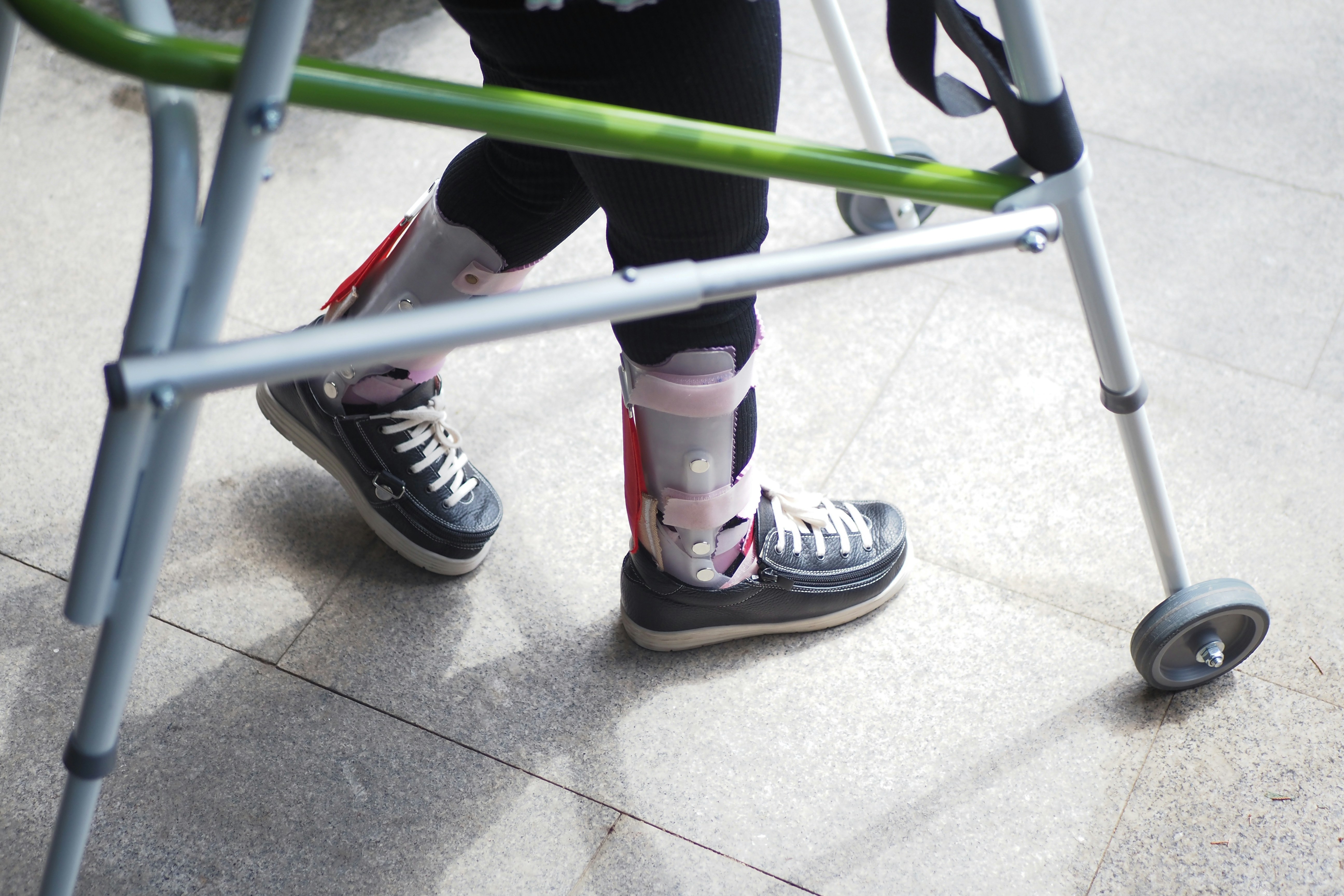
Rollators et deambulateurs pour plus de confiance et de rythme sur les trajets
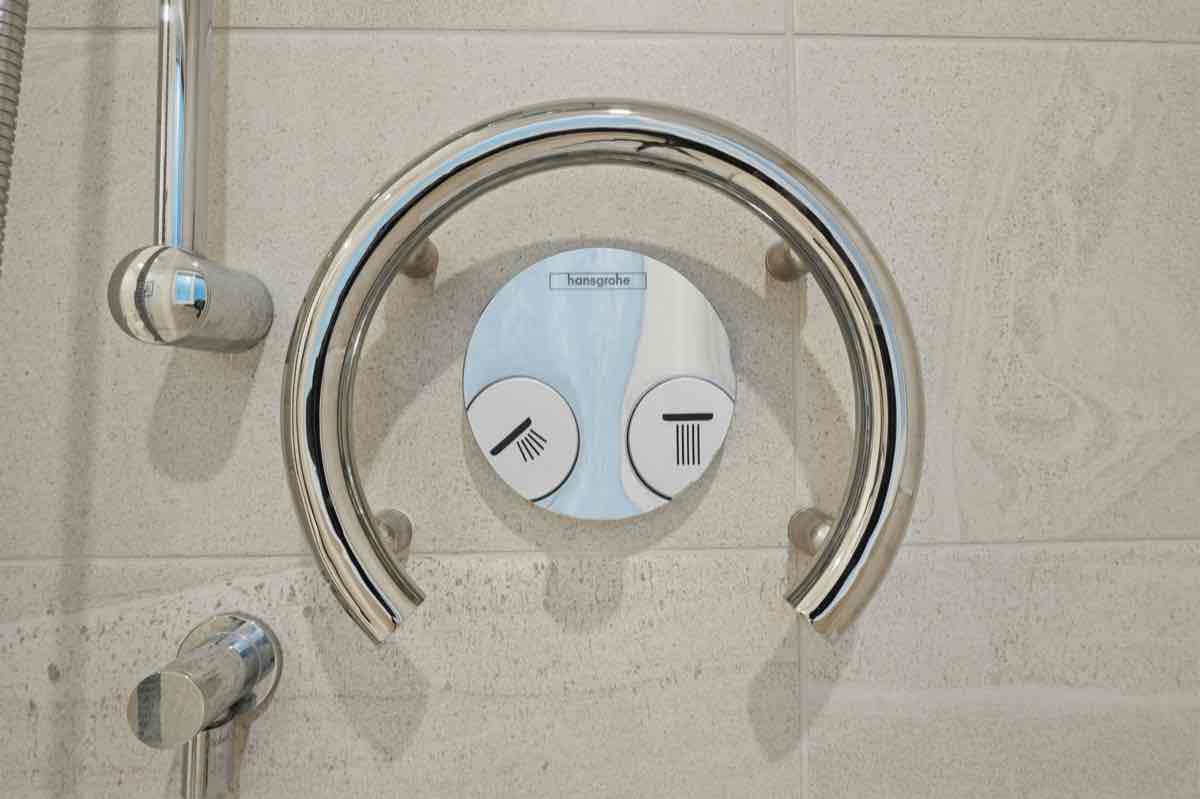
Soutien de salle de bain pour les toilettes et la douche
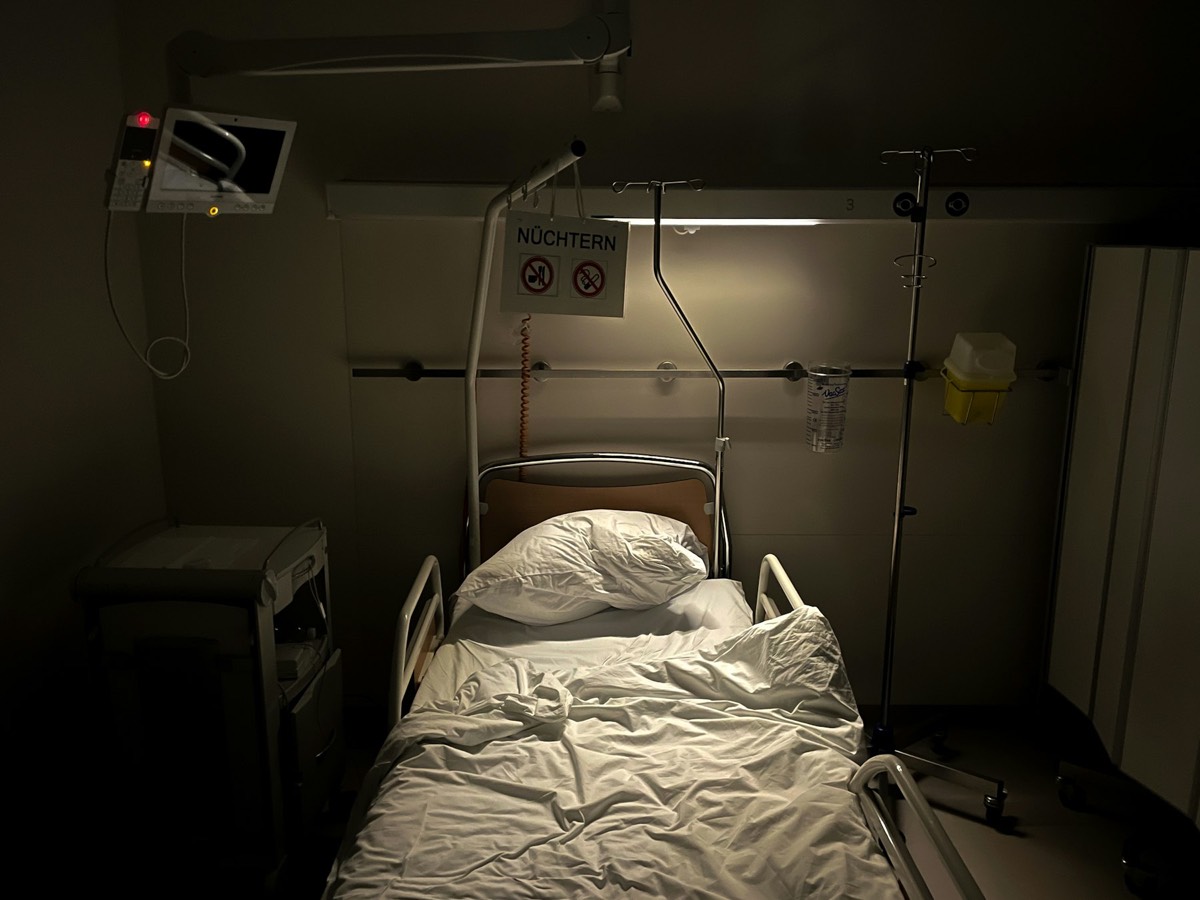
Lits ou soutien nocturne quand les transferts de nuit deviennent risqués
Comment faire durer l'installation
Un equipement ne previent les chutes que s'il est facile a utiliser chaque jour. S'il est difficile a atteindre, a positionner ou s'il semble instable, les personnes cessent de l'utiliser.
Gardez le systeme simple, visible et aligne sur les routines les plus frequentes.
Gardez les aides frequentes toujours au meme endroit
Evitez d'encombrer les trajets avec trop d'aides qui se chevauchent
Reverifiez l'ajustement apres tout changement de force ou de confiance
Hubs de contenu pertinents
Pages condition, hubs categorie et guides multilingues pour clarifier le prochain pas.
Rayon principal
Bain et toilette
Sieges de bain, chaises garde-robe, barres d'appui et aides WC avec guidance de transfert.
Les chaises percees de douche aident quand une seule installation assise doit couvrir la douche, les toilettes, l'hygiene et la routine de l'aidant avec moins de transferts risques.
Les rollators et deambulateurs sont surtout utiles quand une personne marche encore, mais a besoin de plus de constance, de rythme, de confiance au freinage ou de soutien pour terminer les trajets du quotidien.
Les lits, matelas et soutiens nocturnes deviennent essentiels quand les transferts, les repositionnements, la prevention des pressions ou la securite la nuit limitent toute la routine du foyer.
Profil pression
Hauteur de lit
Alimentation et secours
Articles pertinents
Lectures pratiques pour aidants, familles, cliniciens et equipes de soutien.