Comment la paralysie cerebrale modifie les priorites autour de la posture, de la croissance, de la participation et du soutien quotidien.
Les decisions d'equipement pour la paralysie cerebrale dependent souvent de la posture, de la croissance, du risque de contractures, des objectifs de participation, du transport et du niveau d'ajustabilite necessaire dans le temps.
Credit photo: EnabledHub archive
Sur cette page
Pourquoi posture et croissance comptent autant
Avec la paralysie cerebrale, l'equipement doit souvent faire plus que deplacer une personne d'un point A a un point B. Il peut devoir soutenir la posture, reduire l'effort, favoriser la participation et accompagner les changements dans le temps.
Cela rend l'ajustement, l'assise, la strategie posturale et la configuration a long terme bien plus importants qu'une comparaison rapide de caracteristiques.
Le soutien doit correspondre a la posture autant qu'a la mobilite.
La croissance et l'ajustabilite a long terme comptent tres tot.
Les objectifs de participation doivent orienter la famille d'equipement.
Que verifier avant l'achat
Commencez par les besoins posturaux et de soutien en position assise, debout et pendant les transferts. Verifiez ensuite le transport, les environnements a la maison et a l'ecole, le temps d'installation de l'aidant et si le produit restera utile apres la croissance ou des changements de therapie.
Pour beaucoup de familles, la vraie decision concerne moins un seul produit que l'articulation entre assise, mobilite et solutions de manutention.
Profondeur d'assise, soutien lateral et besoins tete-tronc
Compatibilite avec la maison, l'ecole et le transport
Marge de croissance sans surdimensionnement
Temps d'installation et chargement pour l'aidant
Pistes de soutien frequentes
Les fauteuils roulants et les systemes d'assise sont souvent centraux, mais de nombreuses routines profitent aussi de solutions de marche assistee, d'aides au transfert et de conseils pour les activites quotidiennes qui reduisent les frictions pour la famille.
Le bon ensemble depend fortement de l'objectif principal: confort a domicile, acces a l'ecole, entrainement a la marche ou transferts du quotidien.
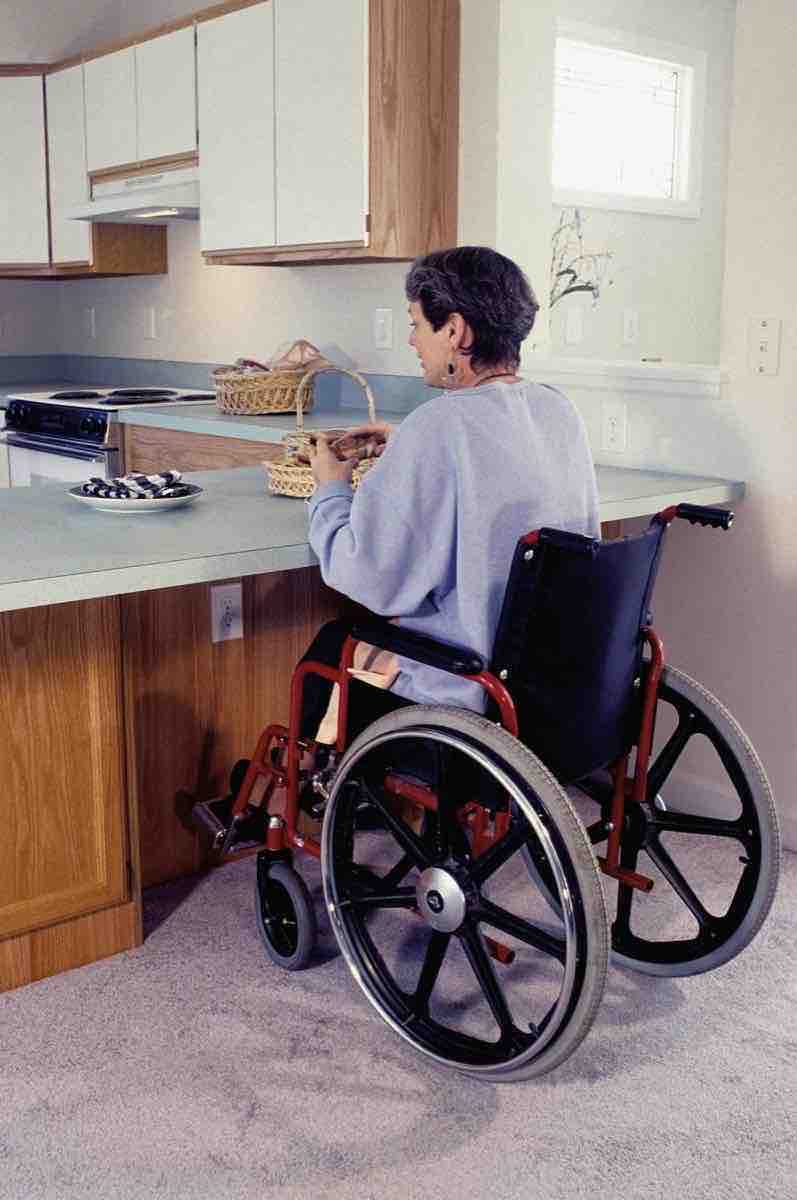
Fauteuils roulants et assise pour la posture et la participation
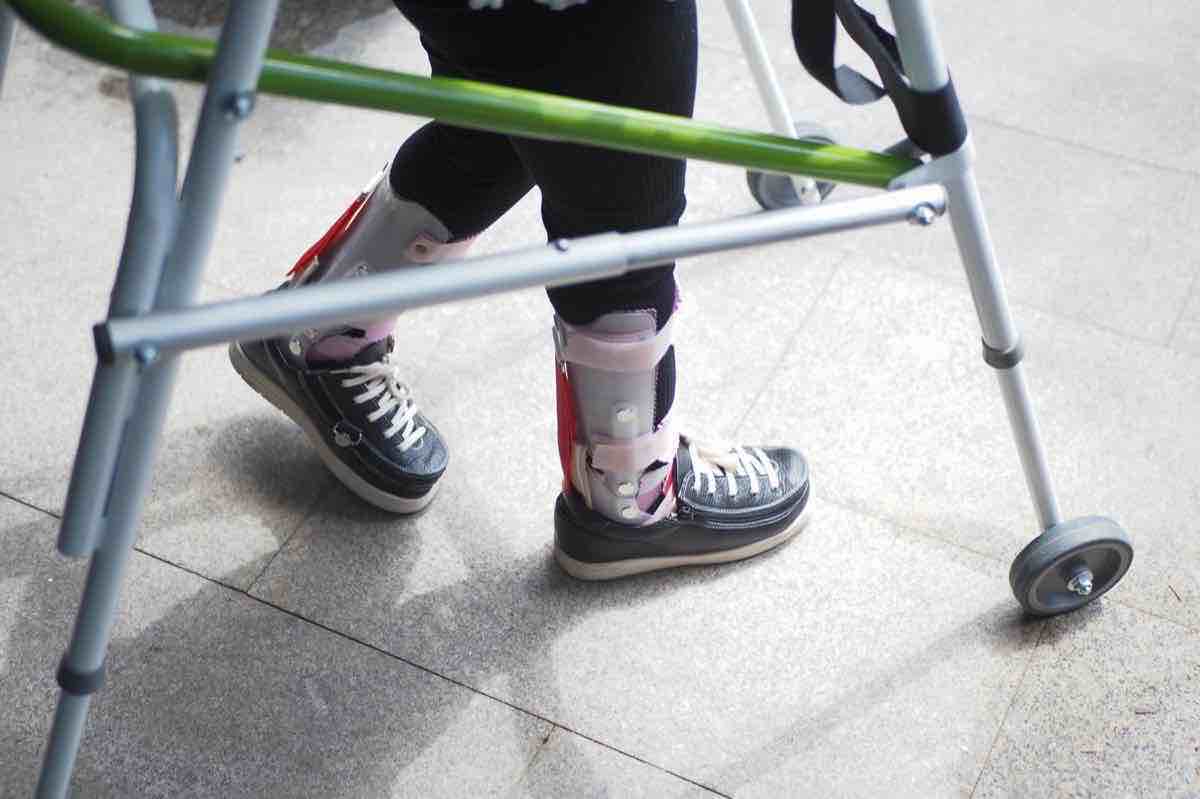
Dispositifs de marche assistee quand l'entrainement ou l'acces aux trajets compte
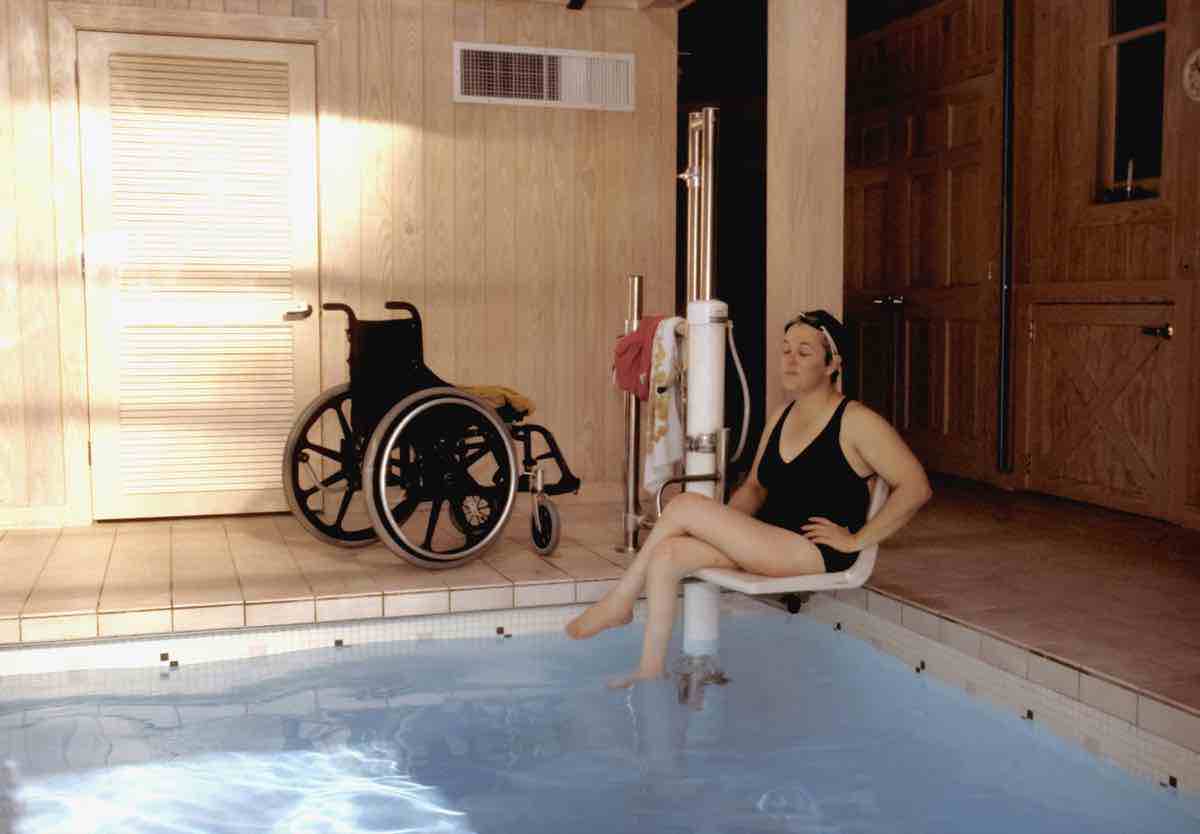
Aides au transfert quand la charge de l'aidant ou la securite deviennent limitantes
Erreurs de decision a eviter
Evitez de choisir uniquement selon l'age, la tendance du moment ou une seule etiquette clinique. Deux personnes avec le meme diagnostic peuvent avoir besoin d'equipements tres differents selon le tonus, la posture, l'endurance, la manutention et l'environnement.
Chaque fois que possible, comparez les options dans de vraies routines et de vrais espaces plutot qu'a partir de promesses produit isolees.
Ne sacrifiez pas la qualite du soutien pour gagner en compacite
Evitez le sur-achat sans objectif clair de participation
Traitez transport et routine de l'aidant comme des criteres centraux
Hubs de contenu pertinents
Pages condition, hubs categorie et guides multilingues pour clarifier le prochain pas.
Par usage
Mobilite et marche
Rollators, fauteuils roulants et outils de mobilite pour maison, ecole et communaute.
Les rollators et deambulateurs sont surtout utiles quand une personne marche encore, mais a besoin de plus de constance, de rythme, de confiance au freinage ou de soutien pour terminer les trajets du quotidien.
Les fauteuils roulants et l'assise doivent etre choisis comme des systemes de positionnement et de participation, pas seulement comme des moyens de transport.
Les aides au pivot et dispositifs d'appui au transfert sont surtout utiles quand les trajets repetes lit-fauteuil-toilettes sont le vrai goulot d'etranglement et qu'il faut reduire la charge pour l'aidant.
Empattement
Participation utilisateur
Freins et points d'appui
Articles pertinents
Lectures pratiques pour aidants, familles, cliniciens et equipes de soutien.