Comment Parkinson modifie la marche, les demi-tours, la posture, la toilette et les besoins de soutien nocturne.
Les choix d'equipement pour Parkinson dependent souvent du freezing, des demi-tours, des variations d'un jour a l'autre, de la fatigue, de la posture et du besoin de garder des routines simples sous pression.
Credit photo: EnabledHub archive
Sur cette page
Pourquoi Parkinson change les criteres de choix
Avec Parkinson, le choix d'un equipement depend souvent moins de la force pure que du timing, du freezing, de l'initiation, des virages, de la posture et des variations dans la journee.
Un produit convaincant lors d'un court essai peut echouer lorsque la personne est fatiguee, doit tourner dans une salle de bain etroite ou gerer la routine tot le matin ou tard le soir.
Evaluez la variation des performances, pas seulement le meilleur moment.
Les demi-tours et l'initiation comptent souvent plus que la marche en ligne droite.
Les routines nocturnes et la salle de bain meritent une attention separee.
Ce qu'il faut evaluer d'abord
Commencez par les moments ou l'hesitation ou le freezing cree un risque: se lever, tourner vers la salle de bain, reculer vers un siege et changer de direction dans un espace etroit.
Ensuite, observez la posture, l'endurance, les antecedents de chute et si la personne gere encore l'essentiel seule ou depend davantage d'un aidant.
Freezing et comportement dans les virages
Approche du fauteuil et des toilettes
Besoin de guidage verbal pour les transferts
Profil de fatigue au fil de la journee
Pistes d'equipement utiles
De nombreuses routines avec Parkinson gagnent a combiner une aide a la mobilite, un soutien pour l'assise ou l'hygiene, et parfois un meilleur positionnement nocturne ou une aide au lit.
Cela peut vouloir dire un rollator pour une marche plus sure, un fauteuil ou un soutien d'assise pour les routines marquees par la fatigue, et des produits de chambre quand entrer, sortir et se repositionner dans le lit devient difficile.
Rollators et deambulateurs pour une mobilite avec reperes plus fiables
Soutien pour toilette et hygiene afin de securiser l'approche et le lever-assis
Lits et soutien nocturne quand les soins de nuit deviennent le point de blocage
Conseils pratiques d'installation
Choisissez des solutions qui reduisent l'hesitation, simplifient les demi-tours et restent tolerrantes quand l'initiation ralentit. Les produits qui demandent trop d'etapes ou un timing parfait deviennent vite frustrants.
En cas de doute, concevez d'abord autour des transitions les plus risquées et gardez des routines d'equipement aussi constantes que possible.
Gardez des sequences de transfert courtes et repetables
Priorisez la confiance dans le freinage et l'ajustement de la hauteur d'assise
Evitez les produits difficiles a repositionner dans les petits espaces
Hubs de contenu pertinents
Pages condition, hubs categorie et guides multilingues pour clarifier le prochain pas.
Par usage
Mobilite et marche
Rollators, fauteuils roulants et outils de mobilite pour maison, ecole et communaute.
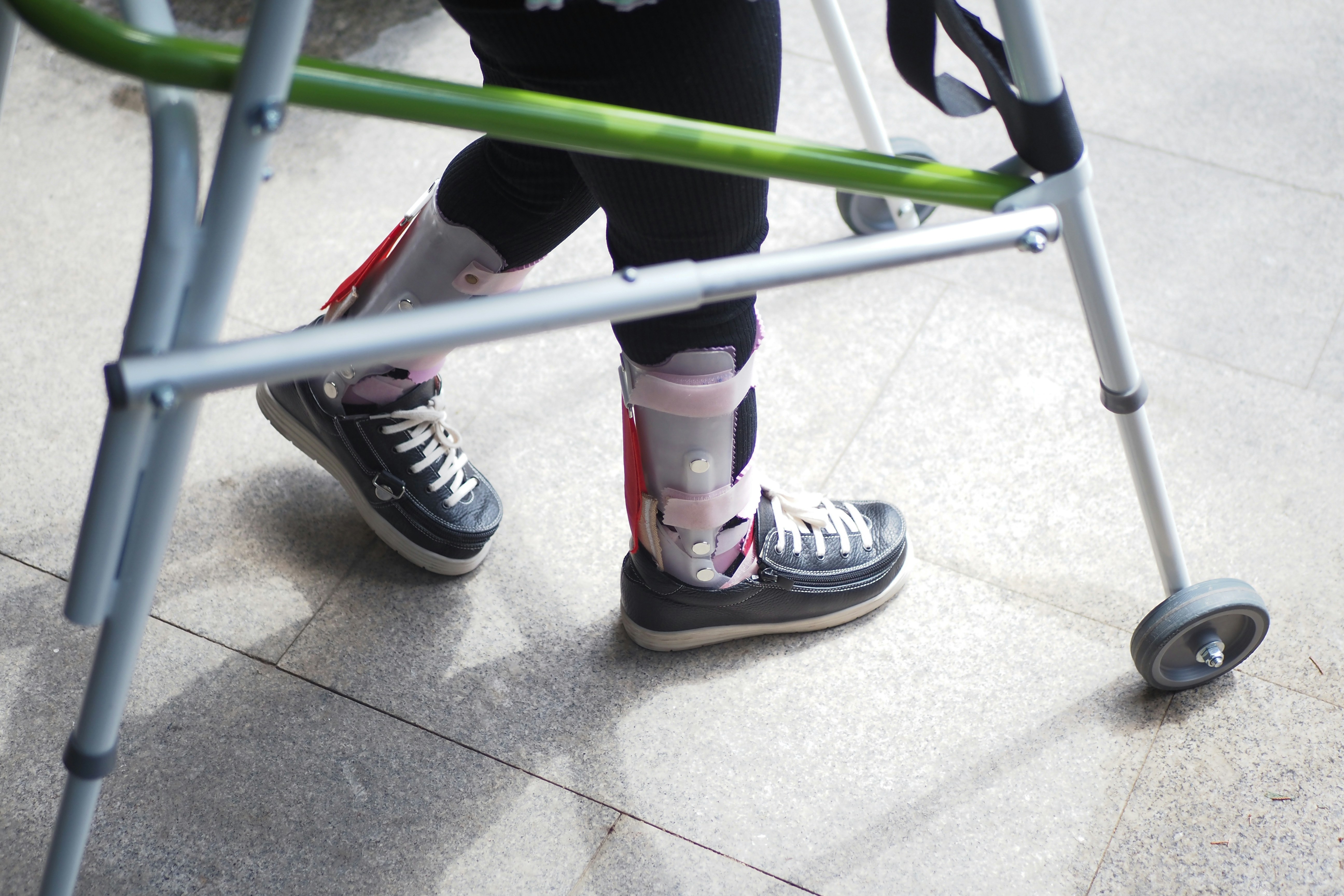
Les rollators et deambulateurs sont surtout utiles quand une personne marche encore, mais a besoin de plus de constance, de rythme, de confiance au freinage ou de soutien pour terminer les trajets du quotidien.
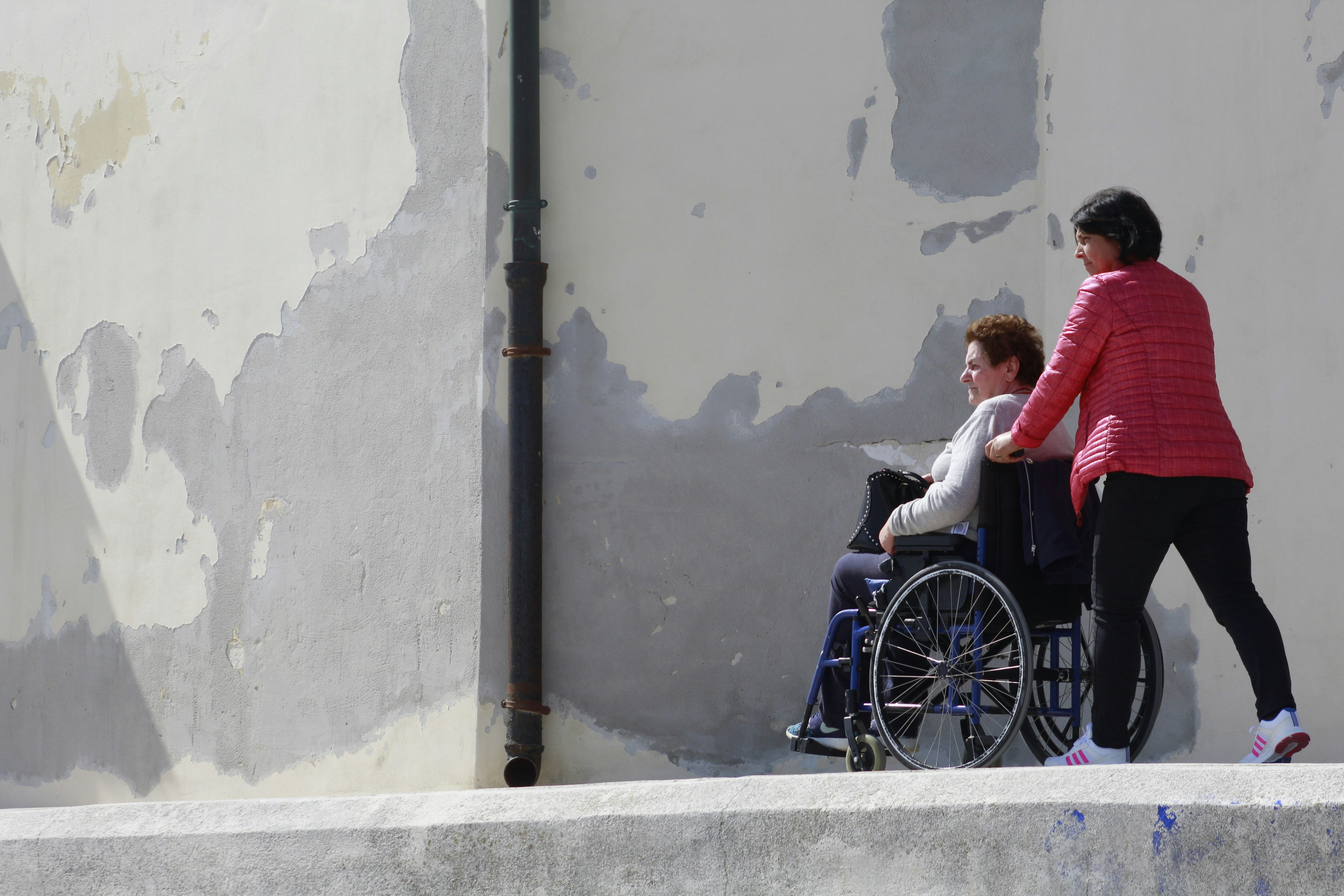
Les fauteuils roulants et l'assise doivent etre choisis comme des systemes de positionnement et de participation, pas seulement comme des moyens de transport.
Les lits, matelas et soutiens nocturnes deviennent essentiels quand les transferts, les repositionnements, la prevention des pressions ou la securite la nuit limitent toute la routine du foyer.
Profil pression
Hauteur de lit
Alimentation et secours
Articles pertinents
Lectures pratiques pour aidants, familles, cliniciens et equipes de soutien.