Comment la SEP modifie les choix d'equipement quand la fatigue, l'equilibre et les besoins de soutien fluctuent dans le temps.
La planification de l'equipement pour la SEP doit souvent tenir compte de la fatigue variable, de la sensibilite a la chaleur, des changements d'equilibre, de l'evolution des besoins et du risque d'acheter trop vite un produit vite depasse.
Pourquoi la SEP demande des decisions qui anticipent l'evolution
La SEP peut faire varier les besoins de soutien de facon progressive ou irreguliere. L'equipement doit donc rester utile quand la fatigue, l'equilibre, les transferts et l'endurance changent.
Le meilleur choix n'est pas toujours le produit le plus leger ou le plus minimal, mais celui qui reste gerable pendant les bons et les mauvais jours.
Planifiez pour la fluctuation, pas pour une seule ligne de base.
Cherchez un soutien qui reste utile quand l'endurance change.
Evitez les produits tout de suite trop avances ou trop limites.
Questions cles d'evaluation
Commencez par cartographier les trajets les plus longs et les plus fatigants de la journee, puis examinez les transferts, la salle de bain, les marches ou seuils et ce qui se passe au moment ou l'energie est au plus bas.
Evaluez aussi si l'equipement doit etre gere seul, partiellement prepare par un aidant ou entierement pris en charge par quelqu'un d'autre.
Cout energetique des routines quotidiennes
Fiabilite de la marche plus tard dans la journee
Besoin de repos assis ou d'une solution de secours pour le transport
Securite des transferts quand la fatigue atteint son pic
Familles d'equipements souvent utiles
Pour beaucoup de personnes avec une SEP, les aides a la mobilite, le soutien aux transferts et les produits de chambre ou de prevention des pressions deviennent pertinents par etapes plutot que tous a la fois.
Choisir en pensant a l'evolution peut limiter les rachats et aider le foyer a construire un ensemble plus coherent au fil du temps.
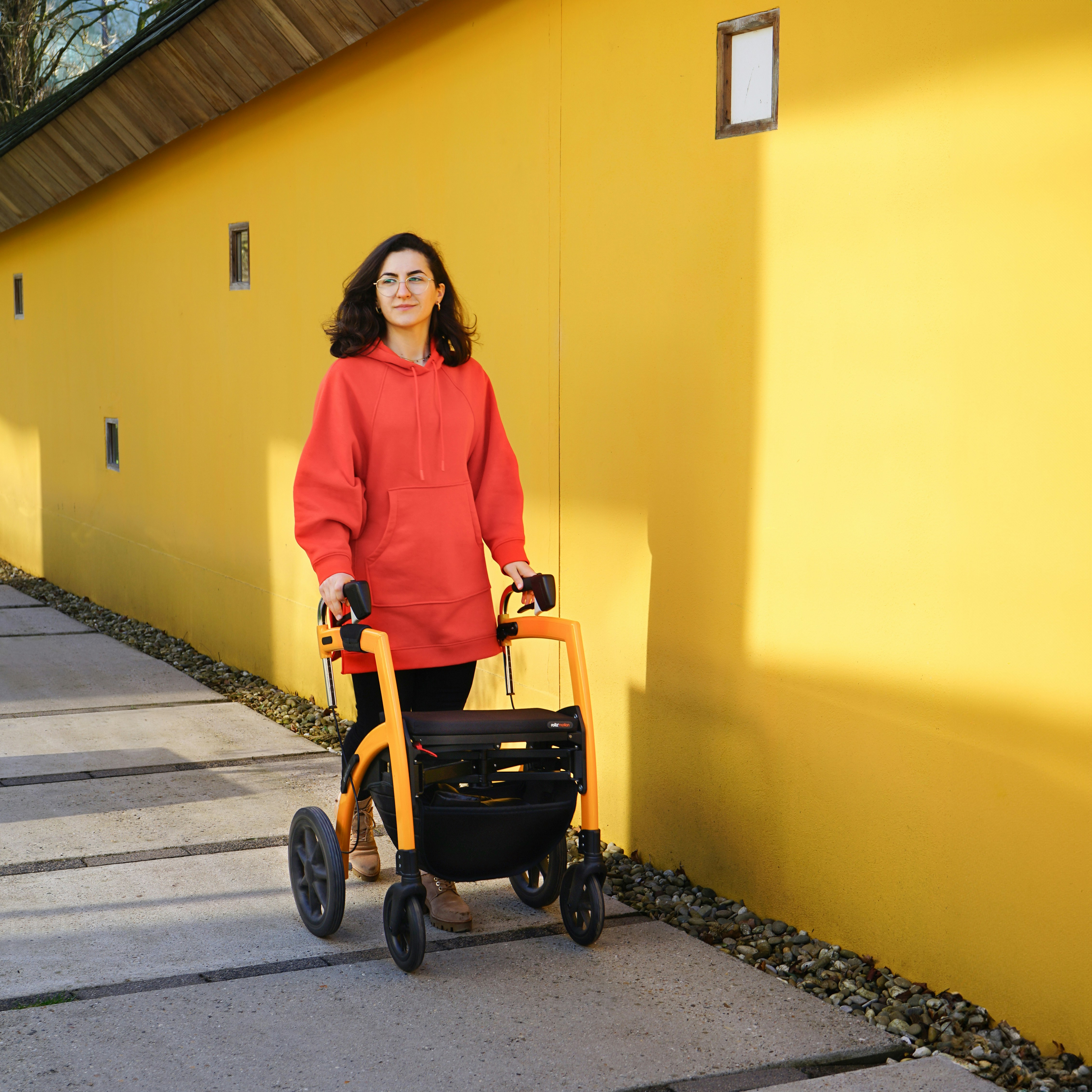
Rollators pour le rythme et des trajets plus surs
Aides au transfert quand les mouvements repetes deviennent plus exigeants
Lits ou surfaces de soutien quand les soins de nuit et le repositionnement deviennent plus difficiles
Comment eviter un mauvais achat
Mefiez-vous des solutions legeres et attrayantes qui deviennent instables, maladroites ou insuffisantes quand la fatigue augmente.
Quand c'est possible, choisissez un equipement qui couvre les besoins actuels et ceux du futur proche au lieu d'imposer un remplacement complet trop tot.
Priorisez l'ajustabilite et une plage de soutien vraiment utile
Verifiez la routine de l'aidant meme si l'aide est minime aujourd'hui
Notez ce qui fait echouer l'equipement dans la vraie routine
Hubs de contenu pertinents
Pages condition, hubs categorie et guides multilingues pour clarifier le prochain pas.
Par usage
Mobilite et marche
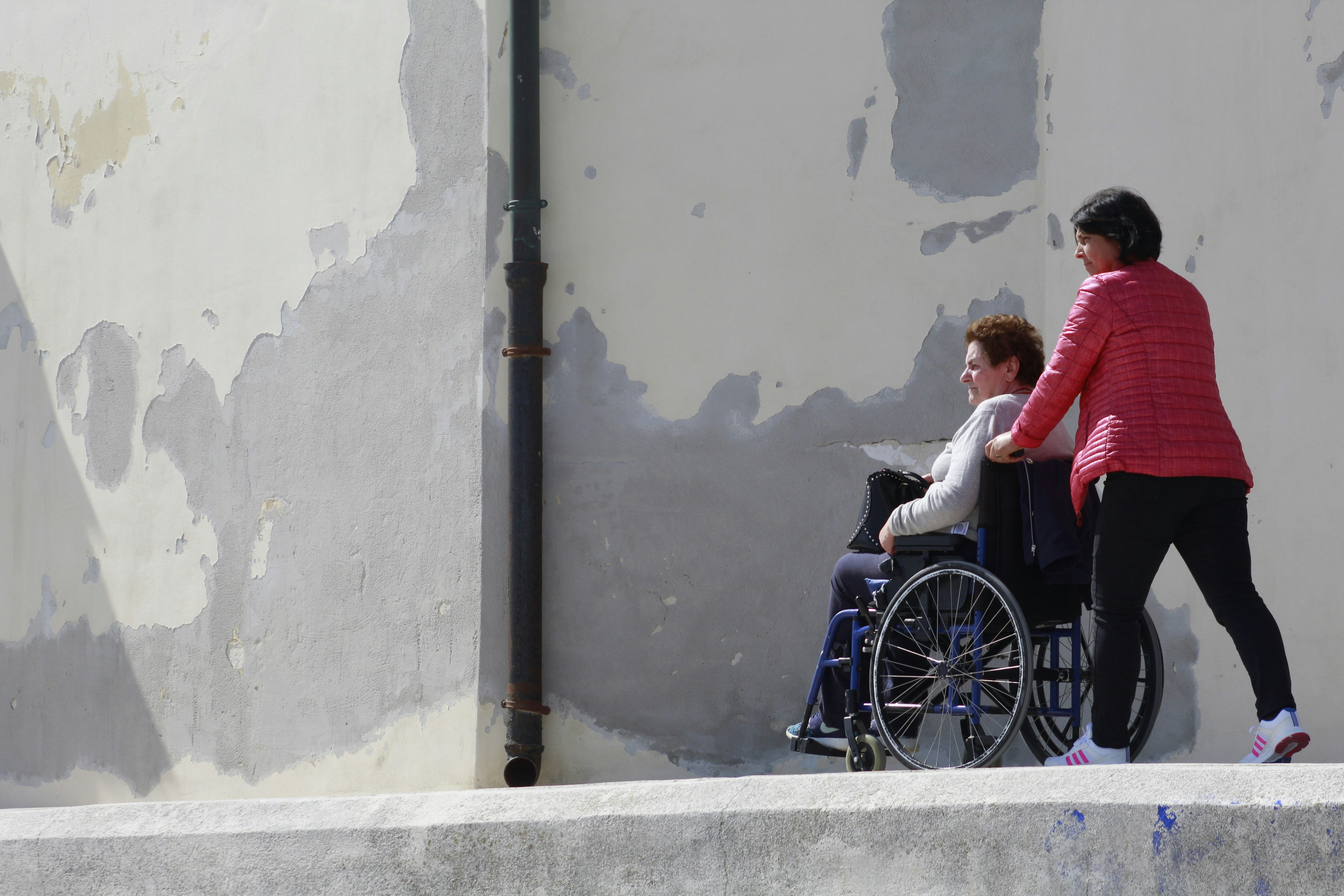
Rollators, fauteuils roulants et outils de mobilite pour maison, ecole et communaute.
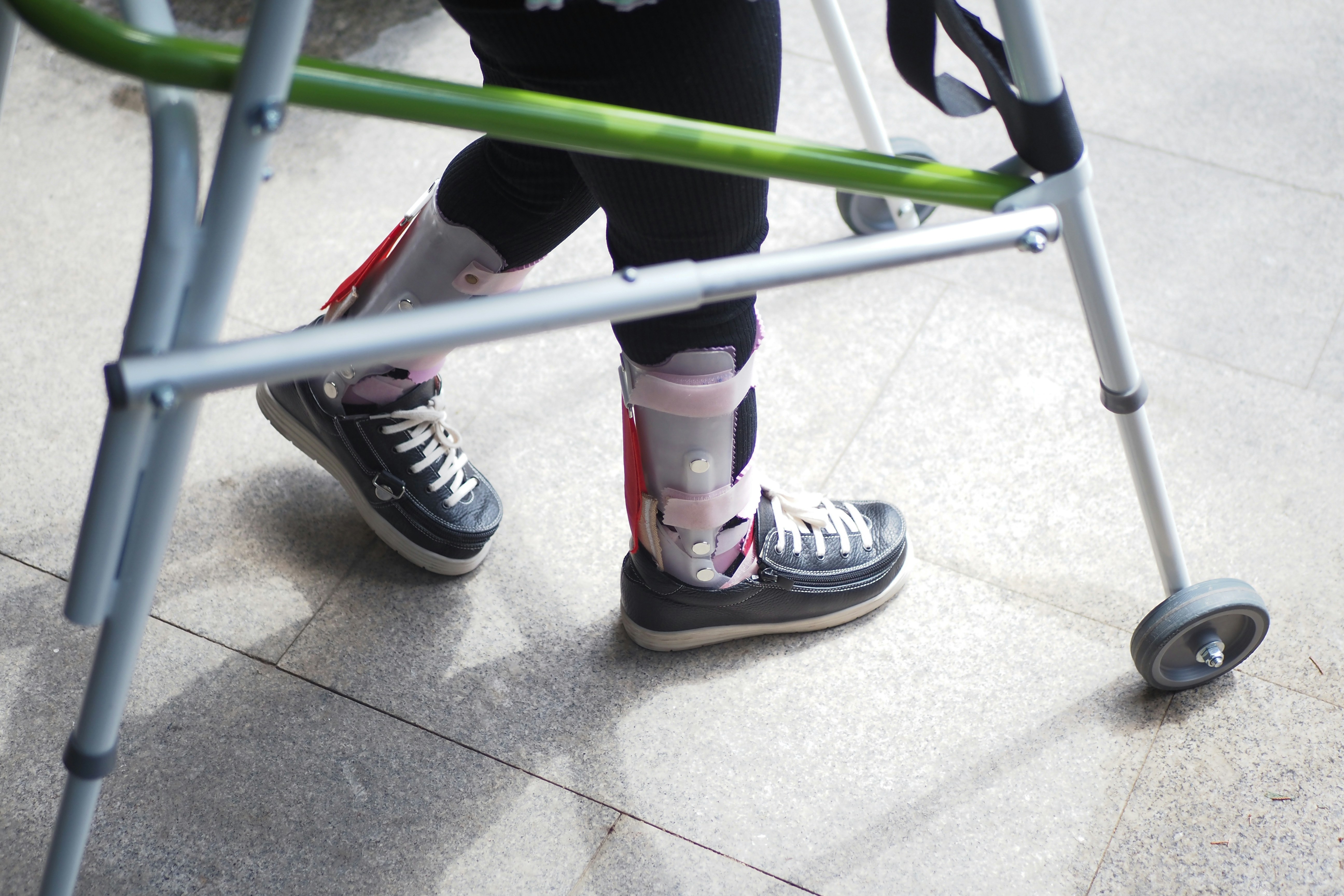
Les rollators et deambulateurs sont surtout utiles quand une personne marche encore, mais a besoin de plus de constance, de rythme, de confiance au freinage ou de soutien pour terminer les trajets du quotidien.
Les aides au pivot et dispositifs d'appui au transfert sont surtout utiles quand les trajets repetes lit-fauteuil-toilettes sont le vrai goulot d'etranglement et qu'il faut reduire la charge pour l'aidant.
Les lits, matelas et soutiens nocturnes deviennent essentiels quand les transferts, les repositionnements, la prevention des pressions ou la securite la nuit limitent toute la routine du foyer.
Profil pression
Hauteur de lit
Alimentation et secours
Articles pertinents
Lectures pratiques pour aidants, familles, cliniciens et equipes de soutien.