Comment la prothese de hanche modifie la hauteur d'assise, l'acces a la salle de bain, la marche et les decisions de debut de recuperation.
Apres une prothese de hanche, les choix d'equipement les plus importants concernent surtout le lever-assis, l'acces a la salle de bain, la confiance a la marche et les installations qui evitent de se pencher ou de se tordre de facon risquee.
Credit photo: EnabledHub archive
Sur cette page
Pourquoi la salle de bain devient prioritaire
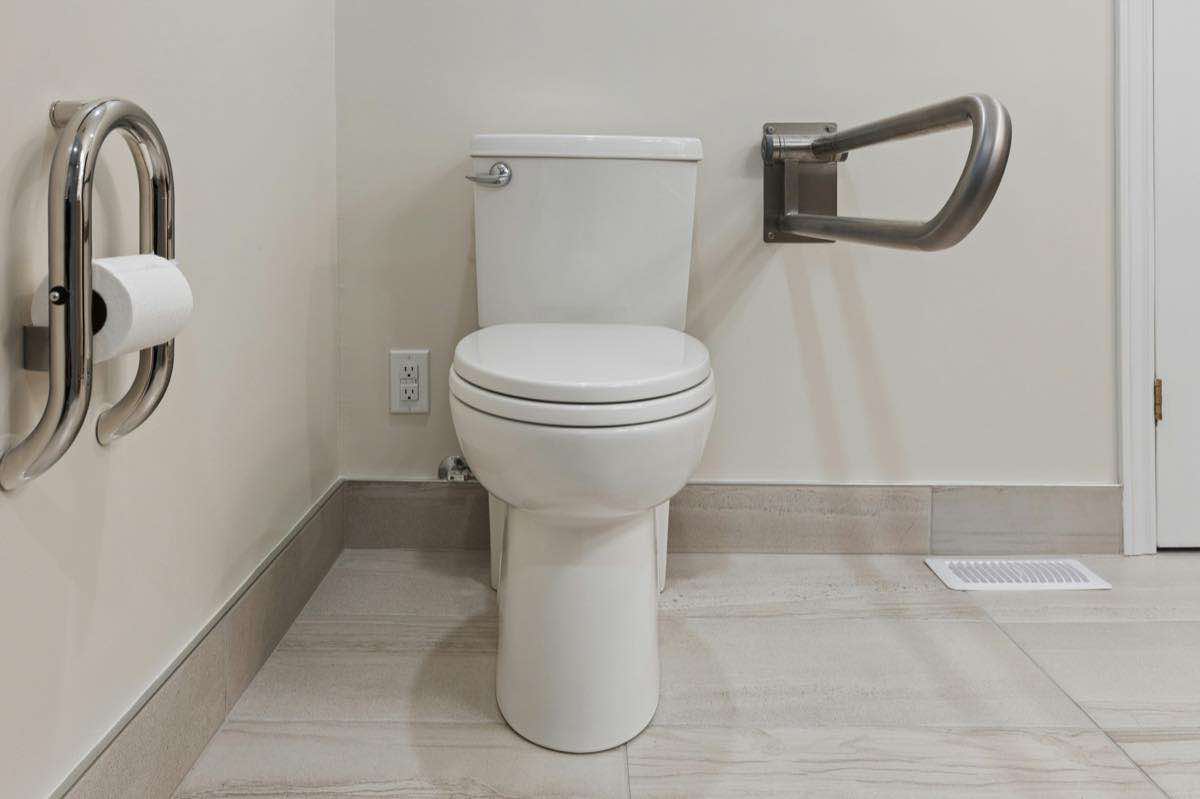
Apres une prothese de hanche, certains des moments les plus risques se produisent dans la salle de bain: approche des toilettes, lever et assise depuis un siege bas, entree dans la douche et gestion des surfaces glissantes quand la confiance revient a peine.
De petits choix d'equipement peuvent rendre ces routines beaucoup plus gerables, surtout lorsqu'ils evitent les transferts bas et les rotations maladroites.
Commencez par la hauteur d'assise et l'angle d'approche.
Reduisez les flexions, rotations et pivots instables.
Visez une routine simple et coherente plutot qu'une serie de correctifs temporaires.
Ce qu'il faut evaluer
Verifiez la hauteur des toilettes, l'entree de douche, le passage des seuils, la hauteur du lit et du fauteuil, et si une aide a la marche est necessaire a l'interieur, a l'exterieur ou dans les deux cas.
Regardez aussi si la recuperation est surtout geree seul ou si une autre personne aidera pour la toilette et les transferts pendant la premiere phase.
Difference de hauteur entre assises et lit
Espace de rotation dans la salle de bain
Besoin d'aide a la marche pour les courtes distances a domicile
Soutien temporaire ou plus durable pendant la recuperation
Familles d'equipement les plus pertinentes
Pour beaucoup de recuperations apres prothese de hanche, le meilleur point de depart est un ensemble de soutien a la marche, d'aides pour les toilettes et de materiel d'acces a la salle de bain.
Cela veut souvent dire comparer deambulateurs ou rollators, solutions d'hygiene relevees ou assistees, et produits pour le bain ou la douche qui rendent les premieres semaines plus simples et plus sures.
Rollators et deambulateurs pour marcher plus sereinement pendant le retour de confiance
Assises de salle de bain et soutien a l'hygiene pour reduire les transferts bas
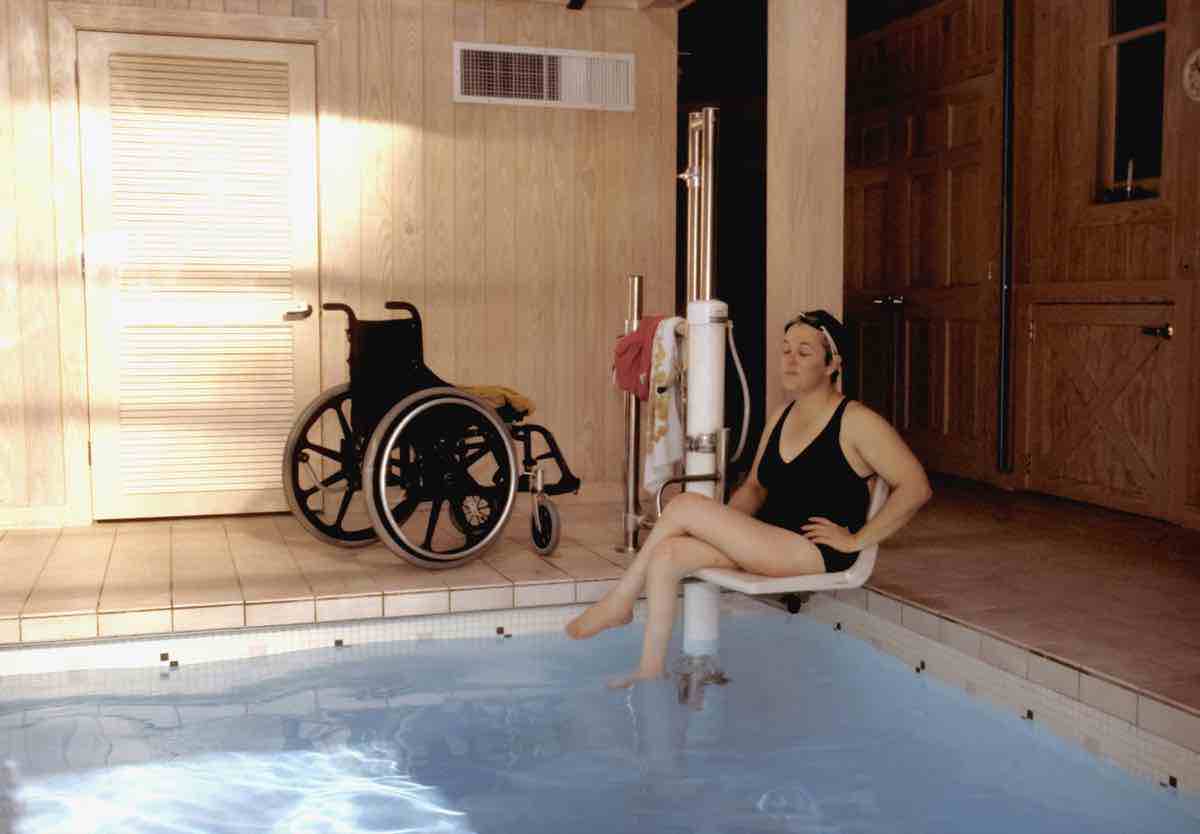
Produits de transfert vers le bain lorsque la douche n'est pas la routine principale
Comment garder l'equipement pratique
Essayez de ne pas construire la recuperation avec des accessoires sans lien. Un petit nombre de produits bien assortis fonctionne en general mieux que plusieurs dispositifs qui encombrent et rendent les routines incoherentes.
Choisissez d'abord l'equipement qui soutient les moments les plus difficiles de la journee, puis ajoutez seulement s'il existe un benefice clair.
Priorisez la route qui semble la moins sure aujourd'hui
Alignez les hauteurs d'assise sur la routine principale quand c'est possible
Choisissez un soutien de salle de bain facile a nettoyer et a faible friction
Hubs de contenu pertinents
Pages condition, hubs categorie et guides multilingues pour clarifier le prochain pas.
Rayon principal
Bain et toilette
Sieges de bain, chaises garde-robe, barres d'appui et aides WC avec guidance de transfert.
Les elevateurs de bain sont surtout utiles quand une personne veut ou doit garder une routine de bain, mais que l'entree et la sortie de la baignoire sont devenues la partie la plus risquee de la journee.
Les chaises percees de douche aident quand une seule installation assise doit couvrir la douche, les toilettes, l'hygiene et la routine de l'aidant avec moins de transferts risques.
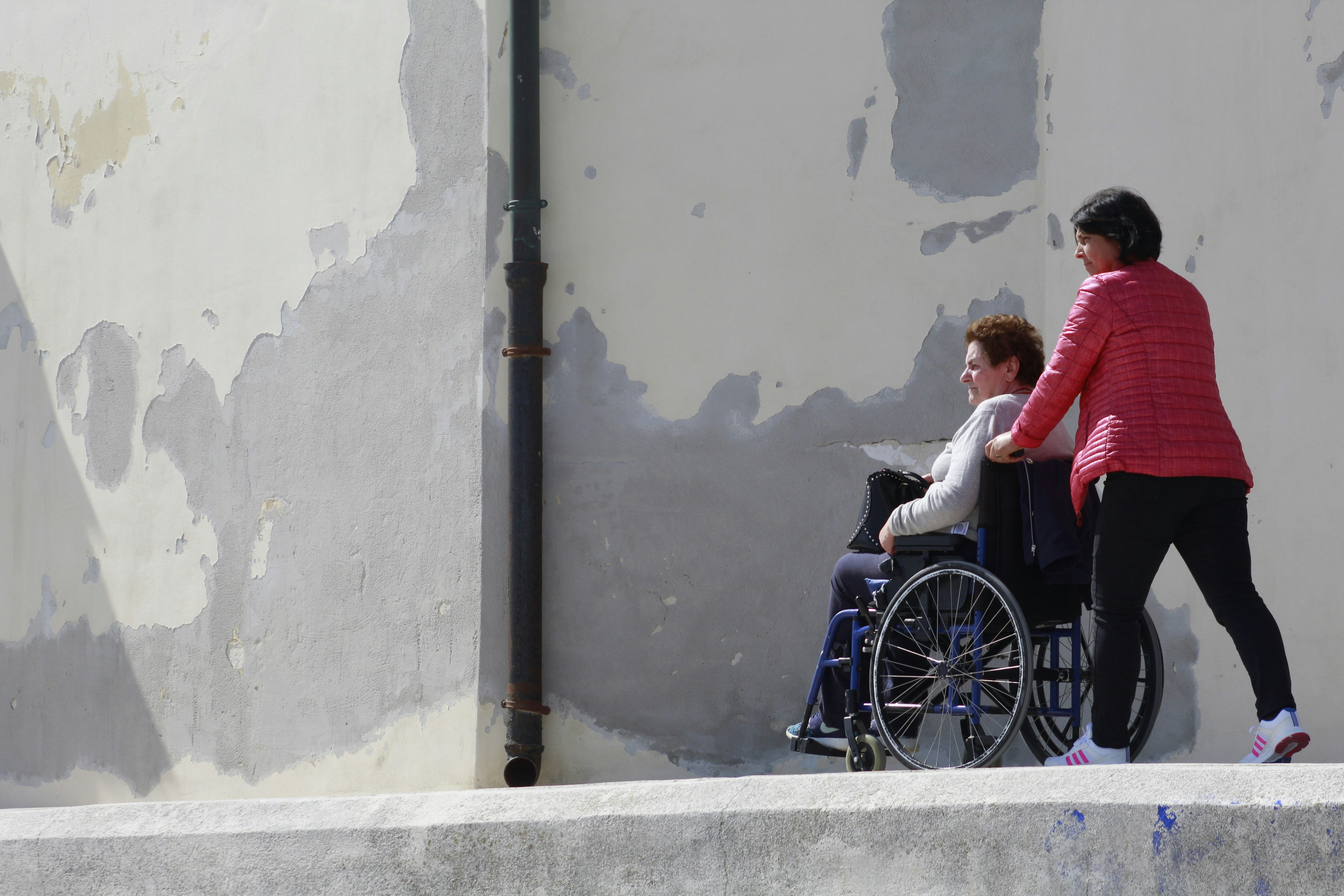
Les rollators et deambulateurs sont surtout utiles quand une personne marche encore, mais a besoin de plus de constance, de rythme, de confiance au freinage ou de soutien pour terminer les trajets du quotidien.
Rayon interieur
Terrain exterieur
Poids pour voiture
Articles pertinents
Lectures pratiques pour aidants, familles, cliniciens et equipes de soutien.