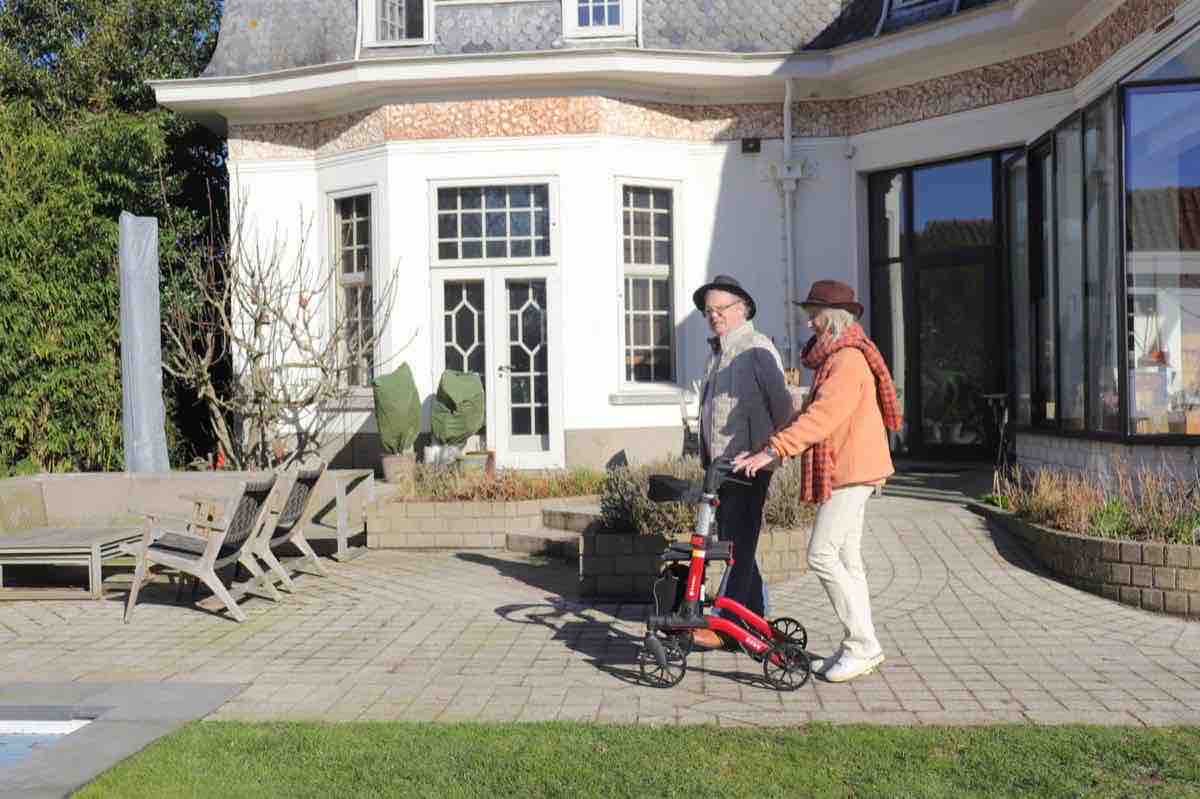
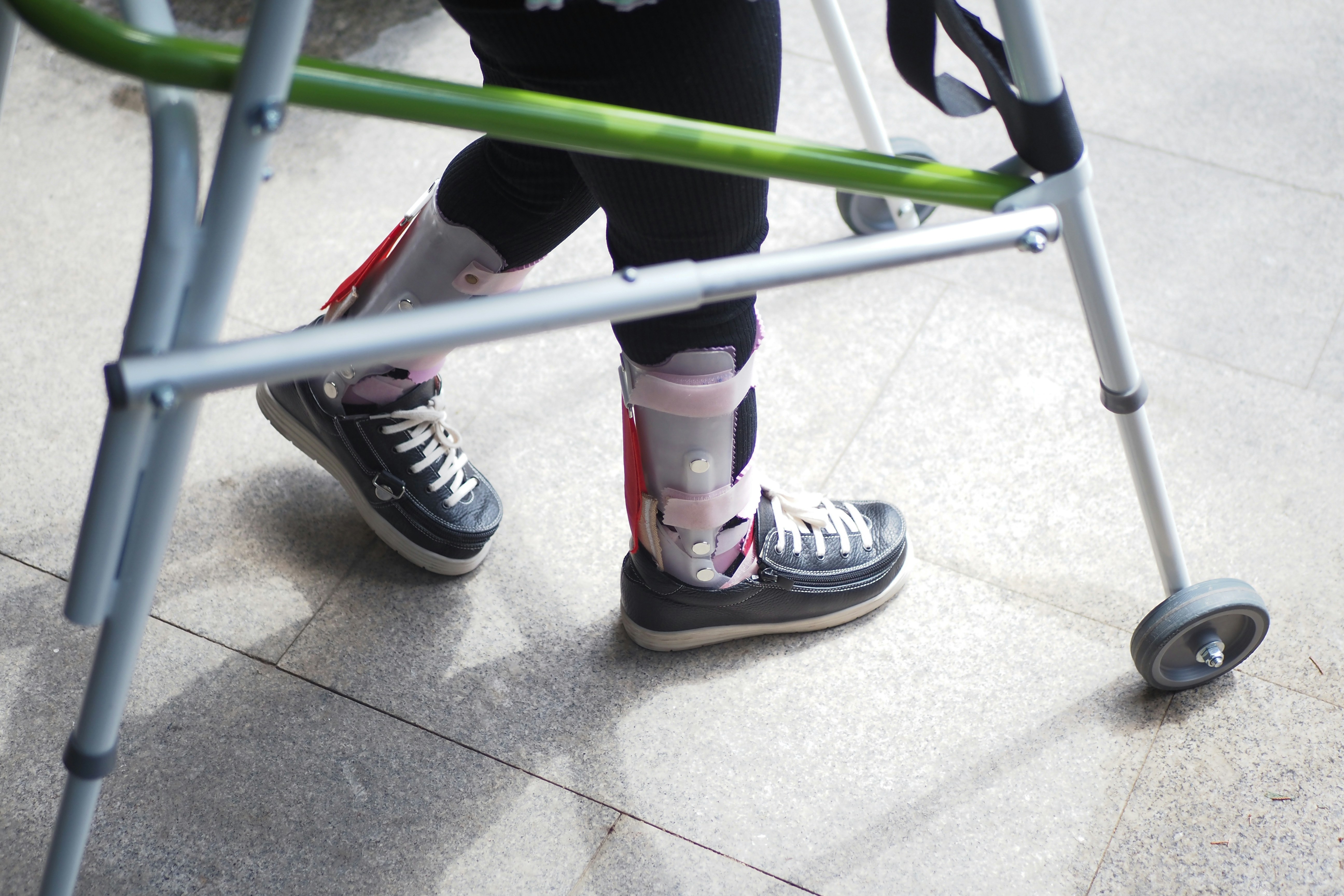
Les rollators et deambulateurs sont surtout utiles quand une personne marche encore, mais a besoin de plus de constance, de rythme, de confiance au freinage ou de soutien pour terminer les trajets du quotidien.
Comparez poids, freins, pliage et l'endroit ou l'aide est utilisee la plupart du temps.
Credit photo: EnabledHub archive
Rayon interieur
Terrain exterieur
Poids pour voiture
Sur cette page
Pour qui cette famille est utile
Cette famille convient aux personnes qui restent ambulatoires mais ont besoin de plus de stabilite, d'aide pour le rythme, de possibilites de repos ou de confiance dans les trajets du quotidien. Le bon choix depend de ce qui limite le plus: endurance, equilibre, acces exterieur, demi-tours ou un peu de tout.
Ces produits sont souvent le lien entre une marche encore autonome et une mobilite plus structuree.
Adaptés aux personnes qui marchent encore mais gagnent a etre soutenues
Souvent choisis pour terminer les trajets, pas seulement pour le symptome
Peuvent reduire la fatigue et augmenter la confiance s'ils sont bien choisis
Comment evaluer l'ajustement
Commencez par le vrai trajet: virages a l'interieur, seuils, surfaces exterieures, chargement en voiture, rangement et frequence des pauses assises.
Ensuite, regardez la fonction des mains, la fiabilite des freins, l'encombrement une fois plie et la capacite de la personne a gerer l'appareil sous fatigue ou stress.
Rayon de rotation en interieur
Terrain exterieur et comportement des roues
Confiance dans l'usage des freins
Praticite du rangement et du chargement en voiture
Variantes courantes et compromis
Les modeles plus legers sont parfois plus faciles a soulever et ranger, mais ils peuvent sembler moins stables. Les rollators plus soutenants roulent parfois mieux dehors et offrent une meilleure assise, mais ils sont plus encombrants dans les petits logements.
Le bon modele est en general celui qui correspond au trajet le plus difficile de la semaine, pas au plus simple de la journee.
Deambulateurs compacts plutot pensés pour l'interieur
Rollators plus robustes pour des terrains mixtes
Modeles avec assise et pauses plus convaincantes pour le rythme
Quand une autre voie de mobilite est preferable
Si les virages, la posture, l'endurance ou la fatigue limitent trop, ou si les trajets ne se font pas vraiment meme avec un appui a la marche, une autre solution de mobilite ou d'assise peut etre plus pertinente.
Les rollators et deambulateurs sont pertinents quand la marche reste significative et repetable avec aide. Ils sont moins adaptes quand ils ne font que retarder une solution manifestement mieux ajustee.
Passez a un autre niveau si l'appareil ne rend pas les trajets vraiment repetables
Pensez a une solution d'assise quand posture et fatigue dominent
N'achetez pas seulement sur le poids ou le style sans tester les trajets
Conditions et situations associees
Lectures pratiques pour aidants, familles, cliniciens et equipes de soutien.
Les decisions d'equipement apres un AVC tournent souvent autour de la marche, de la faiblesse d'un cote, de la fatigue, des transferts et du niveau d'aide quotidien qu'un aidant doit fournir.
Les choix d'equipement pour Parkinson dependent souvent du freezing, des demi-tours, des variations d'un jour a l'autre, de la fatigue, de la posture et du besoin de garder des routines simples sous pression.
La planification de l'equipement pour la SEP doit souvent tenir compte de la fatigue variable, de la sensibilite a la chaleur, des changements d'equilibre, de l'evolution des besoins et du risque d'acheter trop vite un produit vite depasse.
Les decisions d'equipement pour prevenir les chutes fonctionnent le mieux lorsqu'elles ciblent d'abord les transitions les plus risquees: se lever, acceder a la salle de bain, se deplacer la nuit et garder de la confiance sur les trajets dans la maison.
Articles associes
Lectures pratiques pour aidants, familles, cliniciens et equipes de soutien.