Le positionnement compte
Fauteuils roulants et soutien d'assise
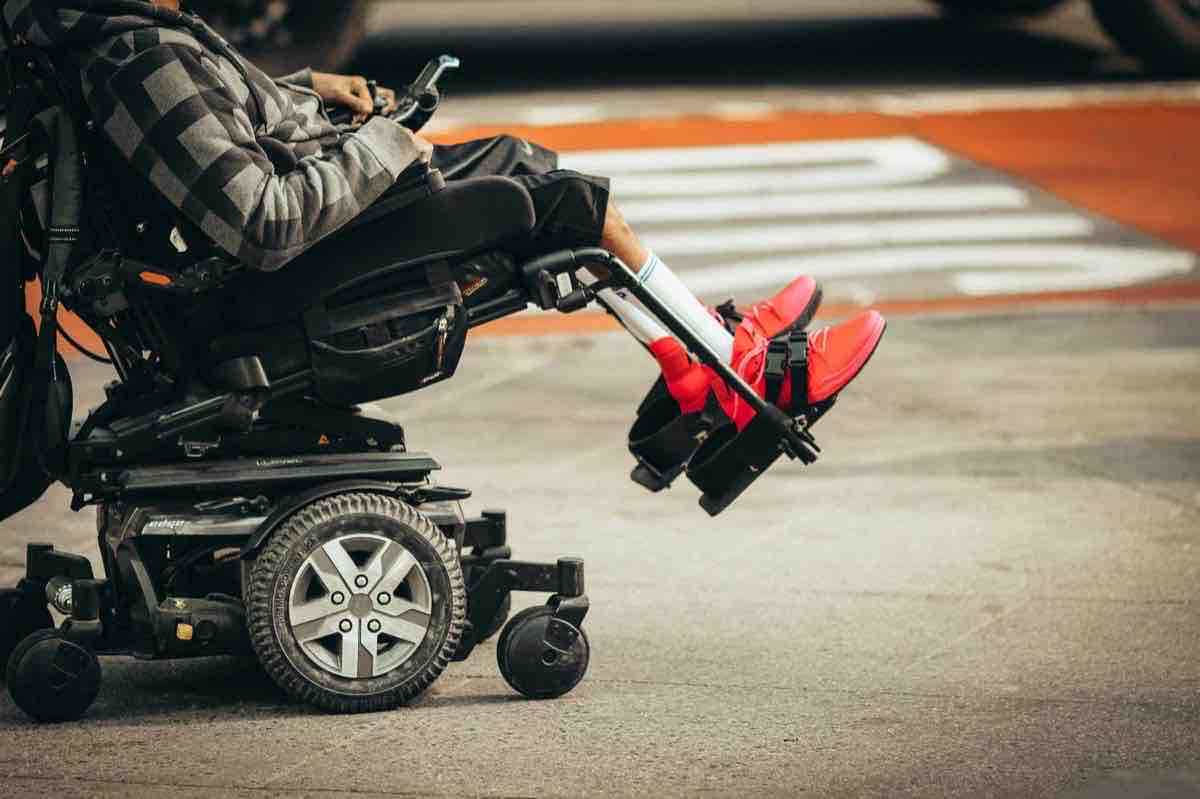
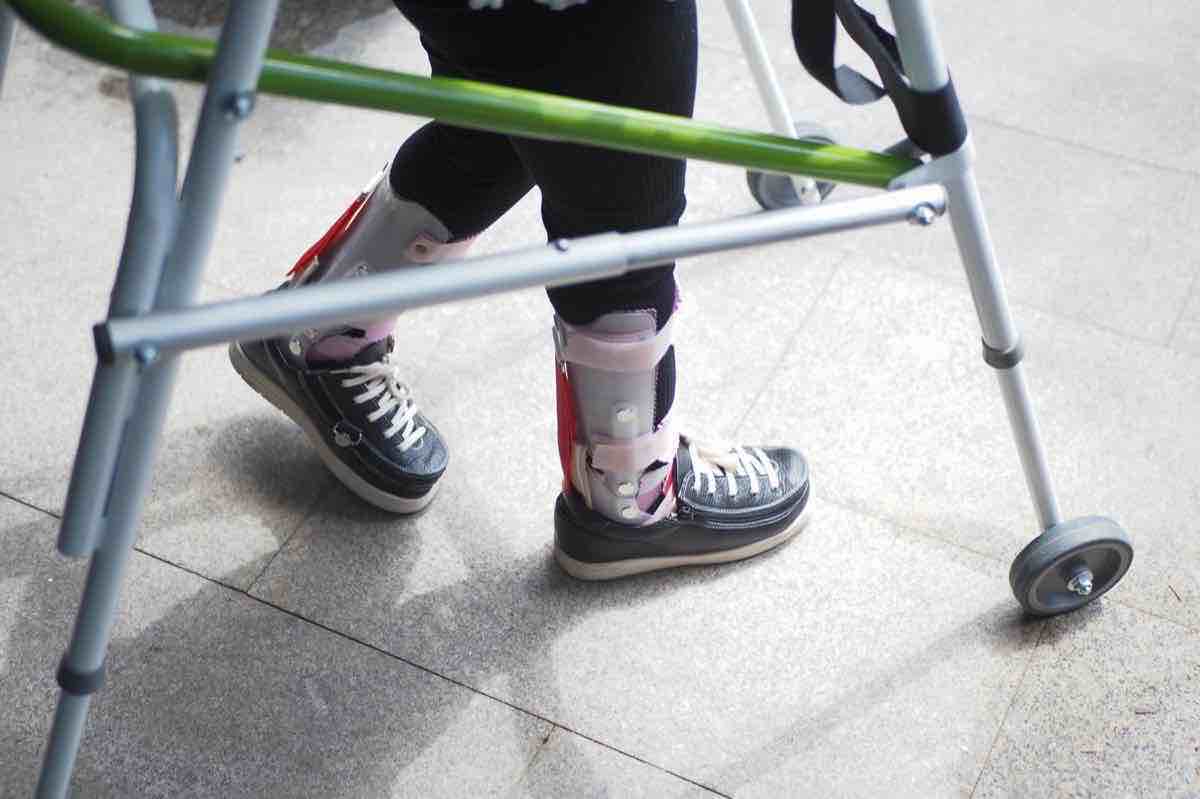
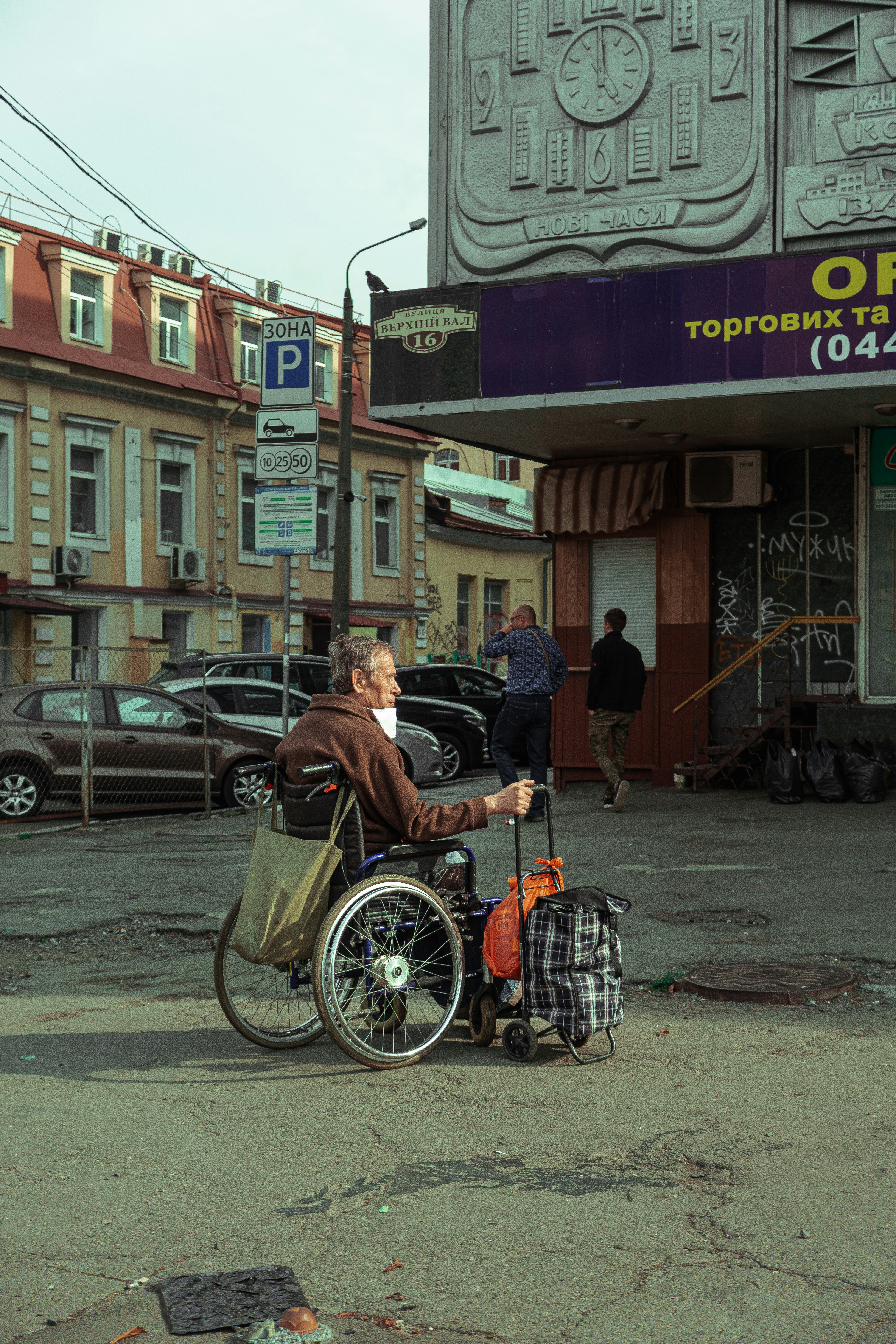
Les fauteuils roulants et l'assise doivent etre choisis comme des systemes de positionnement et de participation, pas seulement comme des moyens de transport.
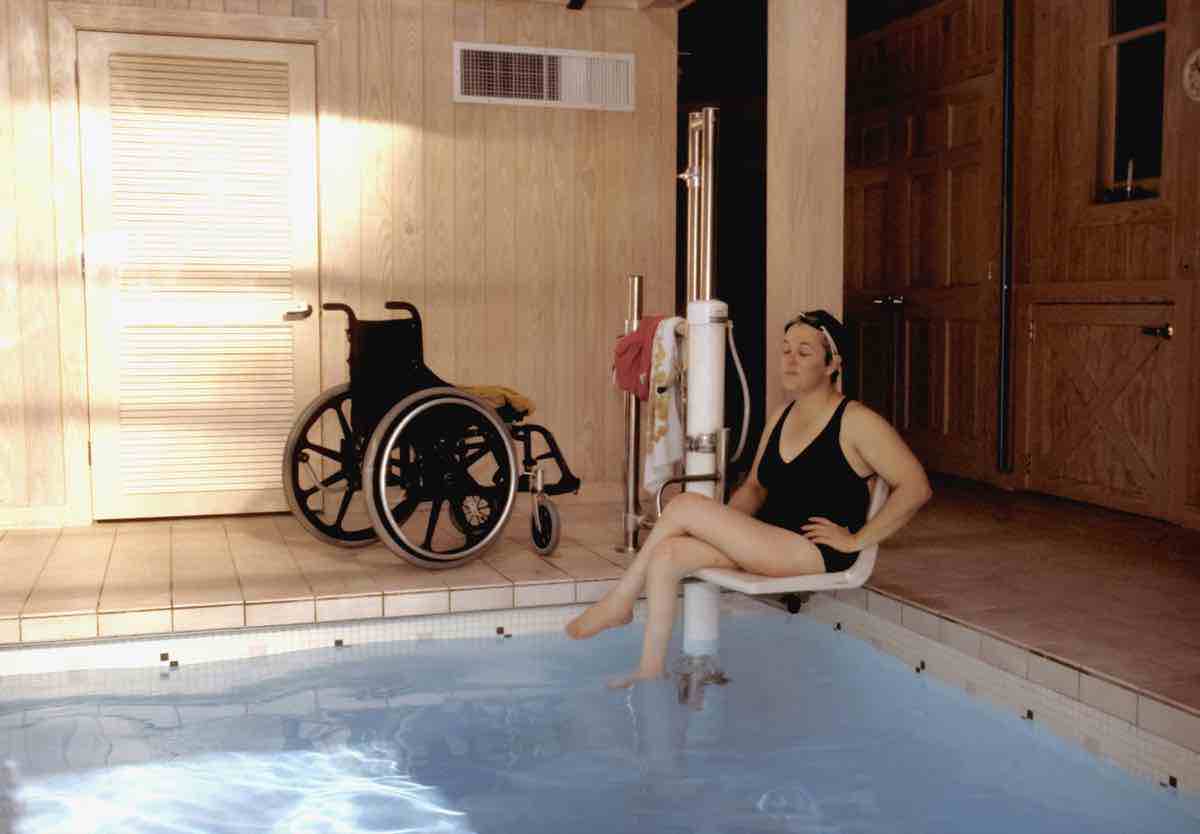
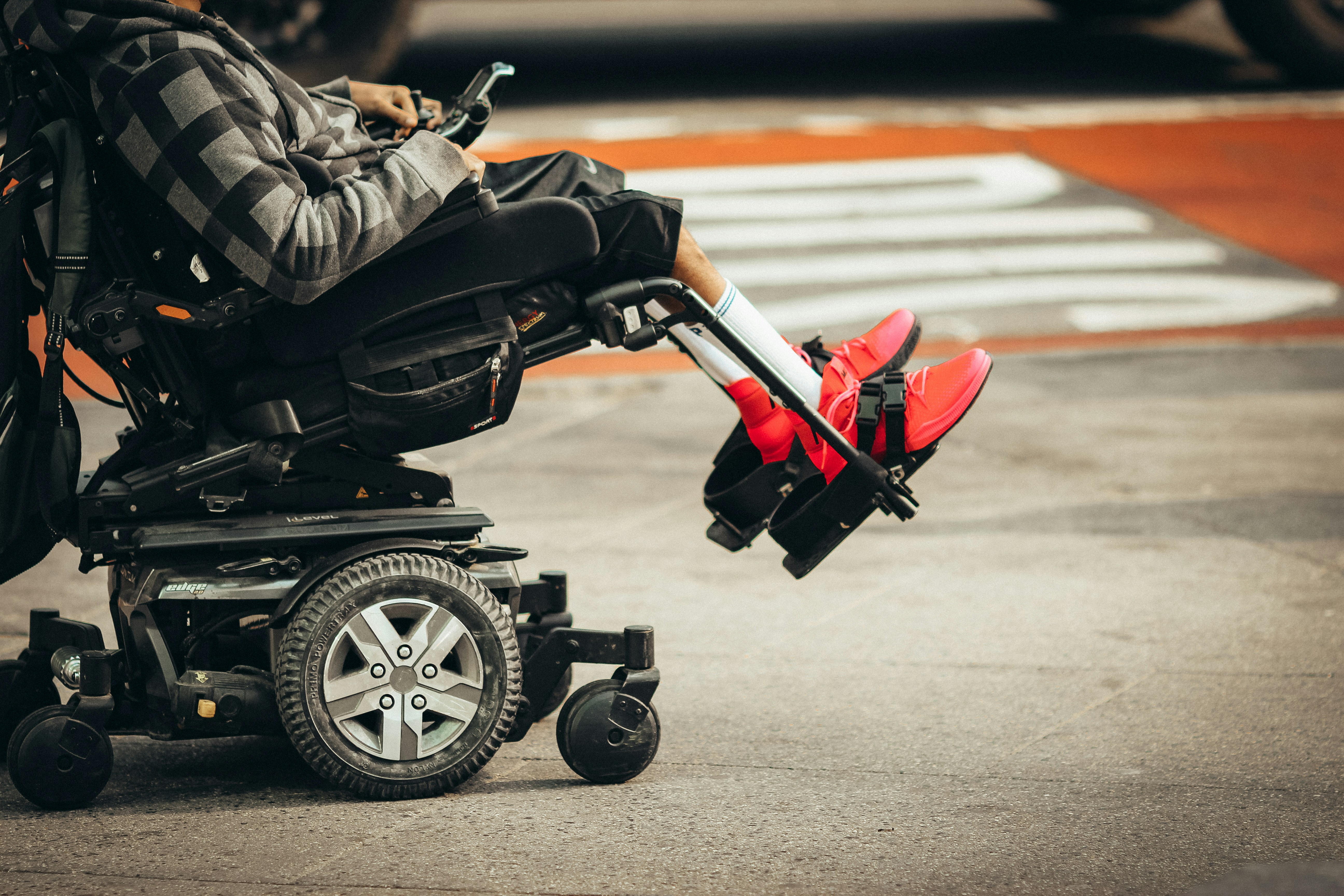
Au-dela du transport : profondeur, soutien lateral, propulsion et hauteur de transfert comptent.
Credit photo: EnabledHub archive
Largeur/profondeur
Pression et posture
Transport et stockage
Ce que cette famille cherche vraiment a resoudre
Les fauteuils roulants et produits d'assise sont trop souvent choisis uniquement sous l'angle du transport. En pratique, ils influencent la posture, les pressions, la fatigue, la participation, la manutention par l'aidant et le temps pendant lequel une personne reste confortable et en securite.
Un meilleur cadre consiste a demander ce que cette installation doit soutenir sur toute la journee, pas seulement comment elle traverse un couloir.
- Pensez systeme de soutien d'abord, transport ensuite
- La posture et les pressions comptent autant que la mobilite
- Les objectifs de participation doivent guider la configuration
Que verifier avant de comparer
Commencez par la largeur et la profondeur d'assise, le soutien du dos, les besoins de pression et la facon dont la personne entre et sort du siege. Verifiez ensuite les contraintes de transport, de rangement, de levage pour l'aidant et l'usage en interieur ou en exterieur.
De mauvais choix de fauteuil surviennent souvent quand la commodite de transport passe avant la posture, l'ajustement ou la compatibilite avec les transferts.
- Dimensions d'assise et soutien postural
- Besoins de gestion des pressions
- Hauteur de transfert et compatibilite avec les trajets
- Transport en voiture et contraintes de rangement
Pistes typiques en fauteuil et assise
Certaines configurations sont legeres et orientees transport, tandis que d'autres privilegient le soutien, la stabilite et le confort sur une plus longue duree. Les accessoires d'assise et surfaces de soutien peuvent aussi changer l'efficacite de l'ensemble.
La bonne piste depend de la priorite principale: independance, confort, posture, fatigue ou manutention par l'aidant.
- Fauteuils plus faciles a transporter pour des usages simples et courts
- Configurations plus soutenantes pour la posture et la participation durable
- Systemes configures ou les surfaces de soutien comptent autant que la base
Quand il faut revoir la voie choisie
Si le fauteuil fonctionne pour le transport mais pas pour la posture, si les transferts restent dangereux ou si la gestion des pressions est insuffisante, la solution n'est pas complete.
Une installation qui semble pratique sur le papier peut echouer dans la vraie routine si elle ne soutient pas confort, ajustement et constance du proche aidant.
- Le succes de transport ne suffit pas comme seul indicateur
- Reevaluez si la posture change ou si les objectifs de participation s'elargissent
- Traitez pressions et positionnement comme des criteres de base