- **Current equipment needs** — what the child requires right now
- **Replacement schedules** — how often each piece of equipment will need to be replaced due to growth, wear, or changing function
- **Anticipated new needs** — equipment that will become necessary as the child ages and encounters new environments and expectations
- **Associated costs** — estimated prices for equipment, modifications, repairs, and accessories over time
- Manual or power wheelchair (replace every 3–5 years for growing children)
- Gait trainer (size upgrades as the child grows)
Connaissance
Pediatric Life Care Planning: Choosing Equipment That Grows with Your Child
A child with a disability doesn't need equipment for today — they need equipment for every stage of their development.
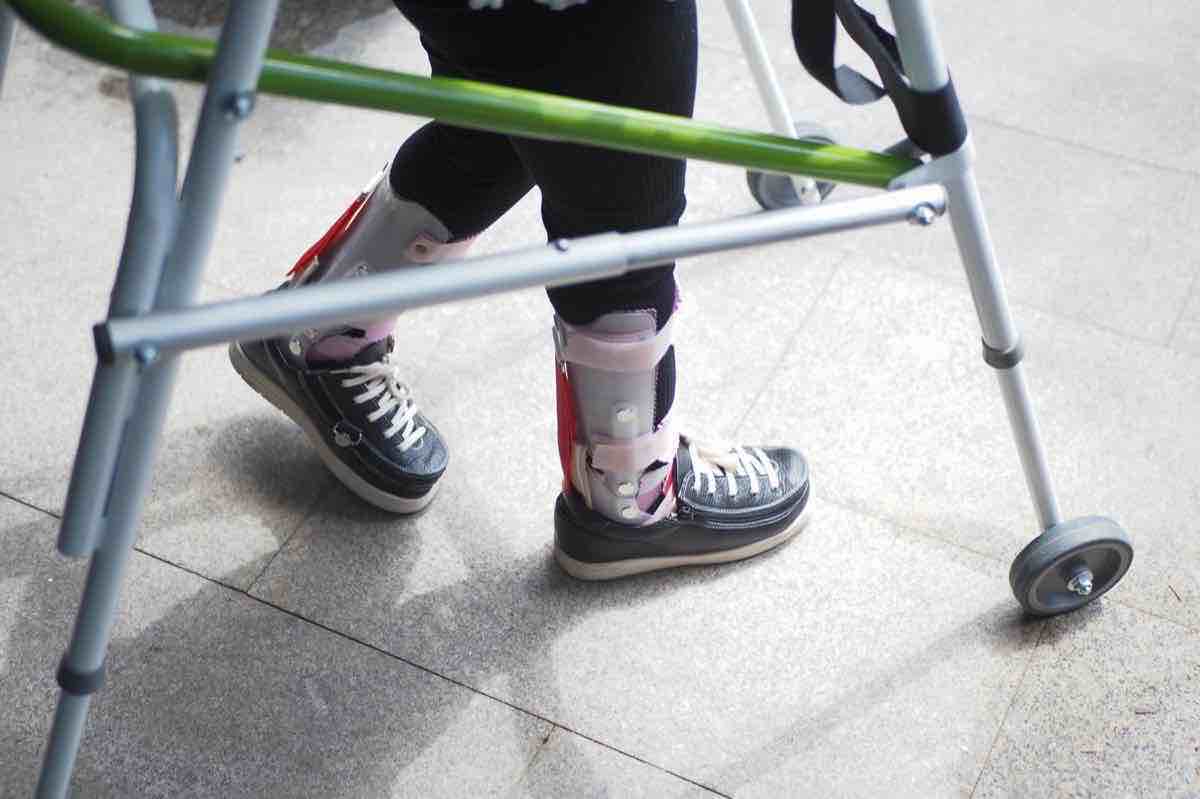
Credit photo: EnabledHub archive
Points cles
**Current equipment needs** — what the child requires right now
**Replacement schedules** — how often each piece of equipment will need to be replaced due to growth, wear, or changing function
**Anticipated new needs** — equipment that will become necessary as the child ages and encounters new environments and expectations
Sur cette page
Checklist rapide pour aidant
Utilisez cette liste comme reference rapide avant chaque routine de soins.
What Is a Life Care Plan?
A life care plan is a comprehensive document that outlines the anticipated medical, therapeutic, and equipment needs of a person with a disability across their lifespan. For children, this plan accounts for growth, developmental changes, and the evolving demands of school, home, and community life.
Equipment planning is a major component. It includes:
- **Current equipment needs** — what the child requires right now
- **Replacement schedules** — how often each piece of equipment will need to be replaced due to growth, wear, or changing function
- **Anticipated new needs** — equipment that will become necessary as the child ages and encounters new environments and expectations
- **Associated costs** — estimated prices for equipment, modifications, repairs, and accessories over time
Planning for Growth
Children grow. Equipment doesn't. This fundamental mismatch means that pediatric equipment decisions must consider not just current fit but future needs:
**Choose adjustable equipment when possible.** Standing frames, activity chairs, and walkers with wide adjustment ranges accommodate years of growth, reducing the frequency of full replacements.
**Anticipate transitions.** A child entering school will need classroom-specific equipment. A teenager transitioning to adult services will need equipment sized for an adult body. A young adult entering employment will need tools for the workplace.
**Build in technology upgrades.** Communication devices and computer access tools evolve rapidly. Budget for software updates, hardware replacements, and transitions to new platforms.
Key Equipment Categories to Plan For
Mobility
Positioning
Daily Living
Communication and Access
Orthotics
- Manual or power wheelchair (replace every 3–5 years for growing children)
- Gait trainer (size upgrades as the child grows)
- Adaptive stroller for community mobility (may transition to a wheelchair)
- Vehicle modifications for transportation
- Seating systems (wheelchair, classroom, home)
- Standing frames (size progression from pediatric to adult)
- Floor seating and positioning equipment
- Sleep positioning systems
- Bathing and toileting equipment
- Feeding equipment and adaptive utensils
- Dressing aids
- Speech-generating devices
- Computer access tools (switches, eye gaze, adapted keyboards)
- Environmental controls
- Ankle-foot orthoses (replaced annually or more frequently during growth spurts)
- Spinal orthotics
- Hand splints
Working with the Team
Effective life care planning requires input from:
- **The pediatrician or physiatrist** — oversees medical management and predicts health trajectory
- **Physical and occupational therapists** — assess functional needs and recommend specific equipment
- **Speech-language pathologist** — plans communication technology and feeding equipment
- **Equipment vendors** — provide pricing, availability, and specification details
- **The family** — offers insight into daily routines, priorities, and environmental factors
- **The child** — provides preferences and feedback (always include them when developmentally appropriate)
Funding the Long Game
Life care plans are essential for funding negotiations. When insurance companies or school districts see a comprehensive plan showing anticipated needs over 5, 10, or 20 years, they're more likely to approve current requests because the plan demonstrates clinical rationale and long-term thinking.
For families involved in legal proceedings — such as birth injury cases or personal injury claims — a life care plan is the primary document used to quantify future equipment and care costs.
Revisiting the Plan
A life care plan isn't a one-time document. It should be reviewed and updated at least annually, with major revisions at key transition points: entering school, changing schools, entering adolescence, transitioning to adult services, and entering employment or independent living.
The best equipment decisions today are the ones that account for who the child will be tomorrow.
Blog
Lire la base de connaissances