Outils d'accessibiliteAjuster lisibilite et mouvement

Connaissance

TRAM Setup in Real Rooms: Bedside, Toilet, and Activity Routes

How to evaluate TRAM setup against real turning space, transfer sequence, and caregiver workflow instead of idealized showroom use.

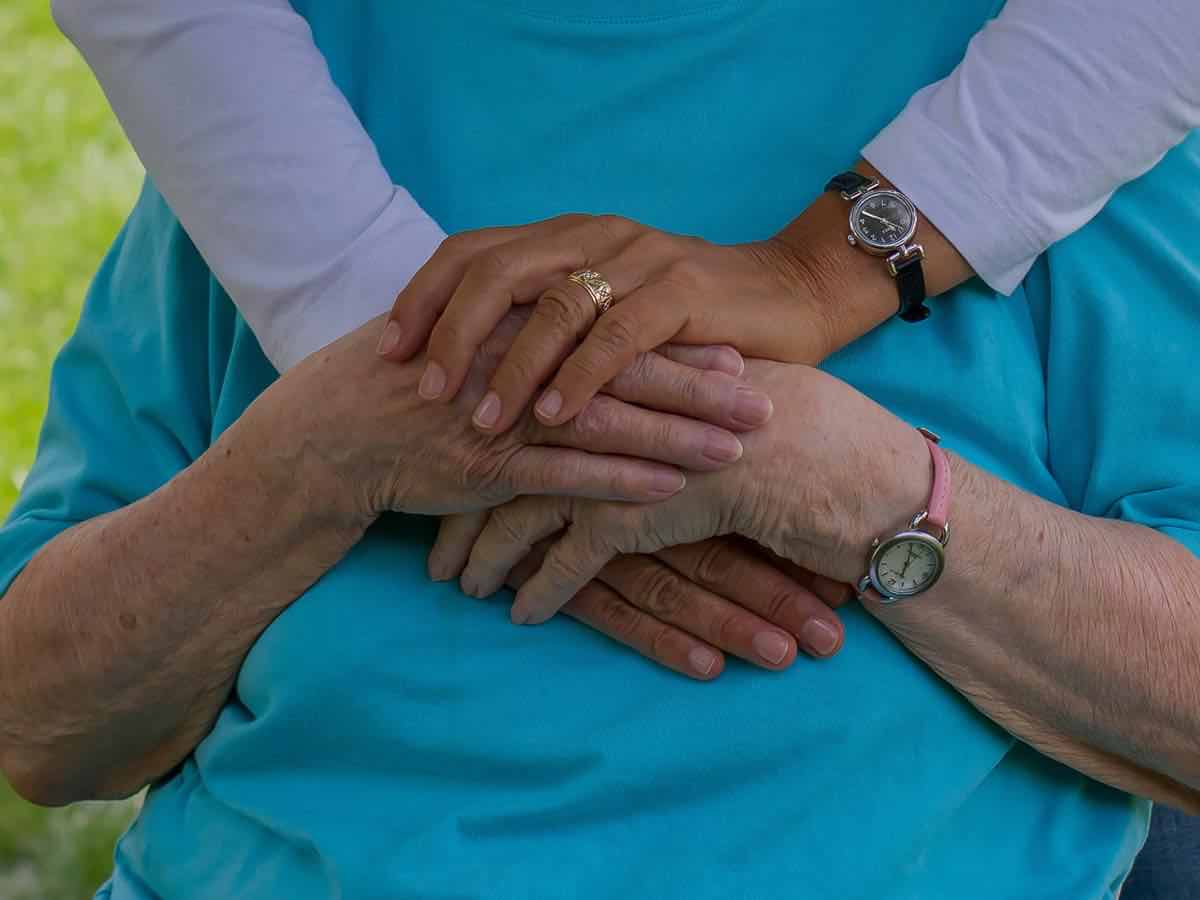
Caregiver hands helping with support

Credit photo: EnabledHub archive

Cette article est actuellement disponible en anglais. Nous preparons la traduction en Francais.

16 avr. 20264 min

Points cles

Discovery source: eSpecial Needs TRAM and transfer-assist search used for product discovery only.

Approved manufacturer and manual support reviewed: TRAM Quick Reference Guide; TRAM Positioning Checklist; Rifton TRAM Product Manual; Rifton TRAM Funding Guide; homecare sample letter of medical necessity.

Key source URLs reviewed: https://www.rifton.com/pdfviewer?url=%2f-%2fmedia%2ffiles%2frifton%2fproduct-manuals%2ftram-hl99.pdf and https://www.rifton.com/pdfviewer?url=%2f-%2fmedia%2ffiles%2frifton%2fproduct-information%2frifton-tram-positioning-checklist.pdf.

Sur cette page

Checklist rapide pour aidant

Utilisez cette liste comme reference rapide avant chaque routine de soins.

  • Discovery source: eSpecial Needs TRAM and transfer-assist search used for product discovery only.
  • Approved manufacturer and manual support reviewed: TRAM Quick Reference Guide; TRAM Positioning Checklist; Rifton TRAM Product Manual; Rifton TRAM Funding Guide; homecare sample letter of medical necessity.
  • Key source URLs reviewed: https://www.rifton.com/pdfviewer?url=%2f-%2fmedia%2ffiles%2frifton%2fproduct-manuals%2ftram-hl99.pdf and https://www.rifton.com/pdfviewer?url=%2f-%2fmedia%2ffiles%2frifton%2fproduct-information%2frifton-tram-positioning-checklist.pdf.
  • Image rights: EnabledHub archive, EnabledHub internal editorial archive, cleared from approved local metadata for /images/editorial/caregiver-hands.jpg.
  • Review flag: Medical-safety review required because transfer guidance is highly setup-specific and room-dependent.

What it is good for

A TRAM-type system is useful for routines that combine sit-to-stand support, short-distance movement, and caregiver protection. Its value appears when the route has been mapped clearly and the device actually reduces improvised lifting instead of adding another awkward step.

    Who it suits best

    It tends to suit users who can participate to some degree in standing or transfer tasks and caregivers who face repeated high-strain transfers during the day. It is a weaker fit when room constraints force awkward approach angles or when the team hopes the device will replace a real transfer plan.

      How to choose it well

      The chooser lens should stay rooted in room realities: bed clearance, toilet approach, doorway width, turning radius, and where the device waits between moves. If the route does not work in the actual room, brochure-level advantages do not matter. Practicality is part of safety here.

        Setup or sizing considerations

        Good setup usually starts with the support and sling interface, then base width, then knee and body alignment, and finally a verbal sequence everyone can repeat. After the move, check comfort, skin status, and whether manual lifting quietly returned despite the equipment being present.

          What to check in the first week

          The first week should show whether the device simplifies the route or whether staff are still inventing workarounds around the bed, toilet, or seating area.

            Questions to settle before ordering

            Before the route is approved, the team should settle which rooms matter most, where the device waits between moves, and how the sequence changes for bed, toilet, and activity seating. A transfer aid that only works in the abstract is not really fitted.

              When to pause and reassess

              Pause and reassess if the approach angle keeps failing, if furniture has to be moved every time, or if staff quietly reintroduce manual lifting to complete the transfer.

                Key cautions

                Transfer-assist content is high sensitivity because readers may generalize from one successful move to every room and every caregiver. If the system clips furniture, cannot approach the toilet cleanly, or requires repeated improvisation, the draft should push readers back toward reassessment. Editorial safety review remains necessary. It is also useful to test the sequence at the pace of an ordinary day rather than during a careful demonstration, because time pressure is often where hidden route and staffing problems become obvious.

                  Source Attribution Notes

                  • Discovery source: eSpecial Needs TRAM and transfer-assist search used for product discovery only.
                  • Approved manufacturer and manual support reviewed: TRAM Quick Reference Guide; TRAM Positioning Checklist; Rifton TRAM Product Manual; Rifton TRAM Funding Guide; homecare sample letter of medical necessity.
                  • Key source URLs reviewed: https://www.rifton.com/pdfviewer?url=%2f-%2fmedia%2ffiles%2frifton%2fproduct-manuals%2ftram-hl99.pdf and https://www.rifton.com/pdfviewer?url=%2f-%2fmedia%2ffiles%2frifton%2fproduct-information%2frifton-tram-positioning-checklist.pdf.
                  • Image rights: EnabledHub archive, EnabledHub internal editorial archive, cleared from approved local metadata for /images/editorial/caregiver-hands.jpg.
                  • Review flag: Medical-safety review required because transfer guidance is highly setup-specific and room-dependent.

                  Blog

                  Lire la base de connaissances