Outils d'accessibiliteAjuster lisibilite et mouvement

Connaissance

When a Mobile Stander Outperforms Static Standing Options

A comparison draft on when mobile standing adds meaningful value and when a static setup may still be the better choice.

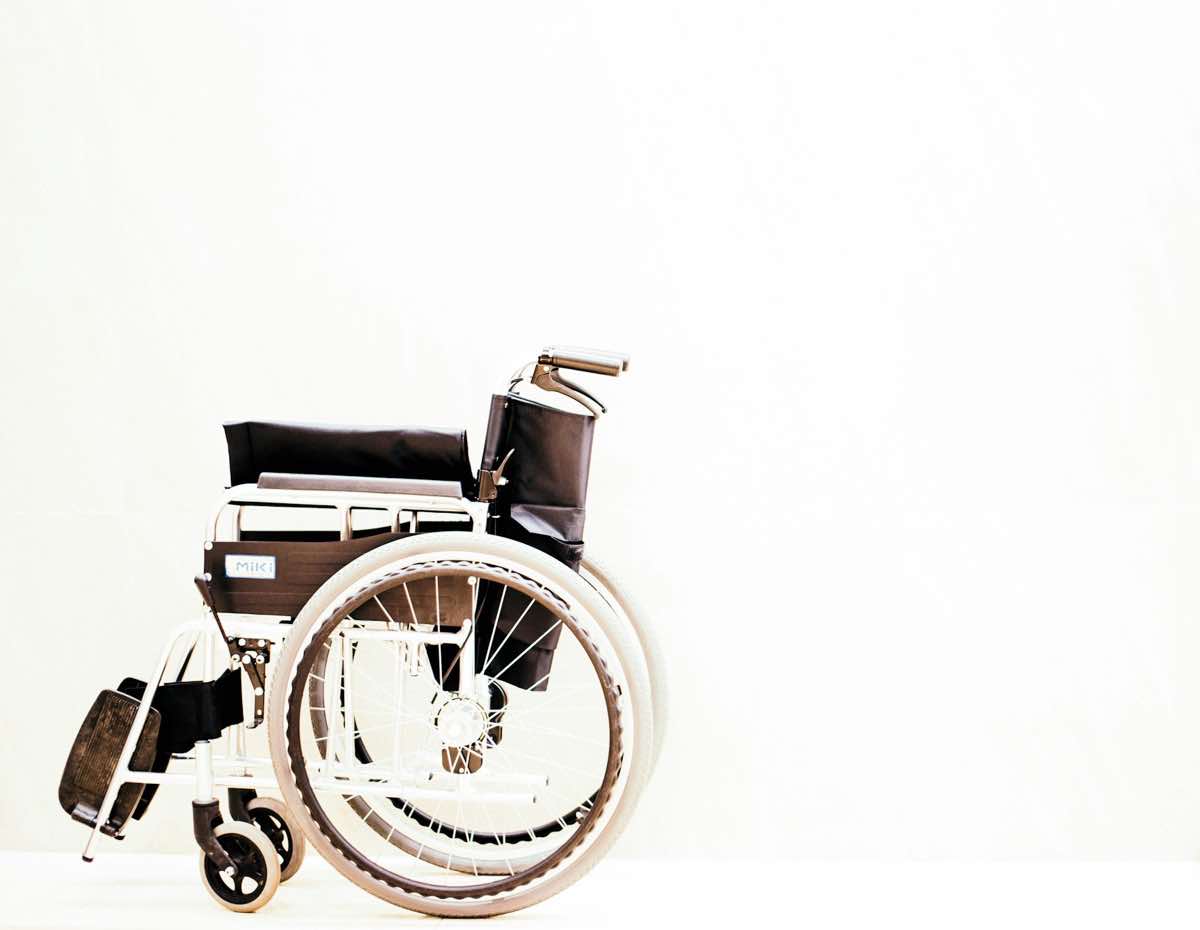
Child using a walker with orthotic support

Credit photo: EnabledHub archive

Cette article est actuellement disponible en anglais. Nous preparons la traduction en Francais.

16 avr. 20264 min

Points cles

Discovery source: eSpecial Needs mobile stander search used for demand discovery only.

Approved manufacturer and manual support reviewed: Mobile Stander Resources; Mobile Stander Positioning Checklist; Mobile Standers Product Manual; Mobile Stander Letter of Medical Necessity.

Key source URLs reviewed: https://www.rifton.com/education-center/articles/mobile-stander-resources and https://www.rifton.com/pdfviewer?url=%2f-%2fmedia%2ffiles%2frifton%2fproduct-manuals%2fmobile-stander-vj47.pdf.

Sur cette page

Checklist rapide pour aidant

Utilisez cette liste comme reference rapide avant chaque routine de soins.

  • Discovery source: eSpecial Needs mobile stander search used for demand discovery only.
  • Approved manufacturer and manual support reviewed: Mobile Stander Resources; Mobile Stander Positioning Checklist; Mobile Standers Product Manual; Mobile Stander Letter of Medical Necessity.
  • Key source URLs reviewed: https://www.rifton.com/education-center/articles/mobile-stander-resources and https://www.rifton.com/pdfviewer?url=%2f-%2fmedia%2ffiles%2frifton%2fproduct-manuals%2fmobile-stander-vj47.pdf.
  • Image rights: EnabledHub archive, EnabledHub internal editorial archive, cleared from approved local metadata for /images/editorial/child-walker-afo-braces.jpg.
  • Review flag: Medical-safety review required because standing-plus-mobility guidance is highly user-specific.

What it is good for

A mobile stander is useful when the goal is not only upright support but movement, route-based participation, or access to surfaces in different parts of a room. In those cases, mobility can add real value that a static frame cannot provide.

    Who it suits best

    It tends to suit users who benefit from supported standing and also have enough control or motivation to use movement in a purposeful way. It is less suitable when the best routine happens in one spot or when the environment introduces too many thresholds, turns, or supervision demands.

      How to choose it well

      The choosing question is simple: does movement in standing solve an actual problem? If the answer is yes, the mobile category deserves a closer look. If not, a static option may be safer and easier to maintain. Route fit, propulsion potential, braking habits, and turning radius all matter as much as body support.

        Setup or sizing considerations

        Sizing still matters, but route validation matters just as much. Check control reach, base behavior on the real flooring, support placement during movement, and whether the user stays organized while turning. A device should be evaluated on the path it will travel, not only in an open room.

          What to check in the first week

          The first week should reveal whether movement expands participation or simply adds caregiver correction. If the route only works when someone constantly intervenes, the fit or the category may be wrong.

            Questions to settle before ordering

            Before preferring the mobile category, the team should settle whether movement really adds task value, which route will be used most often, and who will supervise transitions. Those answers keep the comparison anchored to real participation rather than novelty.

              When to pause and reassess

              Pause and reassess if the user stays upright only with continuous correction, if thresholds repeatedly interrupt the route, or if mobility adds fatigue without expanding participation.

                Key cautions

                Mobile standing adds collision, fatigue, and route-management risks that static standing does not create in the same way. Editorial copy should not present movement as progress by default. This draft needs safety review because the right balance between support and independence depends on the individual user and environment. It is also worth checking whether the user can reach the surfaces that matter most, such as desks, shelves, or activity stations, because route access without functional access rarely justifies the added complexity of a mobile frame.

                  Source Attribution Notes

                  • Discovery source: eSpecial Needs mobile stander search used for demand discovery only.
                  • Approved manufacturer and manual support reviewed: Mobile Stander Resources; Mobile Stander Positioning Checklist; Mobile Standers Product Manual; Mobile Stander Letter of Medical Necessity.
                  • Key source URLs reviewed: https://www.rifton.com/education-center/articles/mobile-stander-resources and https://www.rifton.com/pdfviewer?url=%2f-%2fmedia%2ffiles%2frifton%2fproduct-manuals%2fmobile-stander-vj47.pdf.
                  • Image rights: EnabledHub archive, EnabledHub internal editorial archive, cleared from approved local metadata for /images/editorial/child-walker-afo-braces.jpg.
                  • Review flag: Medical-safety review required because standing-plus-mobility guidance is highly user-specific.

                  Blog

                  Lire la base de connaissances