- "Hip guides (Item #12345) are required to maintain pelvic alignment due to bilateral hip adductor spasticity"
- "Tilt-in-space mechanism is needed to manage orthostatic hypotension and provide pressure relief for an individual who cannot independently shift weight"
- **Without:** "Currently unable to attend a full school day due to pain and fatigue from unsupported sitting in a standard classroom chair"
- **With:** "Activity chair with trunk supports and tilt adjustment will enable full-day school attendance and participation in classroom instruction"
- **Too vague** — general statements without specific measurements, frequencies, or functional descriptions
- **Missing diagnosis codes** — insurance requires ICD-10 codes that justify the medical need
Connaissance
Writing Effective Letters of Medical and Educational Necessity: The Key to Equipment Funding
The best piece of adaptive equipment in the world is useless if it never gets approved.
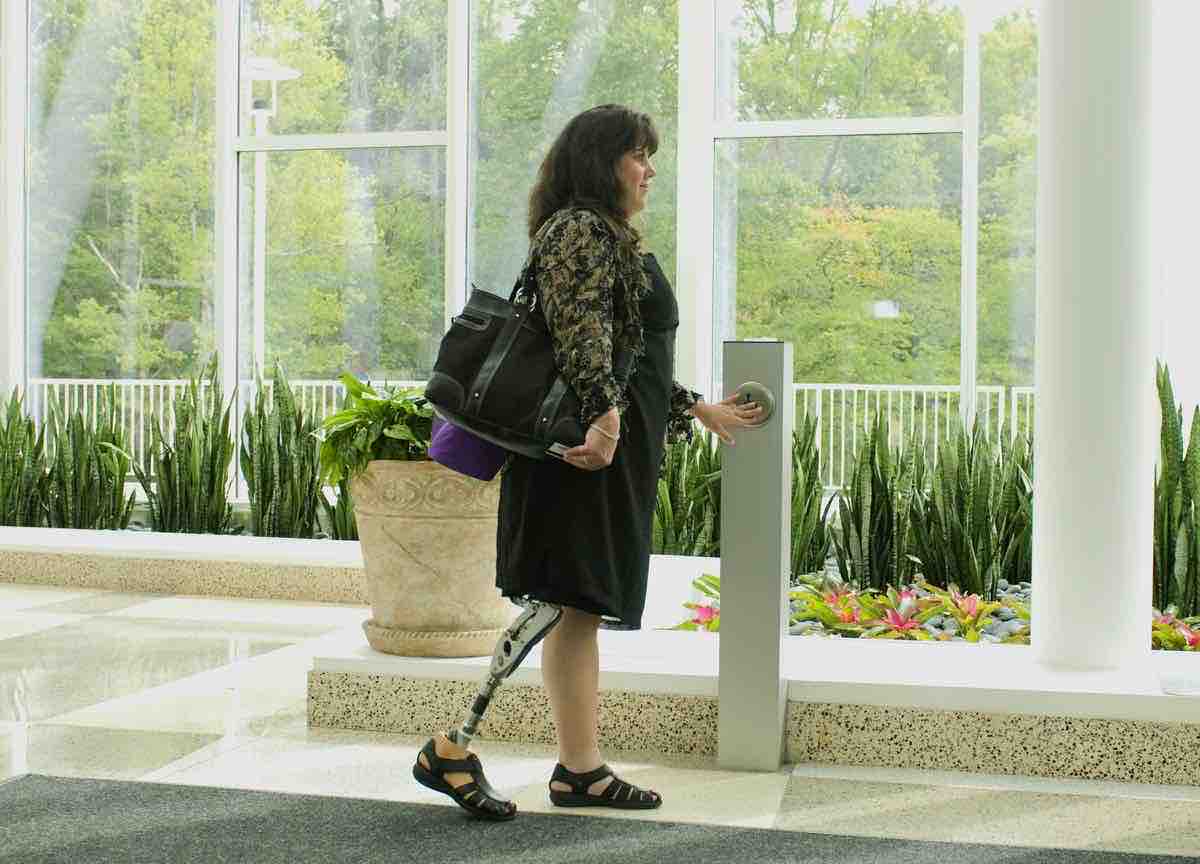
Credit photo: EnabledHub archive
Points cles
"Hip guides (Item #12345) are required to maintain pelvic alignment due to bilateral hip adductor spasticity"
"Tilt-in-space mechanism is needed to manage orthostatic hypotension and provide pressure relief for an individual who cannot independently shift weight"
**Without:** "Currently unable to attend a full school day due to pain and fatigue from unsupported sitting in a standard classroom chair"
Sur cette page
Checklist rapide pour aidant
Utilisez cette liste comme reference rapide avant chaque routine de soins.
Two Types of Letters
**Letters of Medical Necessity (LMN)** are submitted to insurance companies, Medicaid, and Medicare. They justify equipment based on medical need and clinical outcomes.
**Letters of Educational Necessity (LOEN)** are submitted to school districts under IDEA. They justify equipment based on its role in supporting the student's access to education and progress toward IEP goals.
The structure and principles are similar, but the audience and justification framework differ. Medical letters focus on health, safety, and functional independence. Educational letters focus on academic access, participation, and educational outcomes.
Anatomy of a Strong Letter
Opening: Identify the Person and the Need Start with the individual's name, age, diagnosis, and a brief summary of their functional status. Establish who they are and why they're being evaluated for equipment.
Clinical Description: Paint the Picture Describe the person's current abilities and limitations in specific, measurable terms. Avoid vague statements like "has difficulty walking." Instead, write specifics: "ambulates less than 50 feet with a posterior walker before requiring a seated rest of 5 or more minutes due to lower extremity fatigue and impaired balance."
Insurance reviewers and school administrators need concrete details to justify approval.
Equipment Recommendation: Be Specific Name the exact equipment being requested, including manufacturer, model, and all accessories. Explain each component and why it's needed:
Generic requests ("needs a wheelchair") get denied. Specific, justified requests ("needs a tilt-in-space manual wheelchair with a 16-inch seat width, tension-adjustable back, swing-away leg rests, and anti-tip casters") get approved.
Functional Justification: Connect Equipment to Outcomes This is the most important section. Explain what the person cannot do without the equipment and what they will be able to do with it:
For medical letters, connect to health outcomes: prevention of pressure ulcers, maintenance of joint integrity, respiratory support, fall prevention.
For educational letters, connect to IEP goals: access to instruction, participation in classroom activities, peer interaction, independent function in the school environment.
Supporting Evidence Reference published research, clinical practice guidelines, or professional standards that support your recommendation. A citation showing that standing frames prevent hip displacement in children with cerebral palsy strengthens a standing frame request considerably.
Alternatives Considered Briefly note what other options were evaluated and why they were insufficient. This preempts the common denial reason of "a less expensive alternative is available."
Closing State your professional credentials, your relationship to the individual, and your availability for follow-up questions.
- "Hip guides (Item #12345) are required to maintain pelvic alignment due to bilateral hip adductor spasticity"
- "Tilt-in-space mechanism is needed to manage orthostatic hypotension and provide pressure relief for an individual who cannot independently shift weight"
- **Without:** "Currently unable to attend a full school day due to pain and fatigue from unsupported sitting in a standard classroom chair"
- **With:** "Activity chair with trunk supports and tilt adjustment will enable full-day school attendance and participation in classroom instruction"
Common Mistakes That Lead to Denials
- **Too vague** — general statements without specific measurements, frequencies, or functional descriptions
- **Missing diagnosis codes** — insurance requires ICD-10 codes that justify the medical need
- **Wrong equipment codes** — HCPCS codes must match the specific items being requested
- **No functional connection** — listing diagnoses and equipment without explaining how the equipment addresses the functional limitations
- **Copy-paste templates** — reviewers can tell when a letter was written generically rather than for a specific individual
- **Missing physician signature** — most insurance companies require a physician's order in addition to the therapist's letter
After Submission
Track every submission. Note the date sent, who it was sent to, and when a response is expected. If denied, request the denial in writing, identify the specific reason, and address it directly in your appeal.
Most denials can be overturned with stronger documentation. The first denial is rarely the final answer — it's the beginning of a conversation.
The Bigger Picture
A letter of necessity isn't just paperwork. It's an advocacy document that translates a person's daily struggles into language that funding sources understand. Writing it well is a clinical skill that directly impacts whether a person gets the equipment they need to live, learn, and participate.
Every minute spent writing a strong letter of necessity is a minute invested in someone's independence.
Blog
Lire la base de connaissances