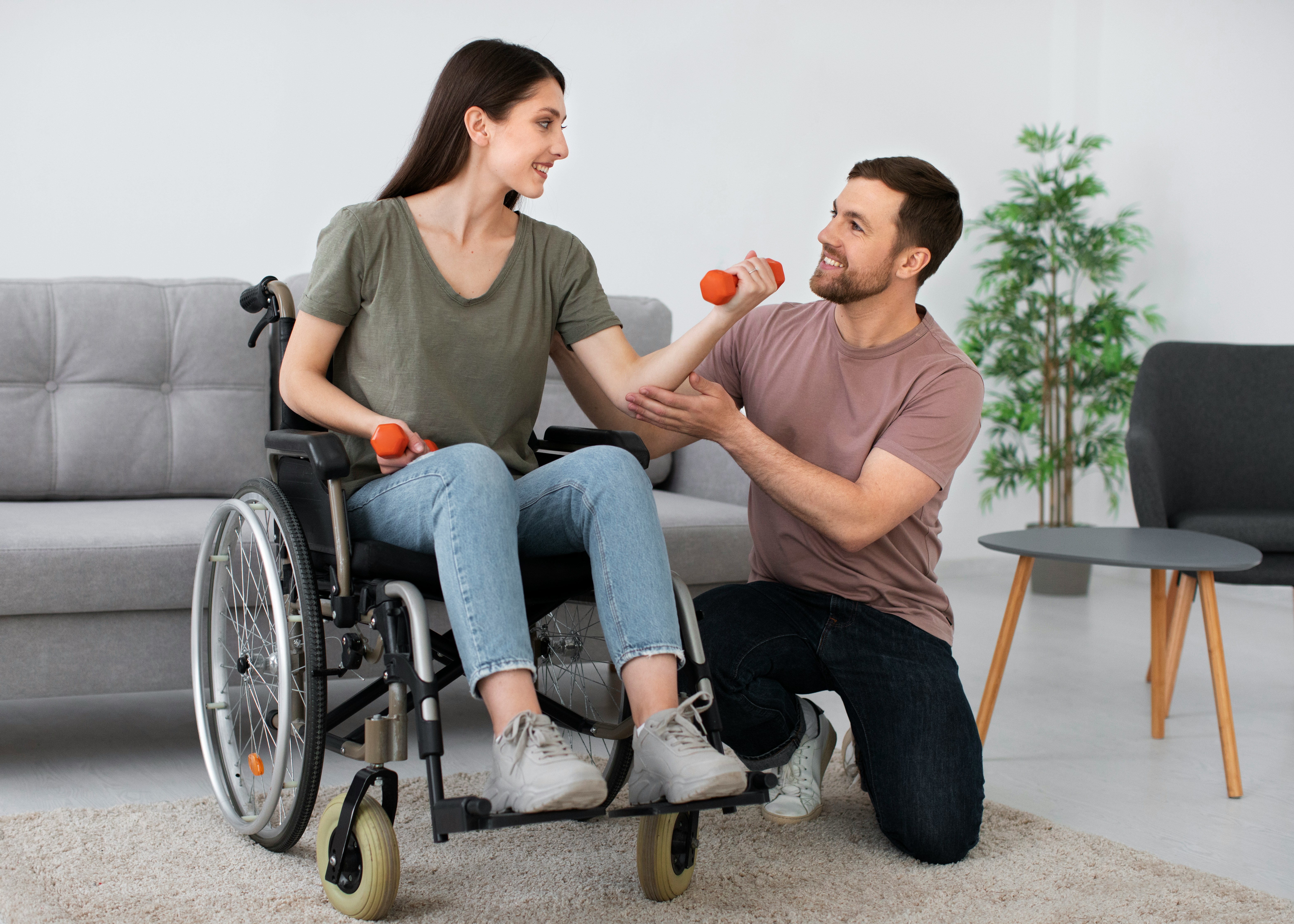
Writing Medical Necessity for Hygiene and Toileting Support Systems
Practical guidance for hygiene and toileting systems: what it is good for, how to select it, how to adjust it, and how to size it safely.
Artikel lesenBildnachweis: Care Assure
Blog
Praxisnahe Leitfaden fuer sicherere Routinen, schnellere Einrichtung und bessere Konstanz im Alltag.
Seite 2/6 - 20 blog.
Practical guidance for hygiene and toileting systems: what it is good for, how to select it, how to adjust it, and how to size it safely.
Artikel lesenBildnachweis: Care Assure

Practical guidance for hygiene and toileting systems: what it is good for, how to select it, how to adjust it, and how to size it safely.
Artikel lesenBildnachweis: Annie Spratt

Practical guidance for hygiene and toileting systems: what it is good for, how to select it, how to adjust it, and how to size it safely.
Artikel lesenBildnachweis: Alireza Attari

Practical guidance for hygiene and toileting systems: what it is good for, how to select it, how to adjust it, and how to size it safely.
Artikel lesenBildnachweis: EnabledHub archive

Most homes accumulate adaptive equipment by accident. A hospital discharge sends a walker home. A cousin donates an old commode. A well-meaning friend drops off a reacher. Over time, the closet fills with items nobody is quite sure how to use. A better approach is to build an inventory on purpose — a short, deliberate list of equipment that matches the specific person and the specific home. This guide walks through the categories a well-prepared household should consider.
Artikel lesen
Approximately one in three pieces of assistive technology is abandoned within the first year of use. That figure has been replicated across multiple countries, device categories, and user populations. It represents not only wasted money — often public money — but a significant harm to the people who needed the device, tried it, and quietly gave up. Understanding why abandonment happens is the first step to preventing it.
Artikel lesen
Assistive technology is any tool, device, or piece of software that helps someone do a task they would otherwise struggle with. The category is enormous — from a three-dollar jar opener to a twenty-thousand-dollar powered wheelchair — and that breadth is exactly what makes it confusing. The clearest way to think about assistive technology is not by product category but by daily routine. Walk through a typical day, find the moments that are harder than they should be, and you will find the right tools quickly.
Artikel lesen
Getting the right piece of assistive technology is not a shopping decision — it is an assessment process. The distinction matters. Shopping starts with products. Assessment starts with the person, their goals, and the contexts where they live. Federici and Scherer's Assistive Technology Assessment (ATA) model, developed through international clinical and research collaboration, organizes this process into four clear steps. Families and users who understand these steps are far better equipped to navigate the system.
Artikel lesen
When families enter the rehabilitation and assistive technology system, they often carry a purely medical framing of disability: diagnosis causes impairment, impairment causes limitation, and the goal is to fix or compensate for the impairment. That framing shapes what questions get asked, what interventions get tried, and what counts as success. But it is not how contemporary rehabilitation science actually understands disability — and understanding the difference leads to better decisions.
Artikel lesen
Picking the right adaptive equipment is rarely about finding the \"best\" product on a list. It is about matching a specific person, a specific task, and a specific environment. The same rollator that transforms one person's independence can end up folded in a closet for someone else. Before you buy, rent, or borrow, work through the factors below — they are the same ones occupational therapists use in clinical decision making.
Artikel lesen
For most of the twentieth century, disability was treated as a fact about a person's body. You had a diagnosis, the diagnosis created the limitation, and the job of medicine was to fix or compensate for that limitation. That view still shapes how many insurance codes, benefit forms, and clinical conversations are written. But it is no longer how the field itself thinks about disability, and understanding the shift is essential for anyone choosing assistive technology.
Artikel lesen
When families start shopping for assistive technology, the default question is \"which product is best?\" That is almost always the wrong first question. Clinicians who work in this field every day use a different starting point — a framework called the Human Activity Assistive Technology model, or HAAT. It was introduced by Albert Cook and Susan Hussey in the mid-1990s and has become one of the most widely used tools for matching people to equipment. Understanding it in plain language can transform how a family makes decisions.
Artikel lesen
When people talk about assistive technology, they almost always mean the device — the wheelchair, the communication tablet, the hearing aid, the grab bar. In the field, that is called **hard technology**: the tangible, physical thing you can touch, buy, and put on a shelf. But researchers Cook and Polgar draw a second category that matters just as much, and it is the one most families underfund. They call it **soft technology**.
Artikel lesen
When someone's mobility or function changes — whether from a new diagnosis, a hospital discharge, or the slow arithmetic of aging — the home often needs to change with them. The question families ask is nearly always the same: where do we even start? The answer is to go small before you go big, because most families over-build and under-train. A few correct purchases and a handful of adjustments usually cover eighty percent of the real problem.
Artikel lesen
The assistive technology field divides devices along a spectrum from mainstream to commercially available assistive to custom-made, and separately along a scale from low technology to high technology. Knowing where a device sits on both axes helps families make smarter purchases, because the marketing pressure is almost always toward the most complex, most expensive option — and that is very often the wrong choice.
Artikel lesen
Rehabilitation professionals have long known that selecting the technically correct device is not enough. Studies consistently show that approximately 30% of assistive devices are abandoned within the first year of use. The devices usually work. The problem is almost never the engineering. Marcia Scherer's Matching Person and Technology model — one of the most studied frameworks in the field — was built specifically to address the factors that functional assessments miss: the personal, motivational, and psychosocial ones.
Artikel lesen
A well-run assistive technology service looks nothing like a showroom or a catalog. It looks like a conversation. Cook and Polgar describe four service-delivery principles that consistently separate programs that deliver lasting results from those that ship devices and hope for the best. Families who recognize these four principles in a clinician or supplier can trust they are in good hands. Families who do not see them should keep looking.
Artikel lesen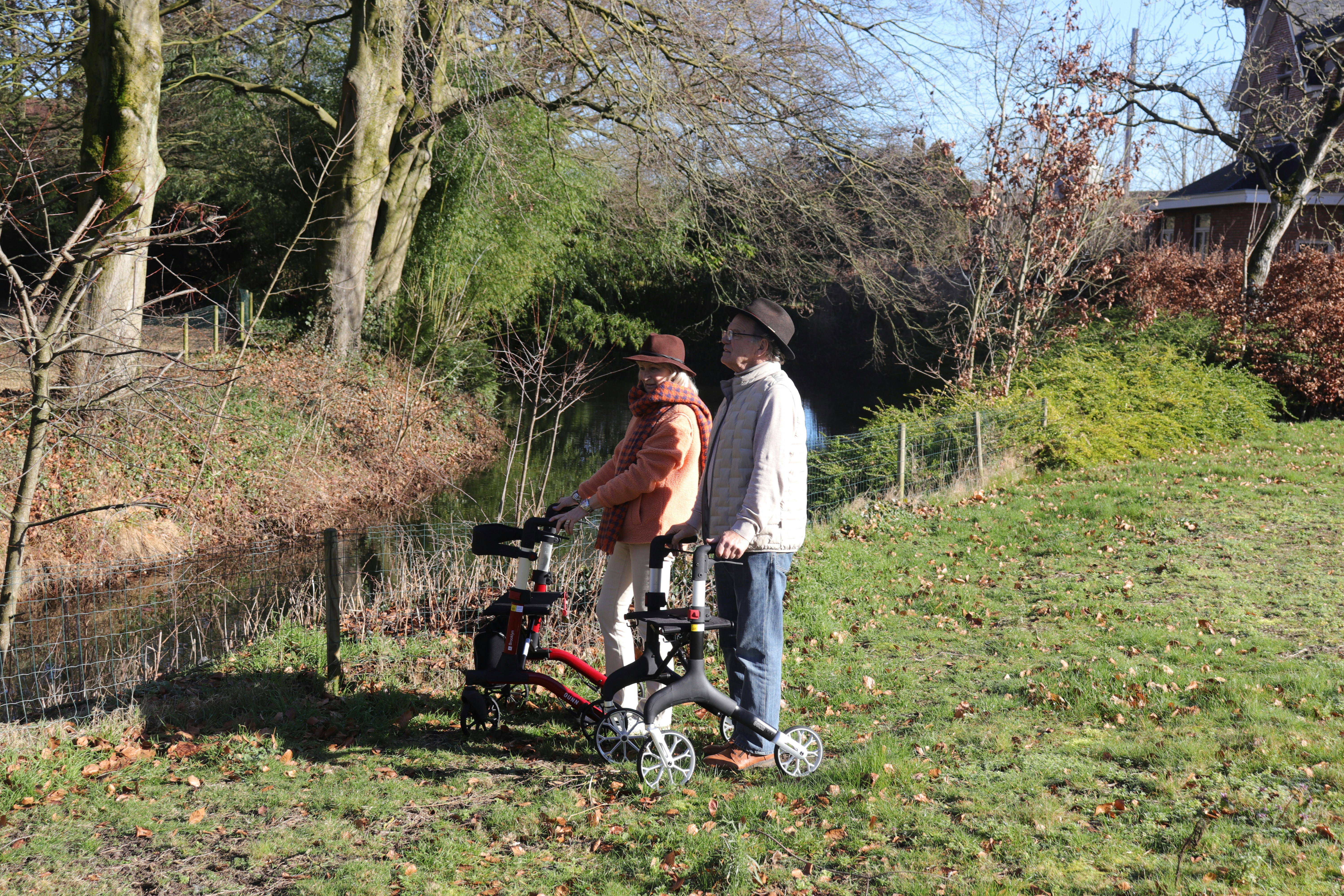
Falls are the leading cause of injury for older adults and a major setback for anyone recovering from stroke, hip replacement, or a neurological condition. The good news: most falls at home follow predictable patterns, and most of those patterns can be interrupted with simple changes. The goal is not to restrict movement — it is to make the movements people already want to make safer and more confident.
Artikel lesen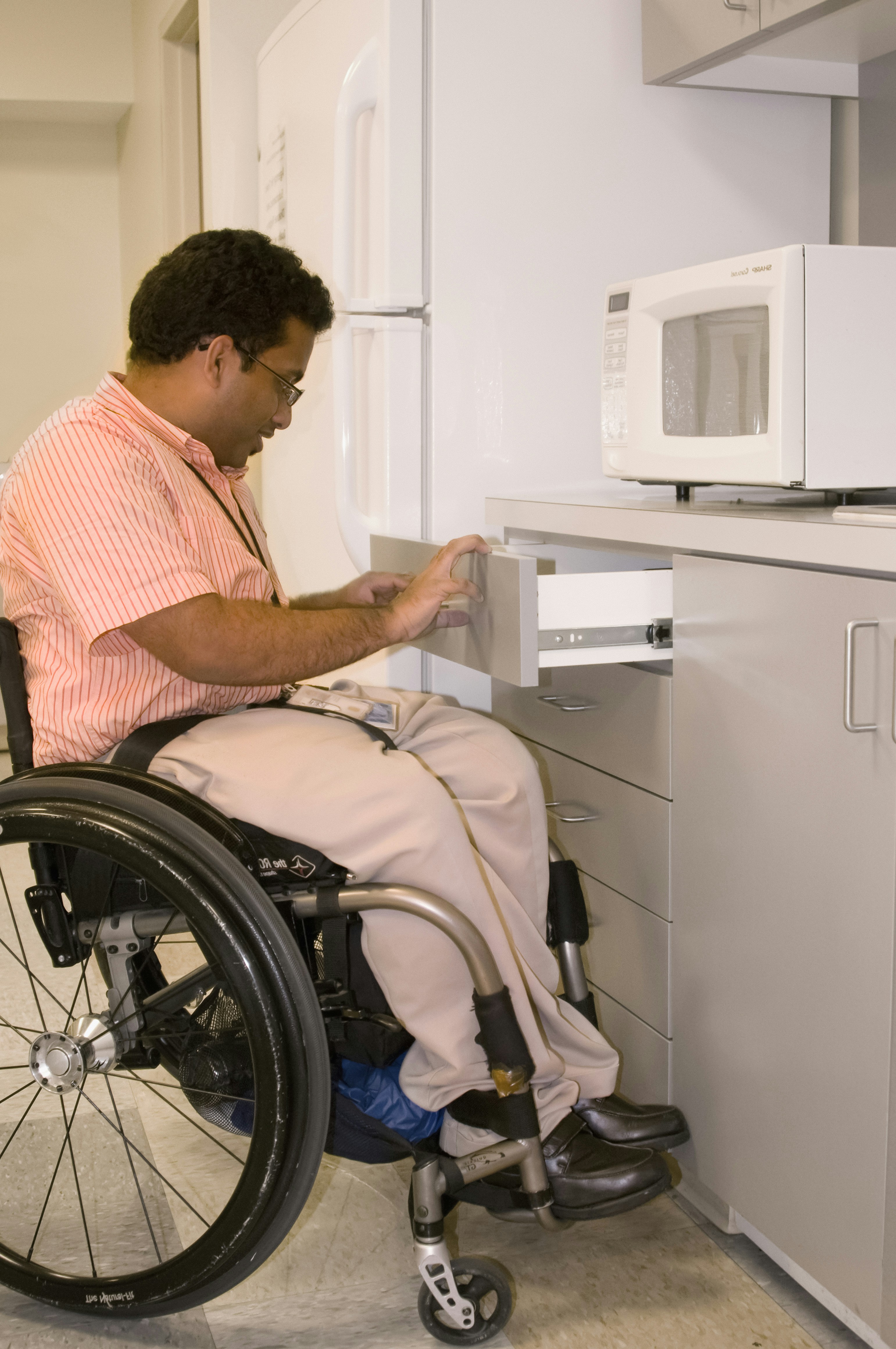
When assistive technology fails, the device itself is usually not the problem. Research in the field consistently identifies a more common culprit: a mismatch between the device and the environment where it is supposed to be used. Federici and Scherer's handbook devotes an entire chapter to environmental assessment precisely because the environment is one of the most powerful predictors of whether a device succeeds or is abandoned — and one of the factors most commonly overlooked in standard evaluations.
Artikel lesen
Practical guidance for hygiene and toileting systems: what it is good for, how to select it, how to adjust it, and how to size it safely.
Artikel lesenBildnachweis: EnabledHub archive